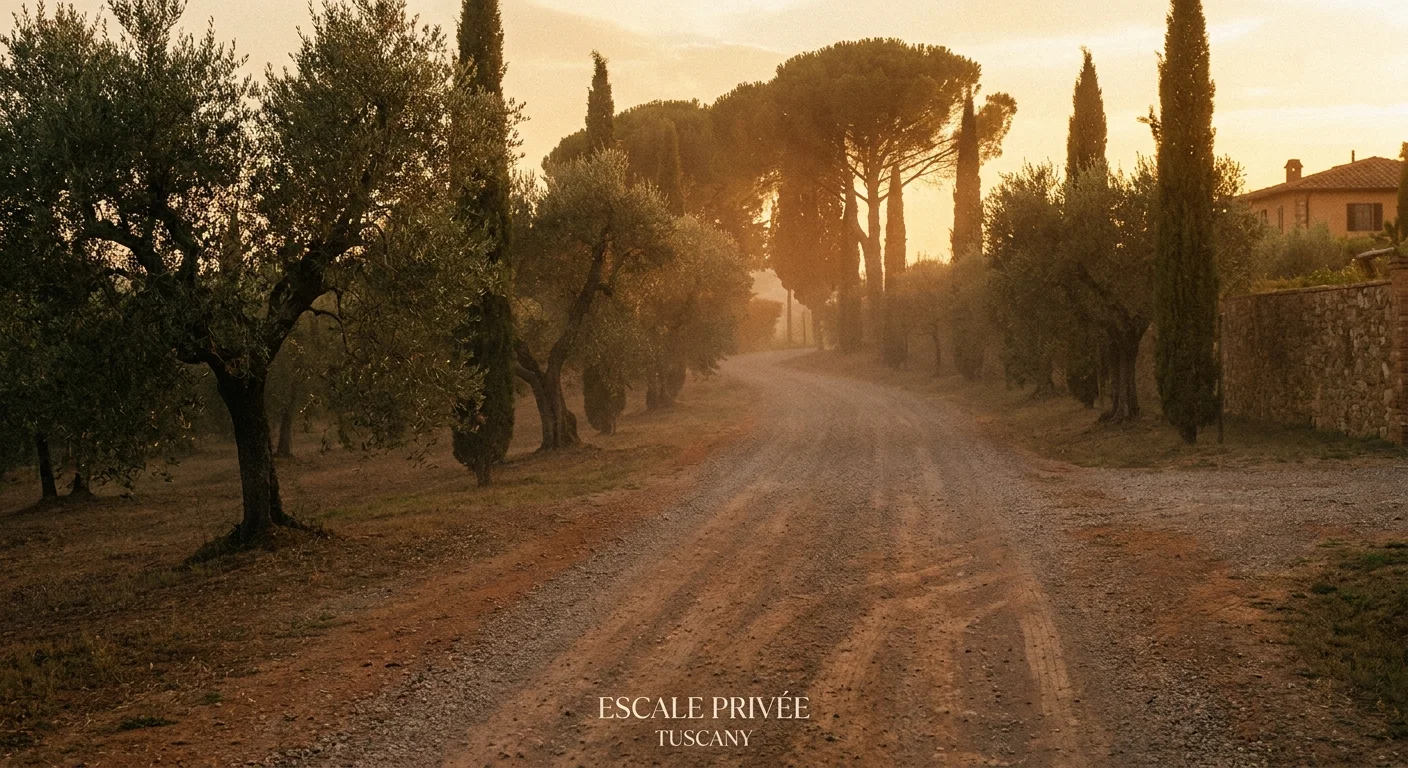
Tuscany, between Pisa and Florence. Five hundred hectares of forest, vineyards, and a silence with a temperature of its own.
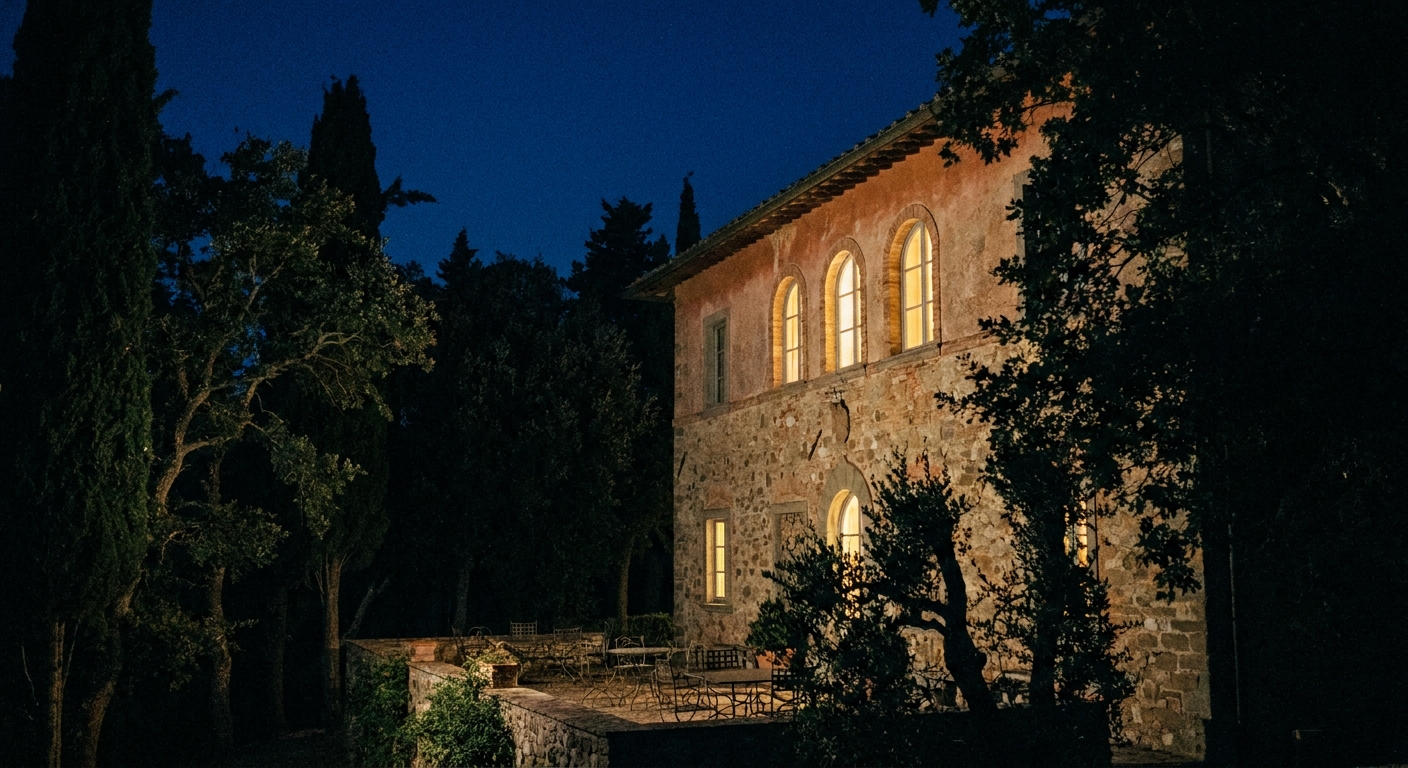
Before you see it, you hear it. First the cicadas — a low, unbroken tone, as if the earth were breathing in its sleep. Then gravel under the wheels, for a long while, because the road to Villa Lena does not end where the map promises it will. It turns once more, disappears behind a stone pine, climbs uphill between rows of olive trees that someone planted before his great-grandparents were born. And only then, when one has already stopped believing one will arrive, the villa appears on its own — terracotta-coloured, as if someone had melted the sunset and poured it across a wall.
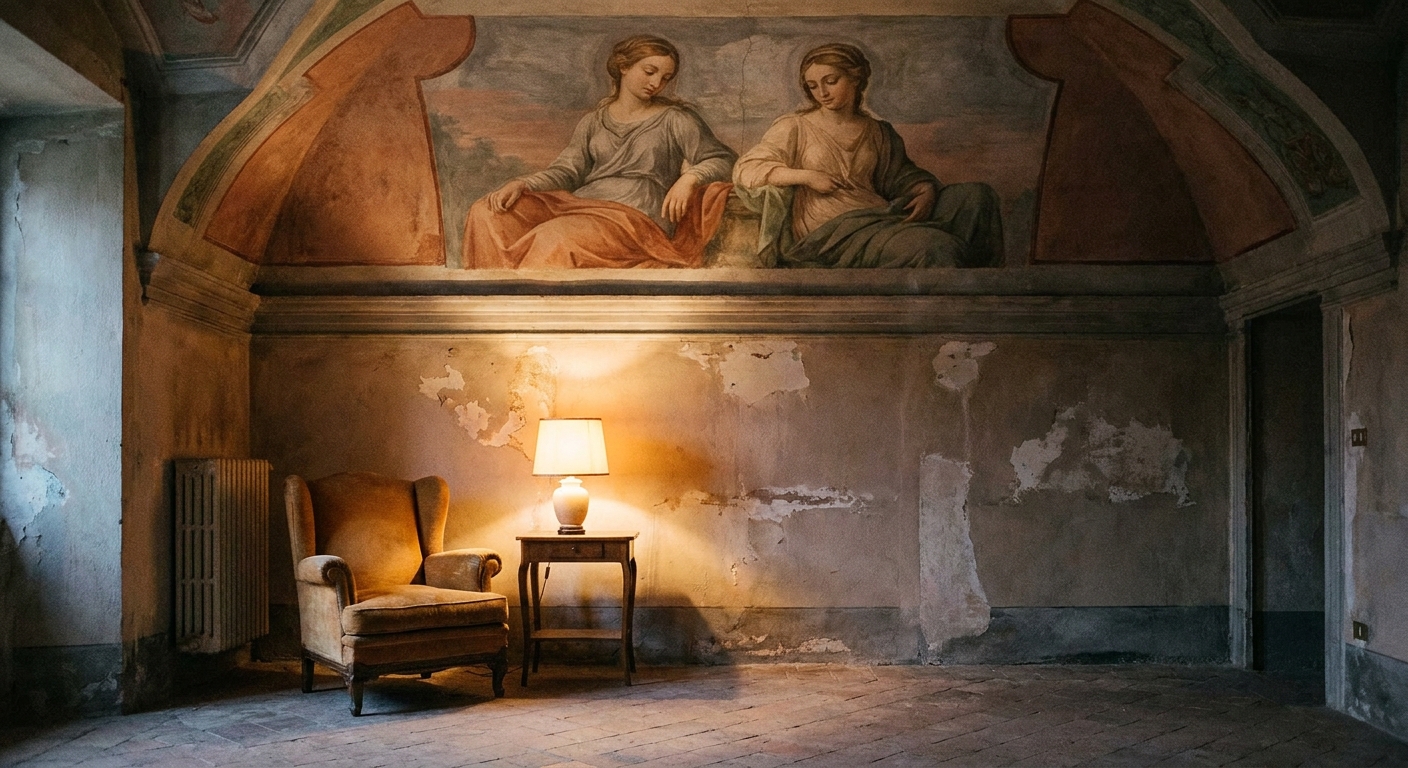
The house was built by the Del Frate family in 1890. The name means nothing today, and yet their women still gaze down from the ceiling frescoes — careless, faintly bored, as though they were about to change the subject of a conversation we will never hear. In the evening, when the light turns honeyed, you can watch them from an armchair and have the impression that it is they, from above, who are watching who the one who arrived has become.
A land that remembers the sea
The villa stands on something older than itself. Beneath your feet, in the vineyard soil, lie fossilised shells — a keepsake from a sea no one remembers now. The Etruscans came here two thousand years ago and laid out a park in the woods five minutes from here. Then the Romans. In 570, someone built Toiano Castle; an earthquake in the eighteenth century destroyed it, but the stones did not return to the earth — they passed into the villa, wall by wall, as if Tuscany knew no such thing as an ending, only a shift.
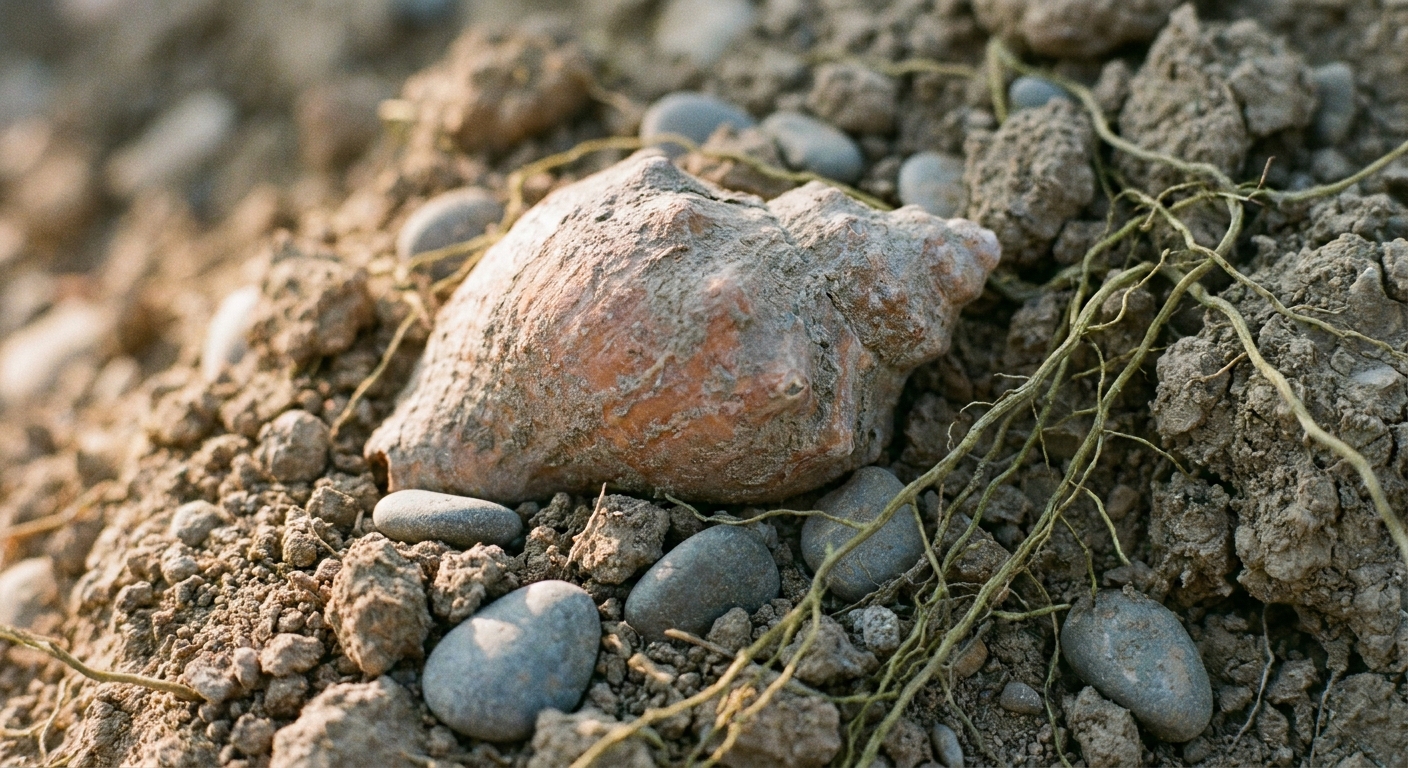
Nothing is wasted here. Not even time.
The stable that stopped pretending
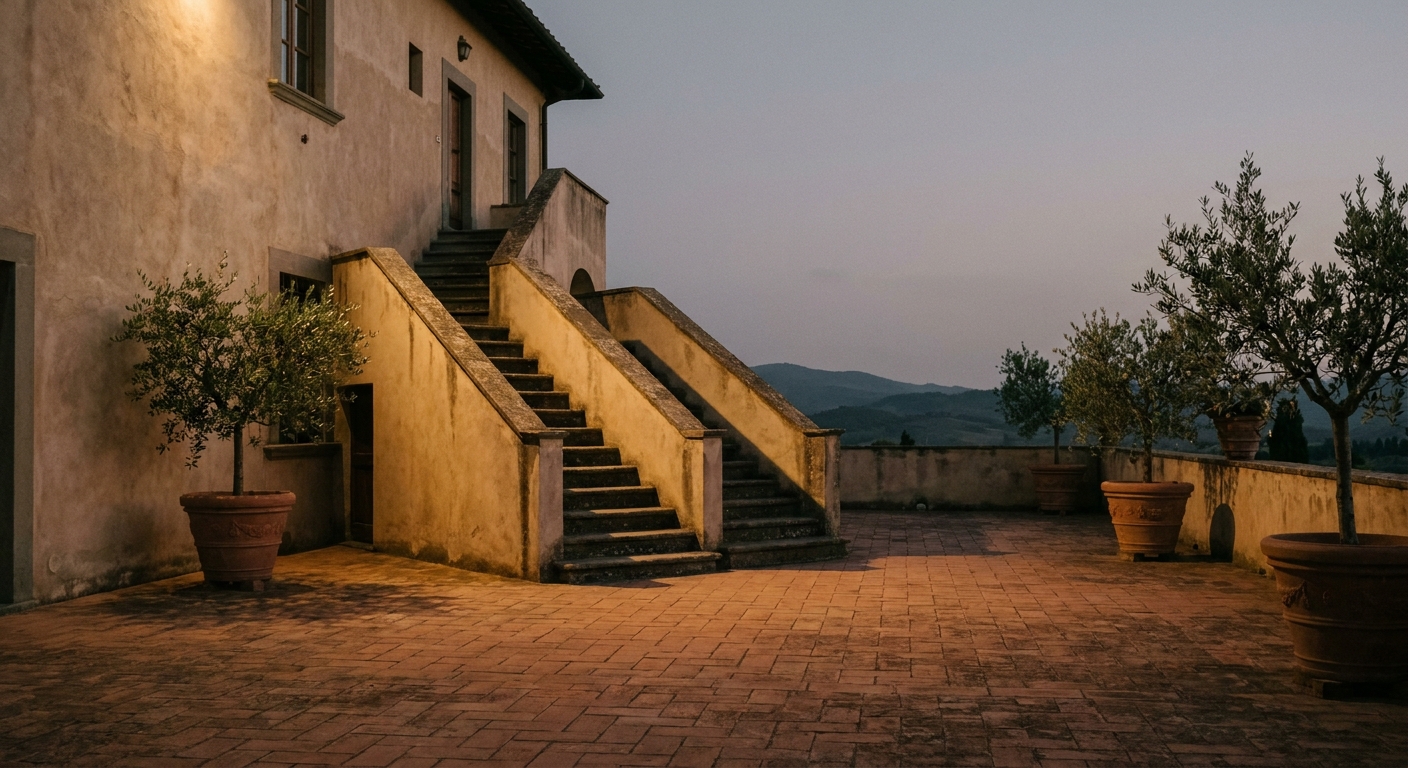
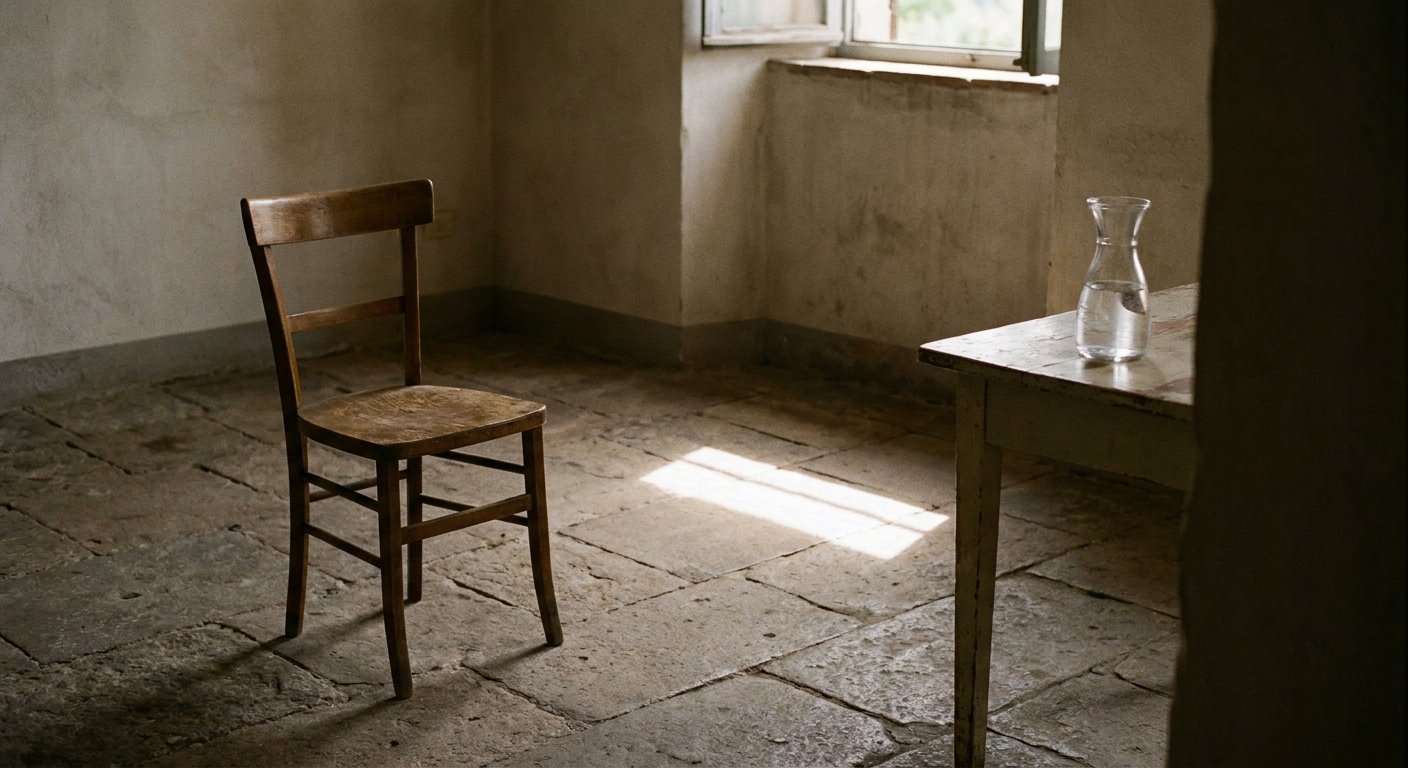
In the former Fattoria — in what was once the stable — the London studio Hesselbrand did the hardest thing: it did not pretend. It did not age the new walls or invent any false history. It opened up the vaults, left the stone floors in the hall, and added a double staircase leading to a terracotta terrace where, in the evenings, one sits as one sits in someone else's memory — without questions.
The bedrooms are white, almost austere, with fluted wood panelling that smells like the attic in a grandmother's house, though no grandmother ever lived here. In the bathrooms, a checkerboard of pale-grey Carrara and red Levanto — not for effect, but because marble bears humidity well, and the villa, like any well-bred person, prefers solutions that do not announce themselves.
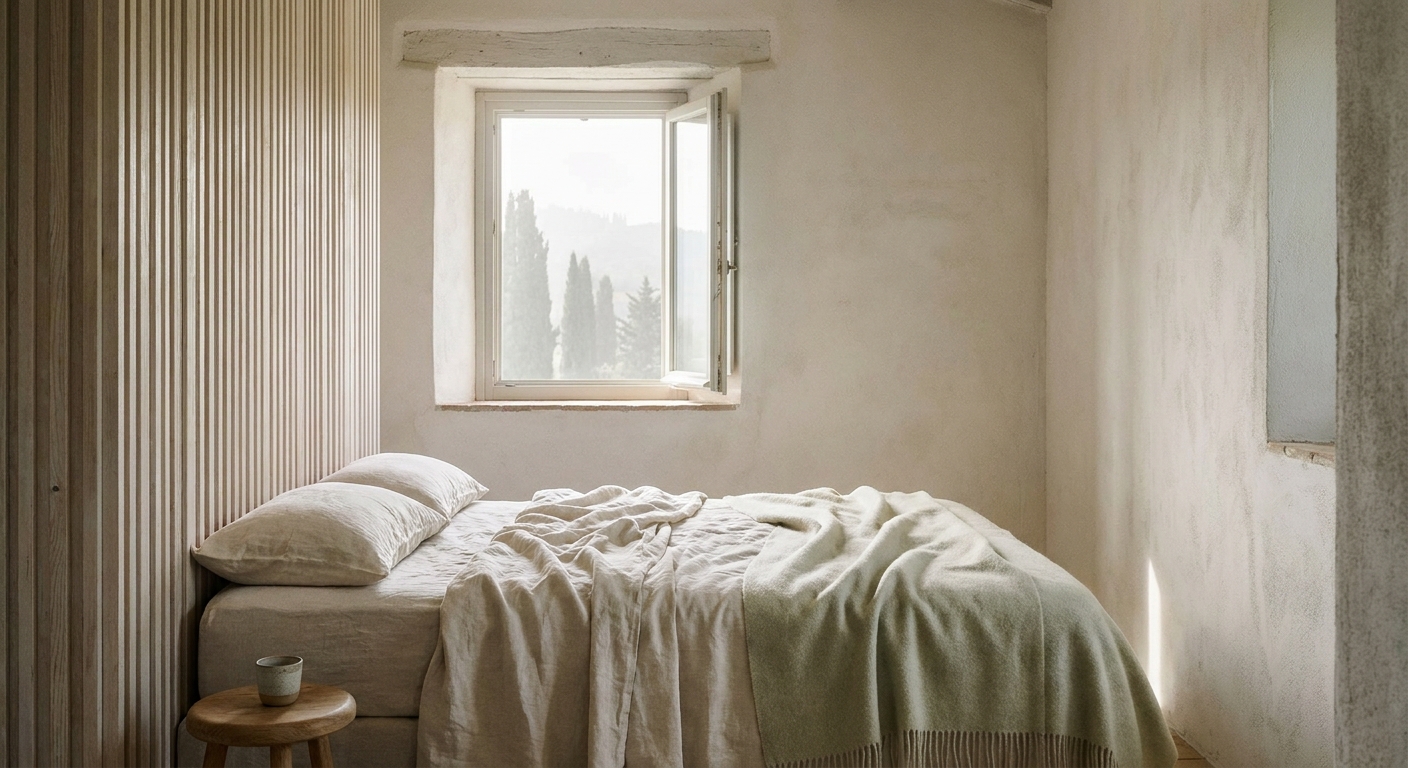
When you lie down here in the evening, you hear your own thoughts more clearly than in the city. This is a comfort no five-star hotel can buy: a silence that is not empty.
Guests who leave a trace
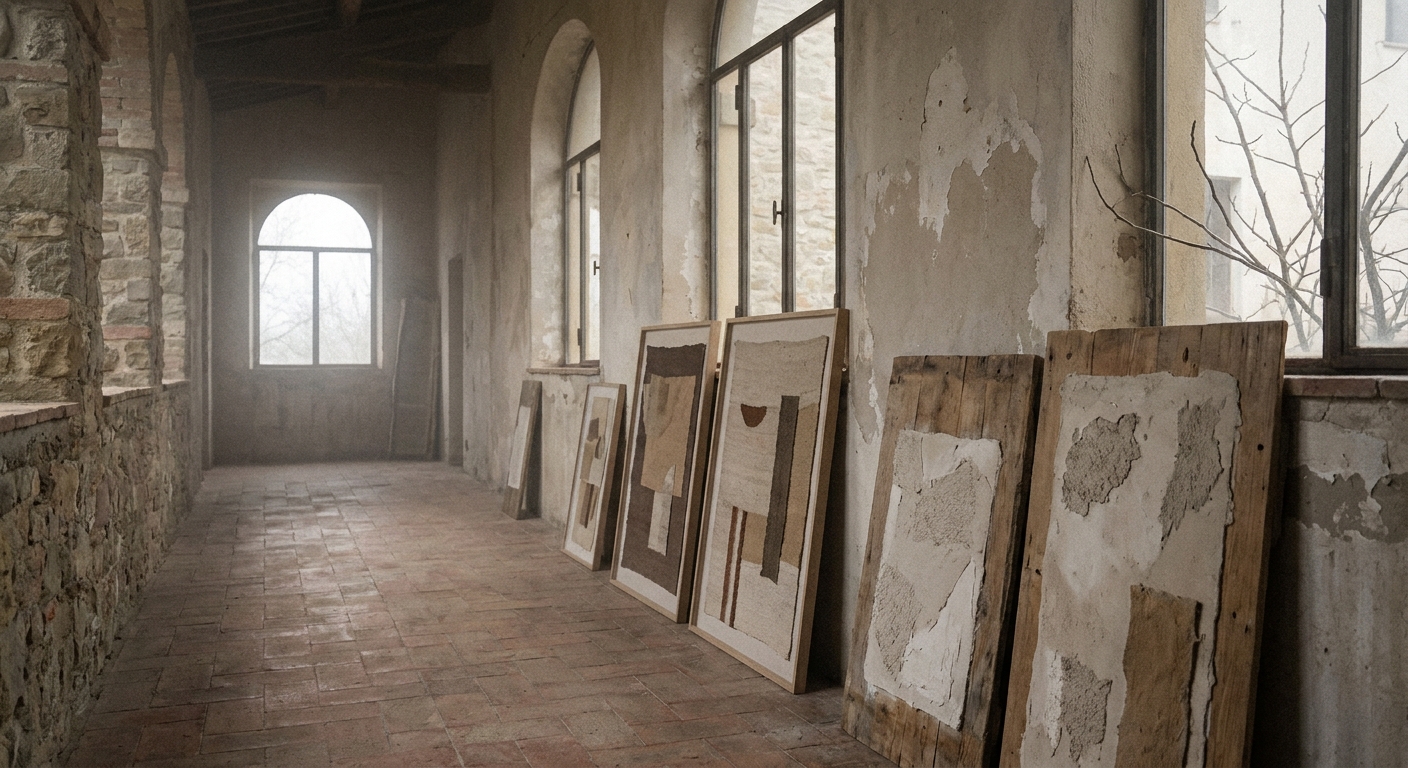
From April to October, someone else lives here too. The foundation invites painters, musicians, filmmakers, writers, designers. It offers them a studio — sometimes 120 square metres of it — accommodation in the villa, and meals on a half-board basis, five days a week. In return it asks only one thing: leave something behind.
That is why the walls of Villa Lena are never finished. Completed paintings hang beside studies, material tests, sketches broken off mid-sentence. Walking the corridor at dawn, you pass things that yesterday were nothing, and today are someone. Sometimes you hear a piano somewhere deep in the house and cannot tell whether it is practice or already a piece.
There are residencies for chefs too, and for yogis. In the evening someone cooks what he learned that day in the woods. In the morning someone else lays out a mat on grass the dew has not yet left. No one asks who you are. It is enough that you are.
The osteria where light decides
At Osteria San Michele, the day has no hours — it has light. Lunch lasts until the sun begins to slide down the cypresses. Aperitivo begins when someone opens the first bottle. Dinner ends when the last guest no longer feels like getting up.
Alessandro Muzzu cooks what grows. Tomatoes ripened at noon arrive on the plate in the evening, still warm from the earth. Olive oil from the trees you see through the window. Wine from vineyards you could reach barefoot. Truffles from the forest that begins just beyond the chapel.
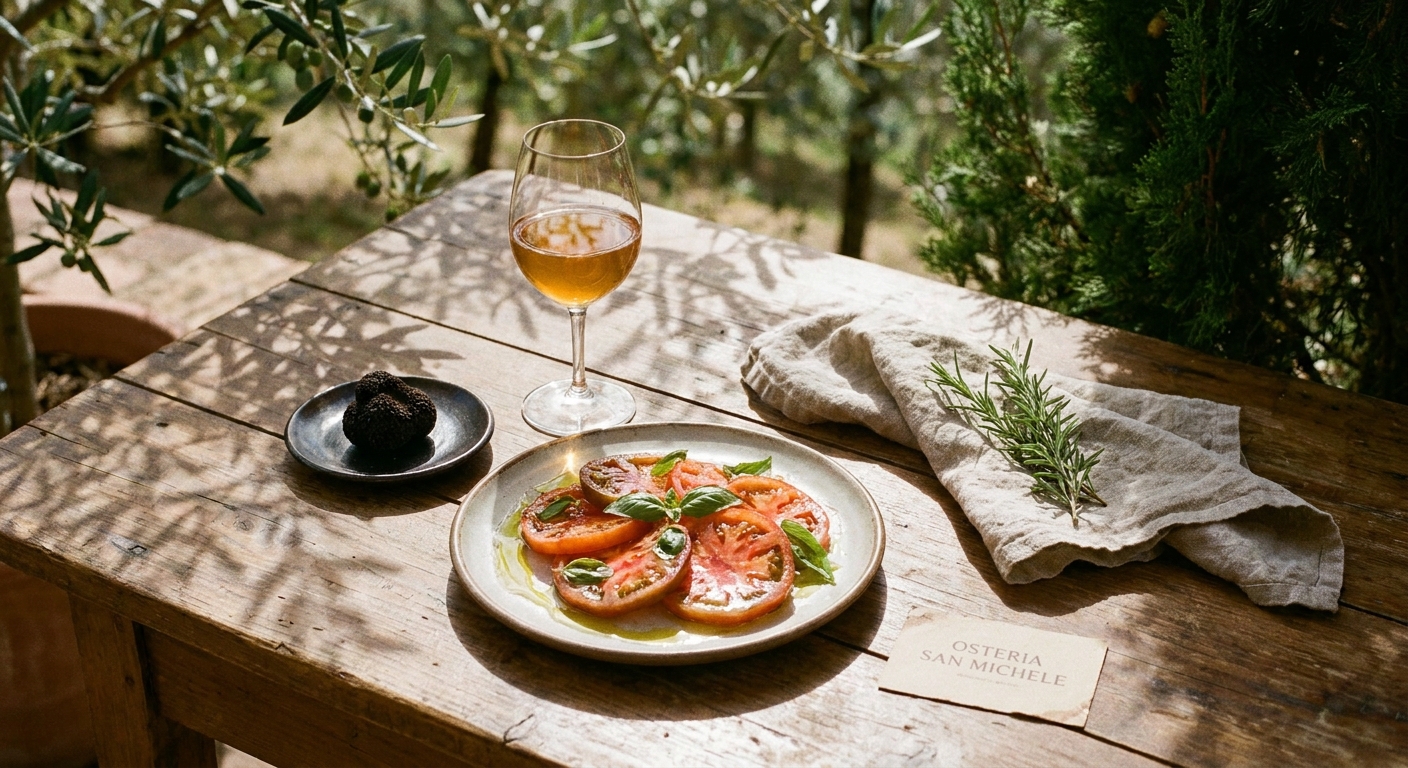
There is no signature cuisine here in the way the phrase has been worn thin. There is attentive cooking. It is a difference no menu explains — the first bite does.
On Sunday, brunch. You may come with a dog. You may come with a child. You may come alone, and no one will look at you with pity.
What one leaves, what one does not take away
Villa Lena does not try to dazzle. This is its most aristocratic trait. There is no staff materialising in the doorway. No performance of hospitality in which everyone pretends they have been waiting for you since birth. There is a house — with stones from the castle of 570 in its foundations, with paintings that are not yet paintings, with an osteria where the cook prepares what the tree gave him that day.
After leaving, you do not remember the bed. You do not remember the reception desk, because there was not really one. What you do remember is that for five days no one made a single decision for you. And that this bothered no one — least of all you.
Somewhere on the way back, between Pisa and the airport, you catch yourself humming under your breath. A melody you do not know. Perhaps it is the cicadas, no longer audible. Perhaps the villa, no longer visible. Perhaps it is that kind of longing that begins before one has even left — and does not end.
Villa Lena. San Michele, Tuscany. Open from April to October. The rest — within you.