The Library — Escale Privée
What the Industry Is Finally Asking
An essay on the mood of luxury travel in 2026.
Something shifted. You can feel it in the language.
The word that appears most often in industry reports this year — in the forecasts from consultancies, in the strategy documents from hotel groups, in the quiet admissions of general managers speaking at conferences they hoped no one was recording — is not innovation. It is not personalisation, though that word has its own tireless momentum. The word that keeps appearing, in document after document, is sanctuary.
Not comfort. Not luxury, even. Sanctuary.
This is not a small thing. Sanctuary is a word with weight. It implies that something outside needs sheltering from. It implies that the guest arrives not merely tired but — in some harder-to-name way — depleted. That the hotel's function has changed, or rather: that its original function has reasserted itself against decades of amenity accumulation and experiential inflation.
The industry, it seems, is finally asking the right question. Not what can we add? but what does a person actually need when they arrive?
I. The end of display
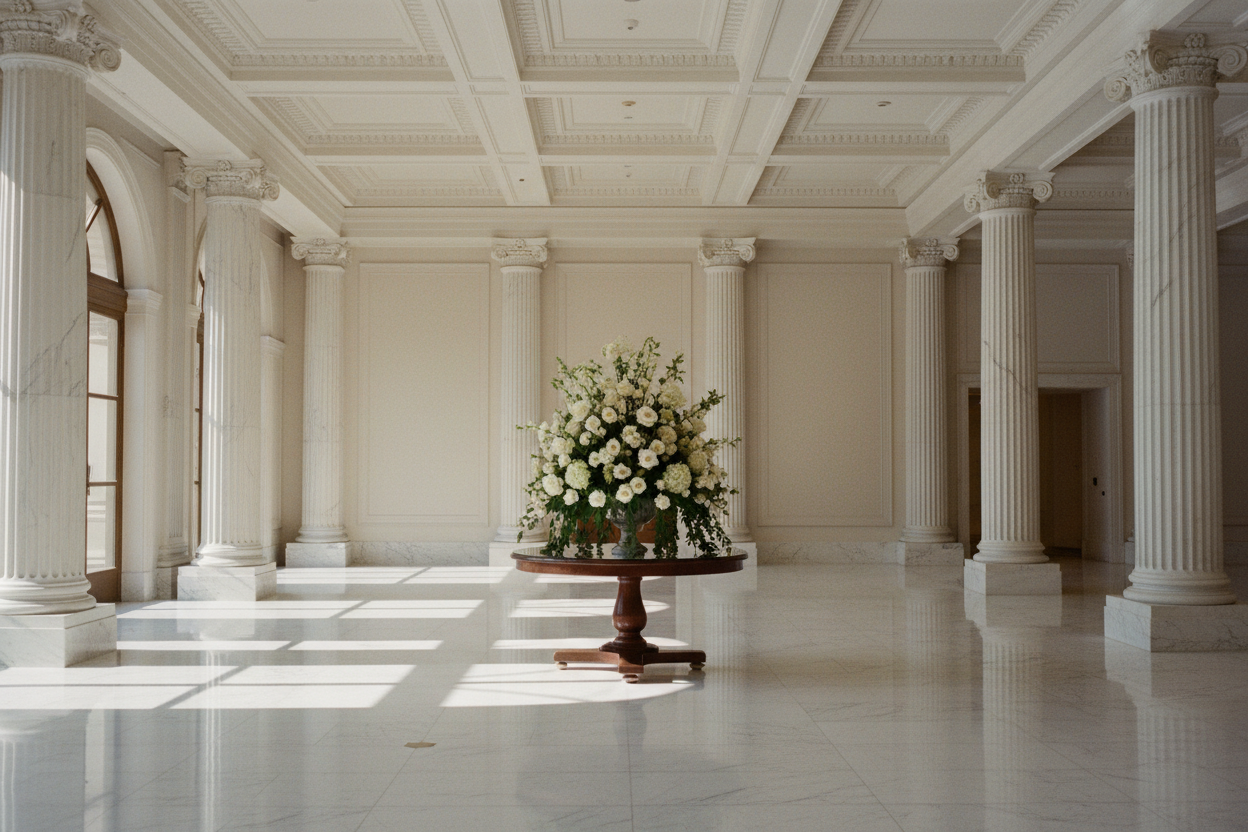
For a long time, luxury travel was organised around the premise of the visible. The room had to be photographable. The breakfast had to be instagrammable. The pool had to be the kind of pool that communicated, to anyone who might see a photograph of it, that the person in the photograph had made the correct choices.
This premise is now exhausted. Not abandoned — there are still hotels built entirely around it, and they are busy — but exhausted in the way that a style of argument becomes exhausted: people keep making it, but fewer people find it persuasive.
What has replaced it is harder to name precisely, because it resists photography almost by definition. The Forbes headline calls it deep luxury. The GHA DISCOVERY annual report describes its traveller as intentional — someone who values connection, comfort, and authenticity over excess. The design consultancy Wimberly Interiors, in its 2026 forecast, speaks of emotional resonance and multisensory authenticity. The Gensler architecture firm, more plainly, calls hotels sanctuaries for analog living.
All of these formulations are circling the same thing: a guest who has had enough of being impressed, and would now like, instead, to rest.
II. Rituals
The word that follows sanctuary in the industry literature is ritual.
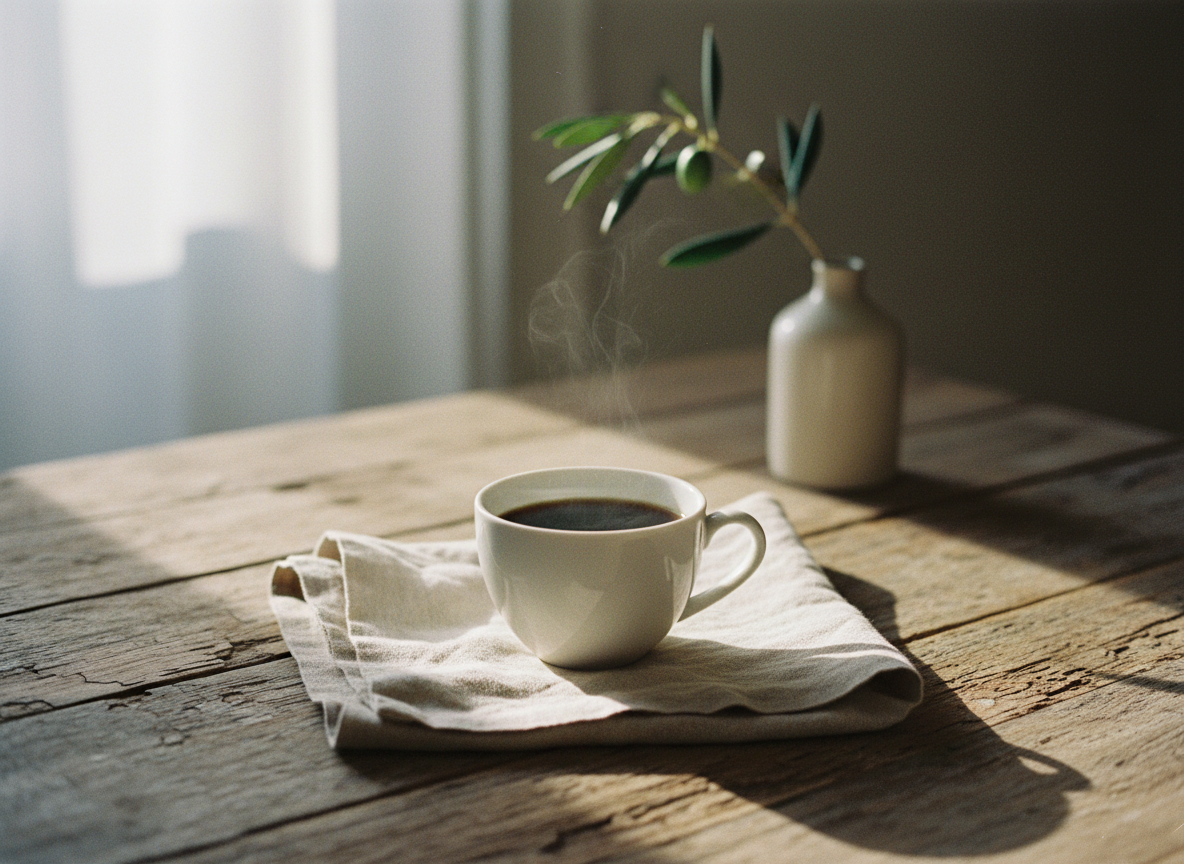
This is interesting because ritual is, in essence, the opposite of novelty. A ritual is something repeated. Something expected. Something that derives its value not from surprise but from continuity — from the knowledge that it has happened before and will happen again, and that the repetition itself is the point.
The hospitality industry spent much of the past decade chasing novelty. New experiences. New activations. New reasons to return. What it is discovering — slowly, with the particular reluctance of an industry that sells aspiration — is that what its best guests want is not new reasons to return. They want the same reasons. The coffee that arrives before they ask. The particular weight of the linen they remember from the last time. The concierge who remembers.
Rituals, one strategy document notes with the mild wonder of someone who has only just understood something obvious, cost less than physical CAPEX and create more loyalty than points.
This is true. It has always been true. But it takes a certain kind of hotel to understand it, and a certain kind of guest to require it.
III. The split
Not every hotel is moving in this direction. It would be inaccurate — and consoling in the wrong way — to suggest that the entire industry is converging on depth and intention.
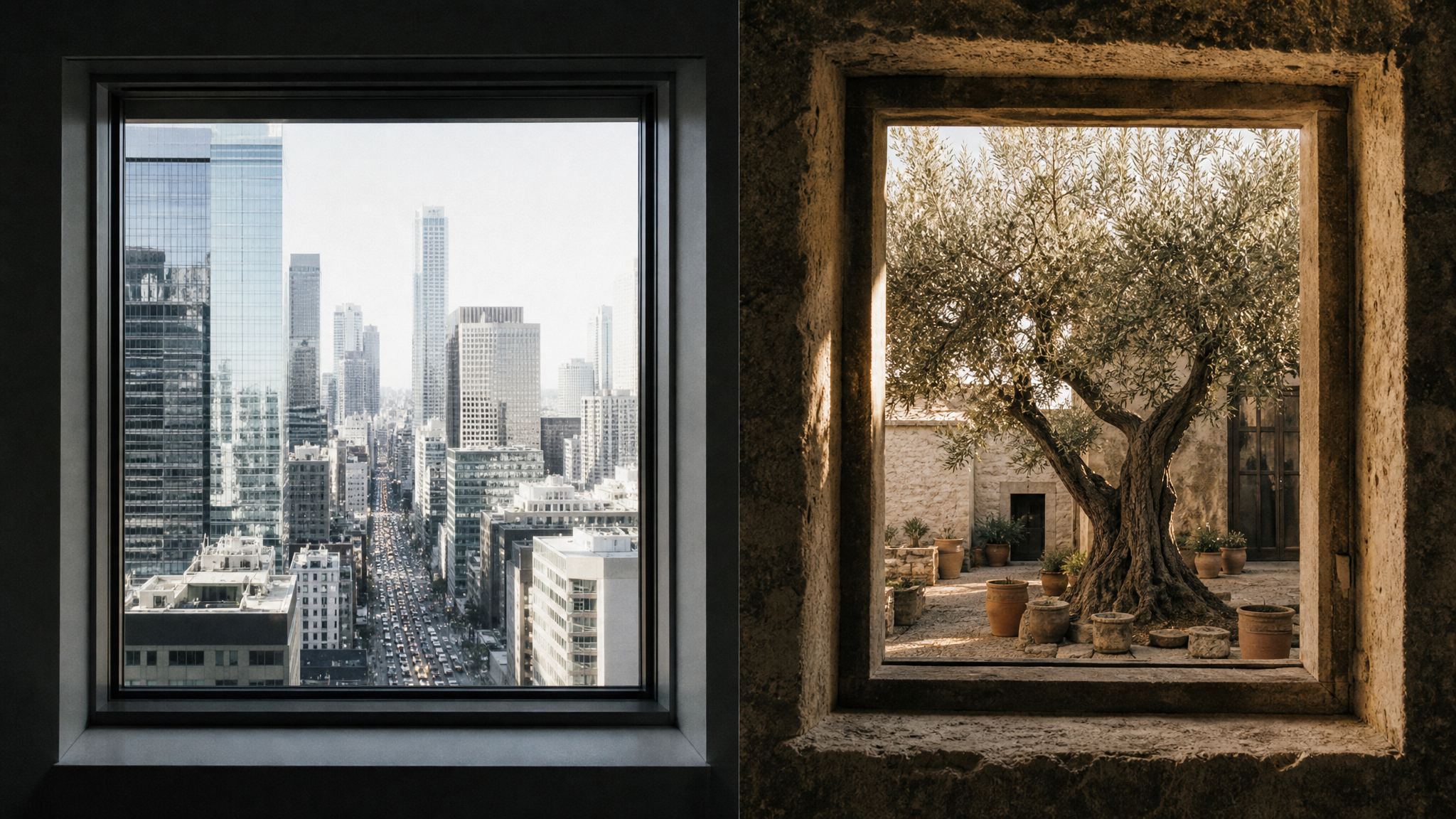
What is actually happening is a divergence. Analysts call it the great split: a widening gap between properties competing on volume, velocity, and visible amenity, and those competing on something that resists easy description but is immediately recognisable in the body when you encounter it.
The first category is larger. It will remain larger. It serves a real need and serves it efficiently.
The second category is smaller, less legible to comparison platforms, more difficult to explain to someone who hasn't been there. It is also, for the guest who has learned to find it, essentially irreplaceable.
Independent hospitality lives almost entirely in the second category — not because independent hotels are inherently better, but because the conditions that make the second category possible (a particular person who made particular choices about what this place would be and how it would behave) are far more likely to be present in a house that answers to an individual than in one that answers to a committee.
The split is not between expensive and inexpensive. It is between places that have a why and places that do not. The guest in 2026 — the intentional traveller, the one who arrives with less luggage and more precision — has become remarkably good at detecting the difference.
IV. What a hotel is for
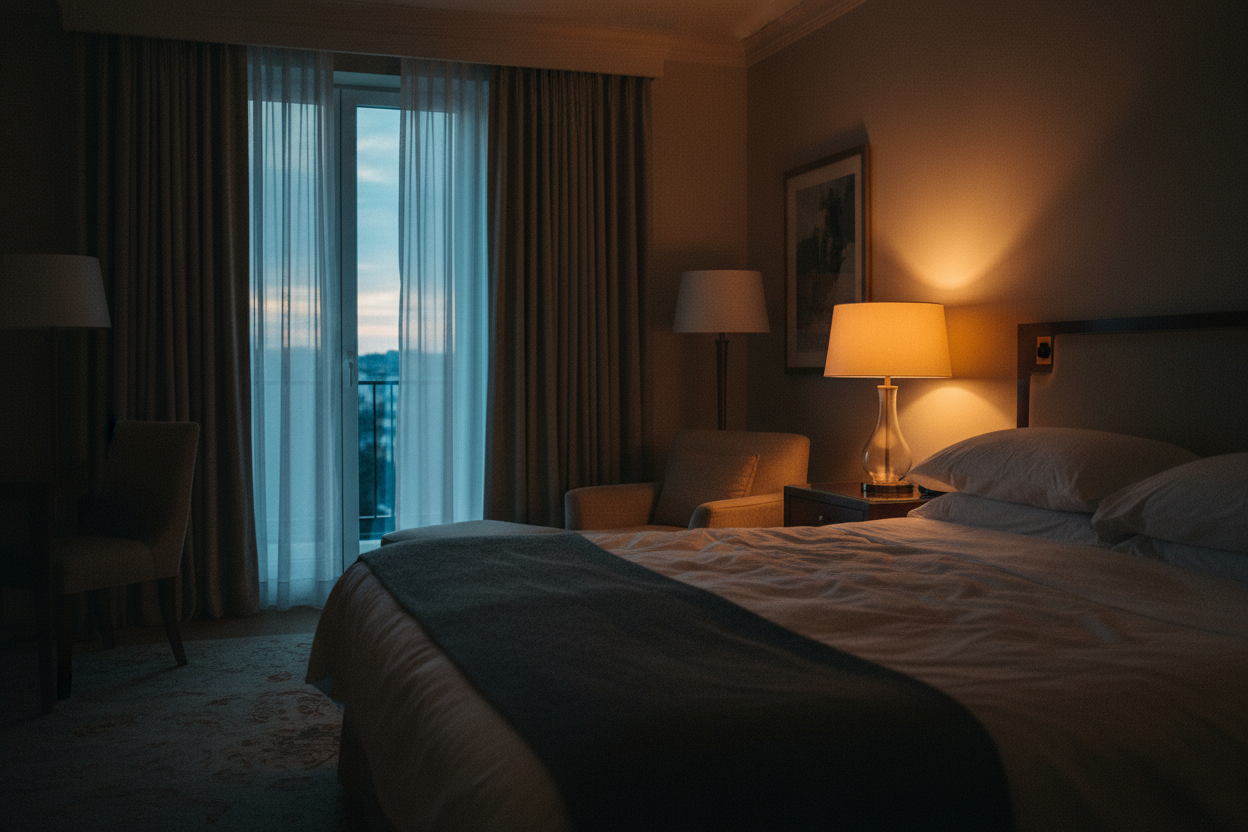
Life has become increasingly fast, mediated, and optimised. The notifications arrive before the thought is finished. The itinerary is tighter than it used to be, even when there is no itinerary. The body moves at speeds the mind cannot quite follow.
Against this, the hotel — the good hotel, the one that knows what it is for — offers something that very little else offers: time that belongs to you, in a space that has been considered on your behalf.
This is the deeper logic beneath all the trend language. Beneath deep luxury and intentional travel and sanctuary and analog living is something simpler: a guest who wants, for a few days, not to be the person who manages everything. Who wants someone else to have thought about the water temperature and the quality of the silence and whether the flower arrangement is still fresh.
This is not passivity. It is a form of trust — which is, when you consider it, the rarest thing one can offer and the hardest to manufacture.
The industry is asking, finally, how to earn it.
Those of us who have been watching closely already know which houses have the answer.
— The Editor