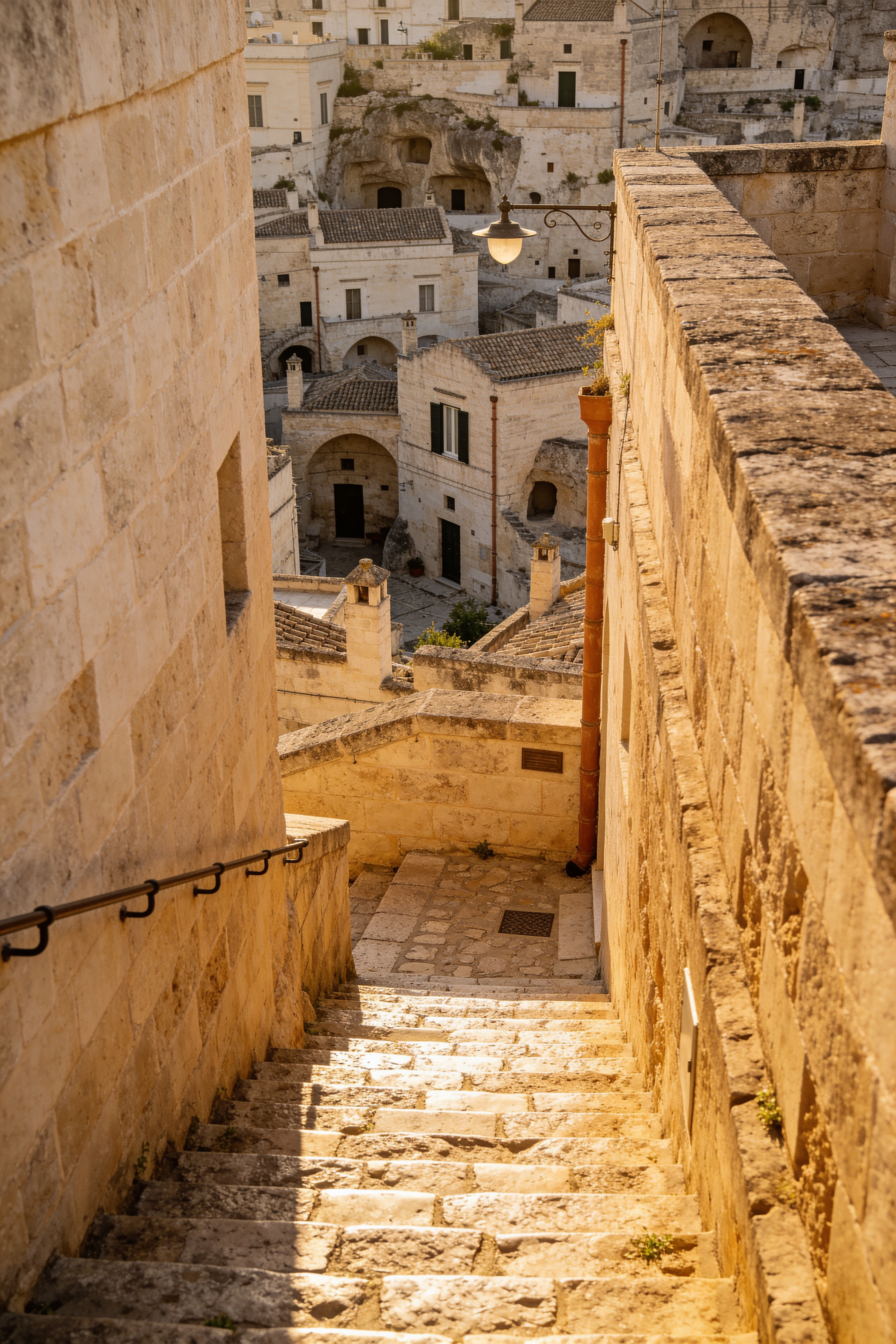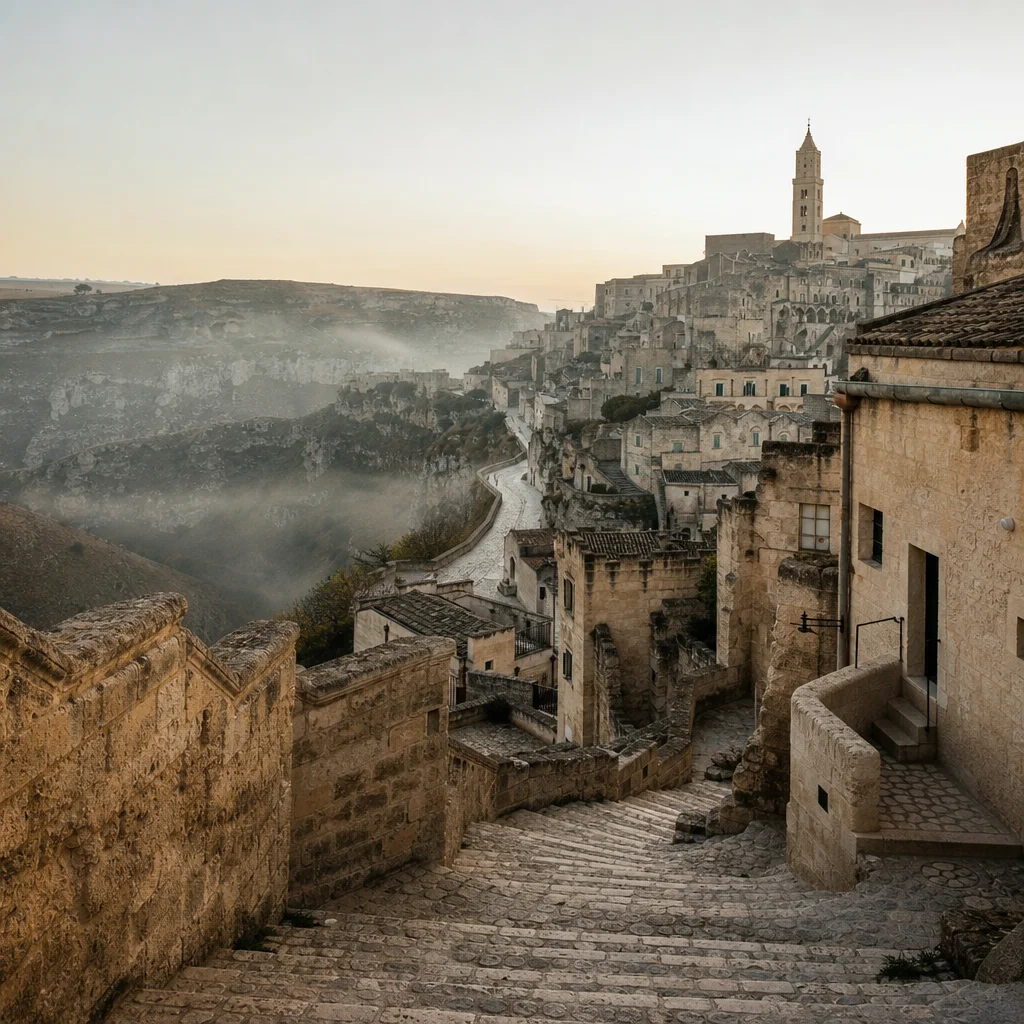
There is a standard narrative about Matera, and it goes like this: the city was once called la vergogna d'Italia — the shame of Italy. In the 1950s, Carlo Levi wrote about its cave dwellers in Christ Stopped at Eboli. Alcide De Gasperi visited and ordered the population evacuated. For decades, the sassi were empty. Then came the restoration, the UNESCO listing in 1993, the European Capital of Culture in 2019, the 007 production, the boutique hotels carved into the caves.
This narrative is accurate. It is also, at this point, exhausted.
What the narrative does not capture is what you find when you arrive after the season and walk through the sassi without a map.
The city before the city
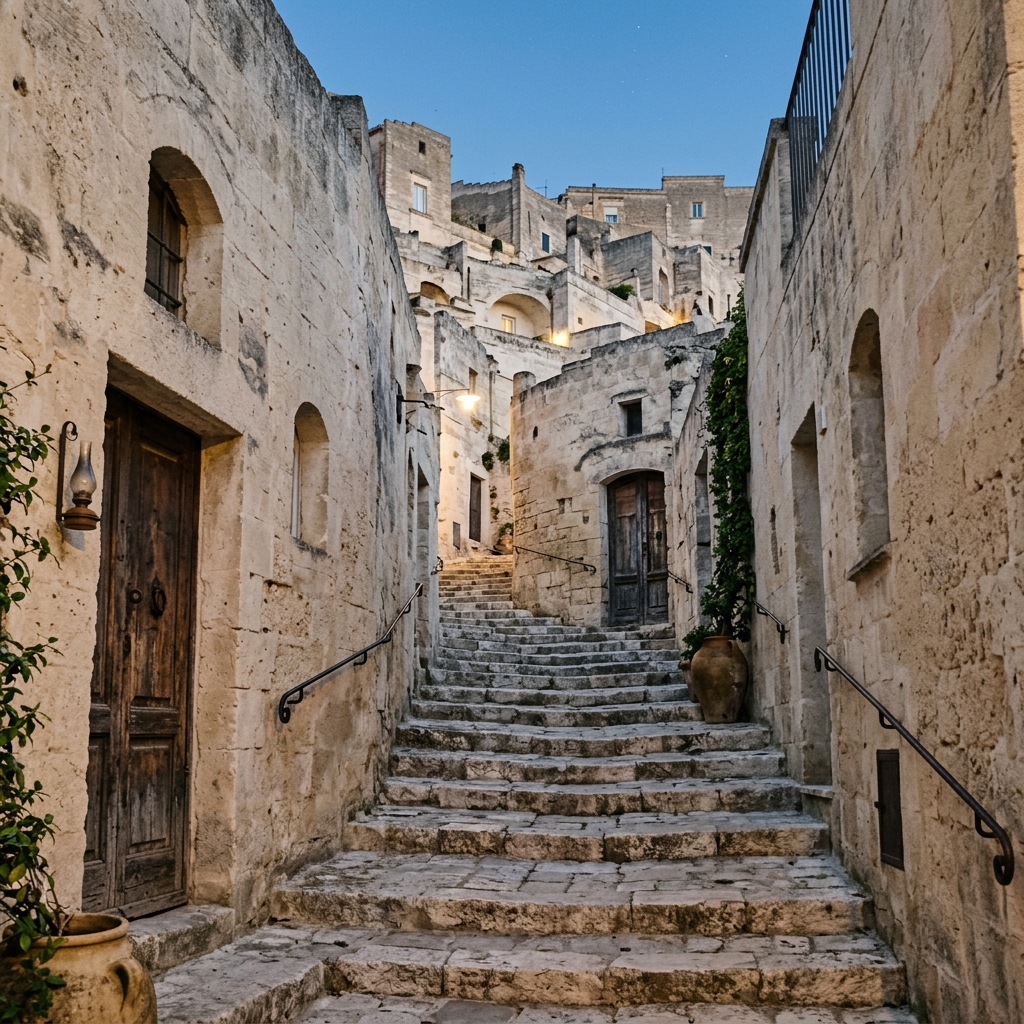
Matera is one of the oldest continuously inhabited settlements in the world. People have lived in these caves — cut into the tufa limestone of the Gravina gorge in Basilicata — for at least 9,000 years, possibly longer. The prehistoric troglodytes who first occupied the caves did not choose Matera because it was beautiful. They chose it because the rock was soft enough to carve and the gorge below provided water and defence.
Over millennia, the sassi grew into a vertical city: buildings stacked on the roofs of older buildings, cisterns carved beneath floors, cave churches painted with Byzantine frescos, streets that are also staircases that are also rooftops. The spatial logic is not readable from outside. You understand it by entering it and losing your orientation and finding it again.
The two quarters — Sasso Barisano to the north and Sasso Caveoso to the south — are distinct in character. Barisano has been more heavily restored and holds most of the hotels and restaurants. Caveoso remains rougher, quieter, closer to what the sassi were before the investment arrived. The ravine below Caveoso is where the ancient cave churches are cut into the cliff face: Santa Lucia alle Malve, the Madonna de Idris, rock paintings older than the Roman Empire.
What the stone does to time
The quality that distinguishes Matera from the other UNESCO cities of southern Italy is not its age or its architecture but its relationship to time. The stone does not age in the usual way. The tufa is self-healing — it calcifies slowly over centuries, hardening on exposure to air. The facades of the sassi look simultaneously ancient and freshly formed. The distinction between restoration and original is not always visible.
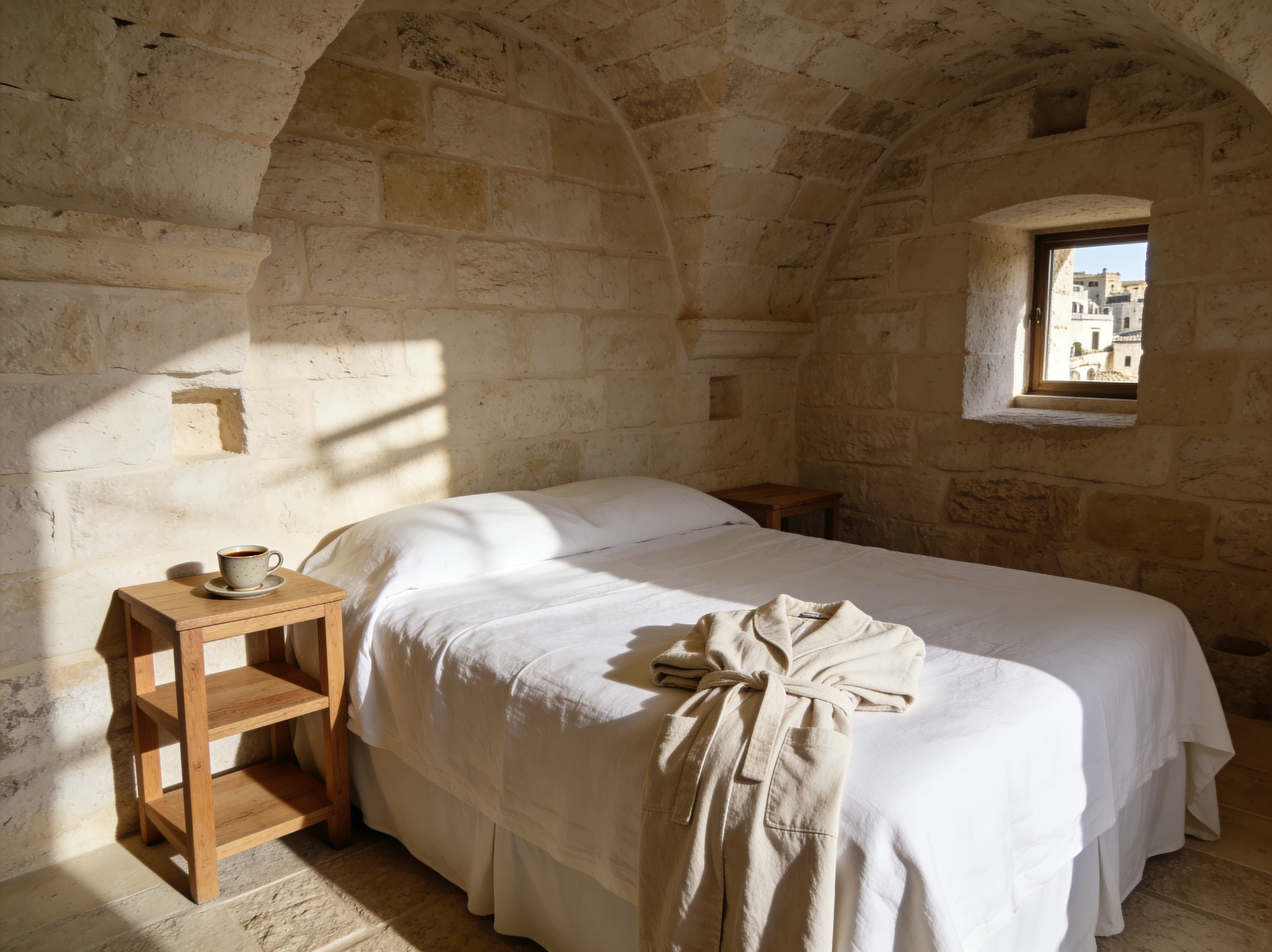
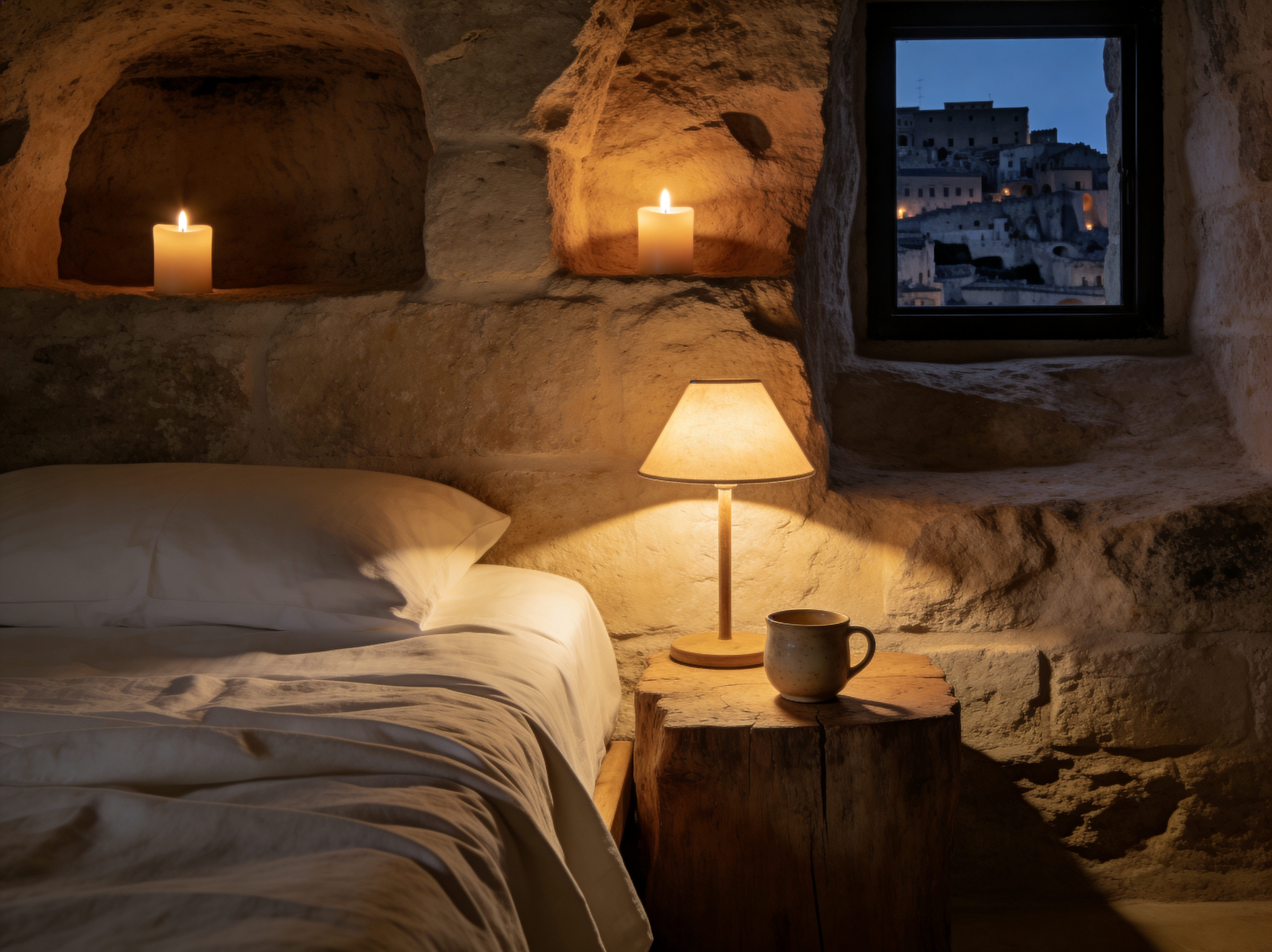
This produces an unusual experience for the contemporary traveller, who is accustomed to the past being clearly labelled. In Matera, the past is present — not as heritage but as texture. The floor you walk on was someone's ceiling. The cistern beneath the hotel room was the house's water supply for a hundred years. The bed hewn from limestone was not placed here as a design statement; it is here because limestone is what the room is made of.
Where to stay
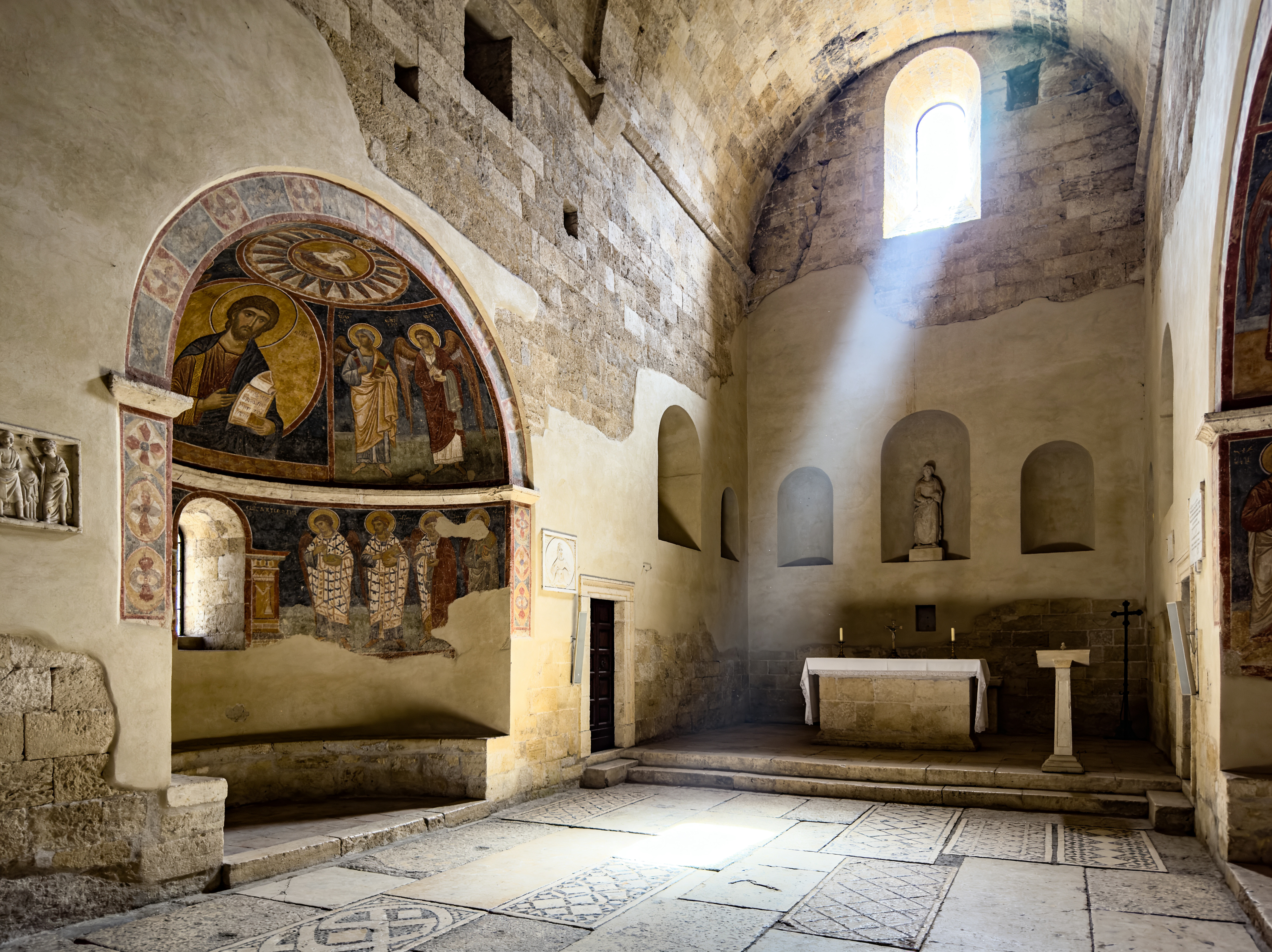
Sextantio Le Grotte della Civita is the address that taught Matera how to host without adding anything. Eighteen rooms cut from cave dwellings restored with an almost stubborn fidelity to material truth: log fires, stone bathtubs, vaulted ceilings, handmade terracotta lamps. The restaurant, inside a medieval cave, serves food that corresponds to what the region has always grown. No embellishment. No distance.
Vetera Matera, opened in September 2025, arrives as a contemporary answer spoken softly. Twenty-three rooms, a rooftop terrace above the sassi, a deliberate position in the dialogue between preservation and present use. It does not try to compete with the stone; it frames it.
Sant'Angelo Matera (Small Luxury Hotels of the World) keeps the ritual of service intact while leaving the geology untouched. Views across Sasso Caveoso; rooms where the limestone furniture is not a design statement but a fact. The beds are cut from the rock. The walls are the walls.
The food of Basilicata
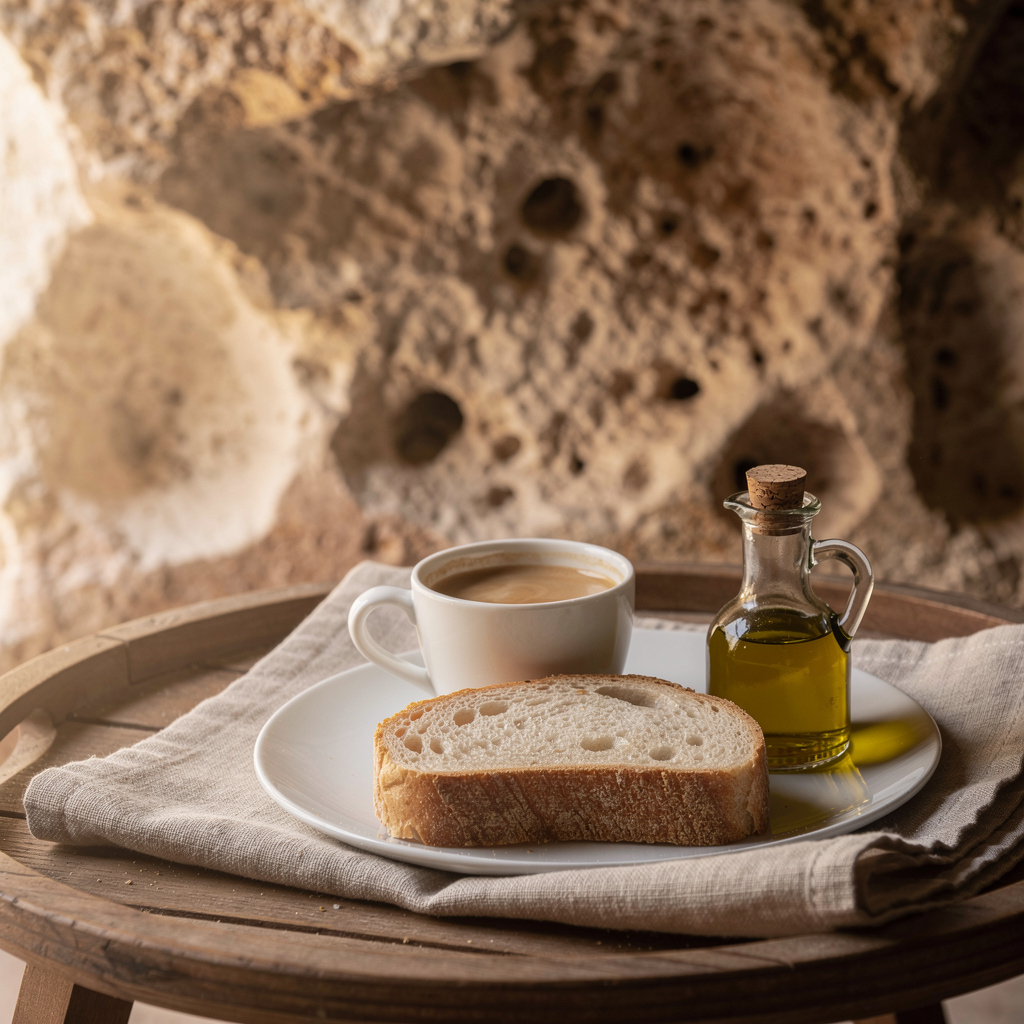
Basilicata is the least visited region in mainland Italy and one of the most self-sufficient. The cuisine is not refined — it is precise. Pane di Altamura (technically just over the Puglia border, but inseparable from this territory) is protected by DOP designation, baked from durum wheat in a form that has not changed in centuries. The crust cracks. The crumb holds moisture for days. In the sassi it appears without ceremony: a cloth bundle opened on a table, a knife that has done this before, the first quiet sound of breaking.
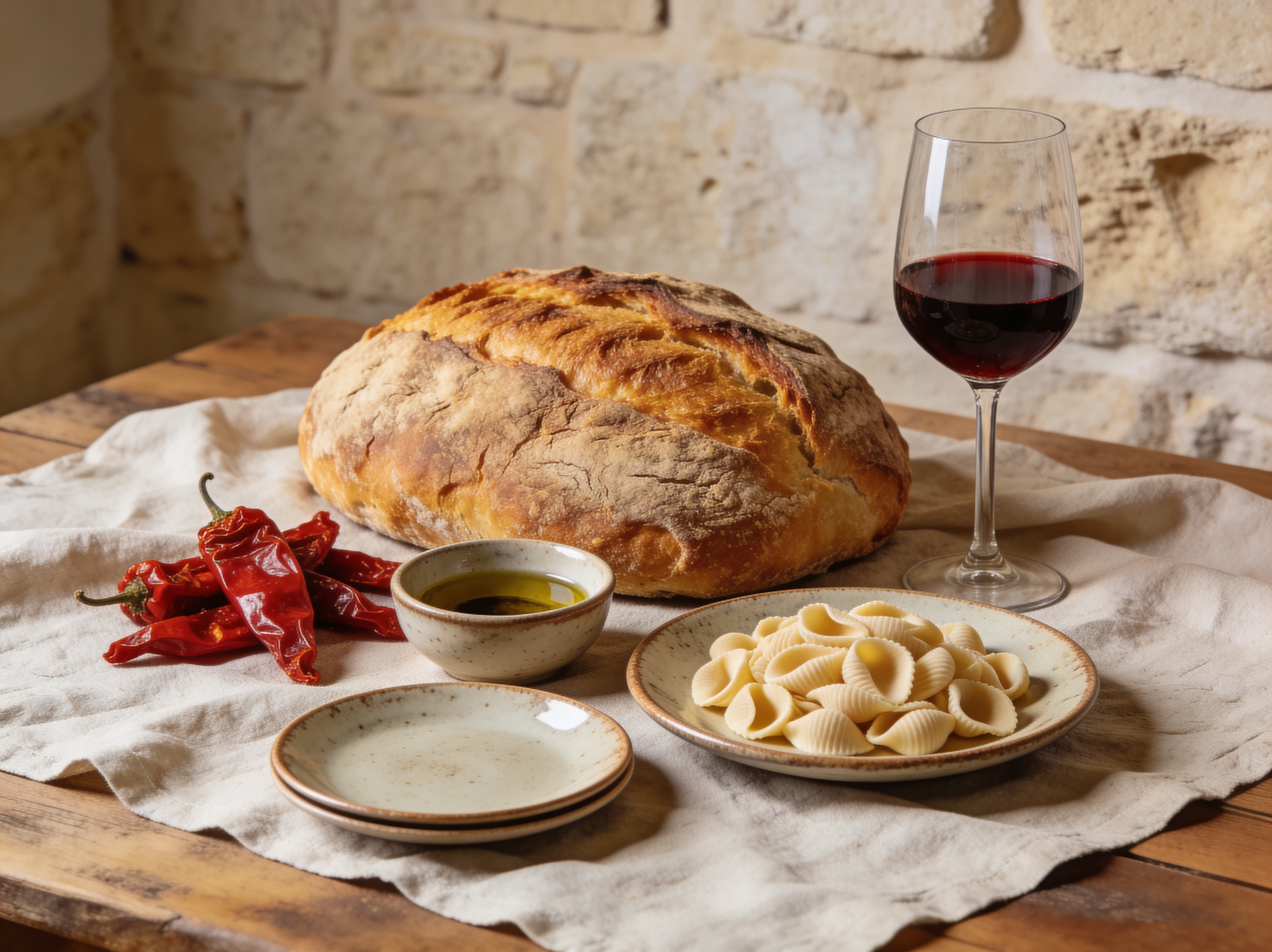
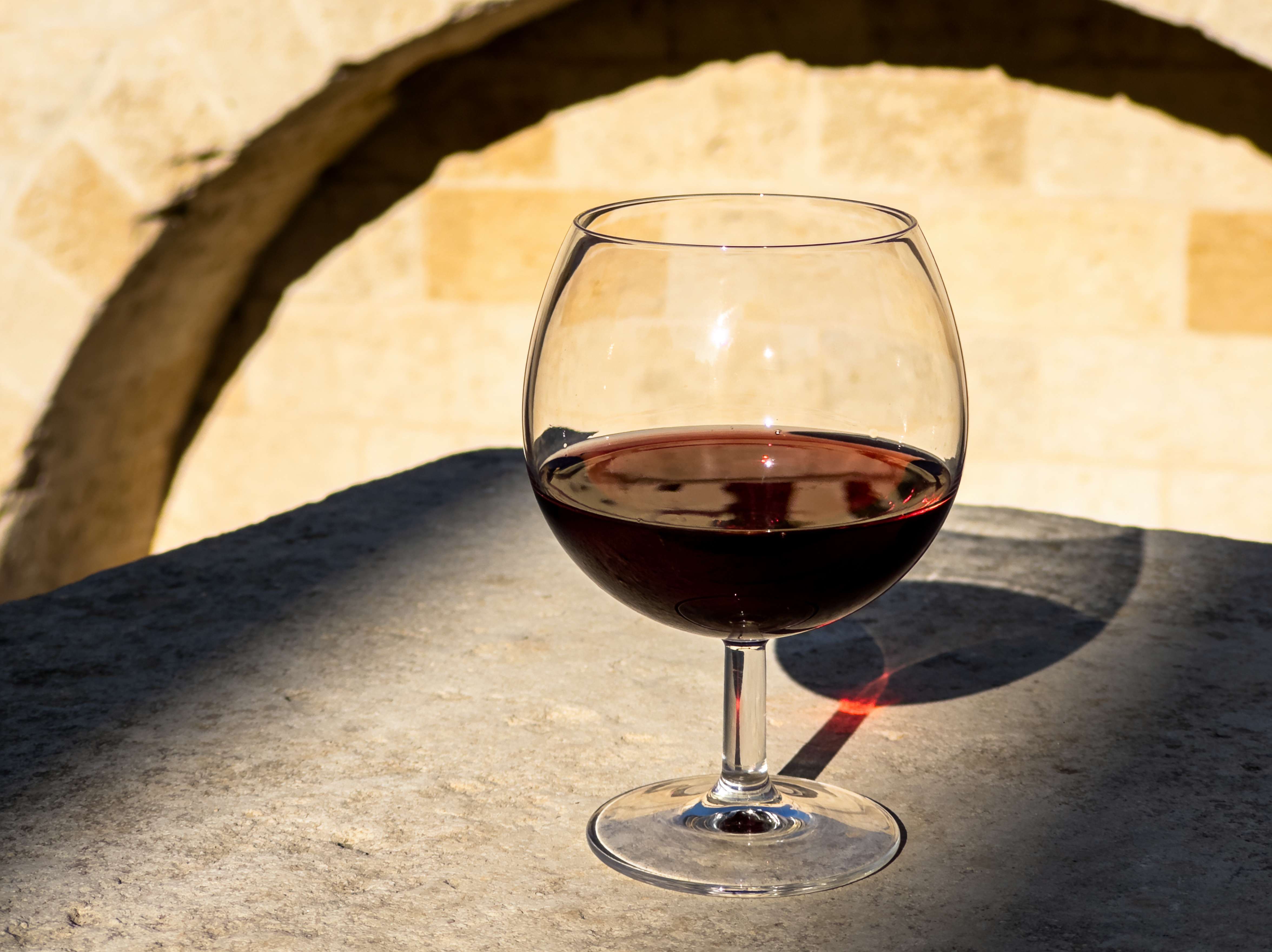
The wine of the region is Aglianico del Vulture — made from an ancient Greek grape variety grown on the volcanic soils of Monte Vulture, north of Matera. Dark, tannic, with the kind of finish that requires time and does not apologise for it. It is the wine that corresponds to this city: uncompromising, deeply formed, not immediately legible.
After 2019
When Matera held the European Capital of Culture designation in 2019, the city changed in ways that are still settling. The streets became smoother, the signage cleaner, the doors more often unlocked for strangers. The sassi, which in 2010 had perhaps four boutique addresses, now have twenty. Visibility is a kind of weather: it moves in and stays.
The question that Matera now holds — the question that any ancient city holds once it becomes visible — is how to remain what it is while being seen by those who come to see it. The caves absorb the question without answering it. They have absorbed larger questions than this.
The best hours in Matera are between 7 and 9 in the morning, when the overnight guests are still inside and the day visitors have not yet arrived. The sassi at that hour are returned to themselves. The stone holds the cold of the night. The Gravina gorge below is full of birds.
Micro‑routes and logistics (without the brochure tone)
You do not need a plan to understand Matera, but a few practical choices will change what you meet.
- Arrive: the train from Bari ends at Matera Centrale (FAL). From there, the old city is a short taxi ride or a longer walk uphill; if you arrive with luggage, take the car and save your legs for the sassi.
- Parking: if you are staying inside the sassi, assume you will park outside and walk in. Many addresses arrange permits or drop‑off points, but the last stretch is often stairs and stone. Pack accordingly.
- Footwear: the streets are stairs; the stairs are streets; the stone is polished by centuries. Bring soles that grip.
- Best light: 7–9 (cold, empty, precise) and after sunset (the city becomes a lantern; the day trippers leave; the sound changes).
Route 1: The sassi before they wake (90 minutes)
Start in Piazza Vittorio Veneto while the cafés are still setting chairs. Walk to the edge where the city breaks open and follow the descent toward Sasso Barisano, choosing alleys over main steps. Do not look for the “right” path; look for the logic: rooftops that become streets, doors that lead into the rock.
Cross toward Sasso Caveoso by keeping the ravine in your peripheral vision. Pause at a viewpoint, then continue until you can see the curve of the amphitheatre shape — houses stacked like sediment. End at Piazza San Pietro Caveoso for a coffee when the first camera shutters arrive.
Route 2: Across the ravine (2–3 hours, bring water)
The other side of Matera is not a postcard; it is the negative of the city. From Belvedere di Piazza Giovanni Pascoli, walk down toward the ravine and take the path toward Ponte Tibetano (the suspension bridge). Cross into the Parco della Murgia Materana. The city will be behind you and, for a while, silent.
On the plateau, follow the marked trails to one of the rock churches — the point is not to tick them off, but to feel the shift in scale: the sassi as architecture, the ravine as geology, the churches as a thin layer of human insistence. Plan to turn back before the heat thickens, and return as the sun drops; the view back toward the sassi is the city’s best argument.
Route 3: The evening loop (60 minutes, no agenda)
After dinner, walk without climbing. Stay on the mid‑level streets that contour the sassi rather than cutting straight up. Matera at night is less about sights and more about echoes: voices in courtyards, cutlery in stone rooms, the damp cool rising from the gorge. Keep moving until you stop thinking about direction.
The city does not need you to understand it. It has been here longer than understanding. You arrive. You walk. The stone is the stone. The cave was someone's kitchen. You come back in the evening and it means something different. That is all it asks.