The Acoustics of Salt
The train is still there.
It passes below Navy Beach on the bluff at Montauk, close enough to make the problem impossible to turn into atmosphere. Above it, the house opens toward the bay. Below it, the railway keeps its schedule. The coast offers the horizon. The infrastructure offers noise.
The house has to choose what reaches the body.
Bates Masi Architects answered with two kinds of mass. Concrete walls, in places up to two feet thick, are pressed into the hillside. Above them, a lighter volume is built in layers: wood, an exterior screen, an inner wall hung on vibration-isolation clips. The strategy is not to make the house deaf. It is to make the house capable of refusing transmission.
A pool runs along the upper edge of the masonry. Water falls continuously. The sound does not erase the railway. It gives the ear another fact to hold.
This is what a coastal house is really doing. It is deciding which parts of the coast may enter without allowing the entire outside world to arrive at once.

I. The View Is Not Innocent
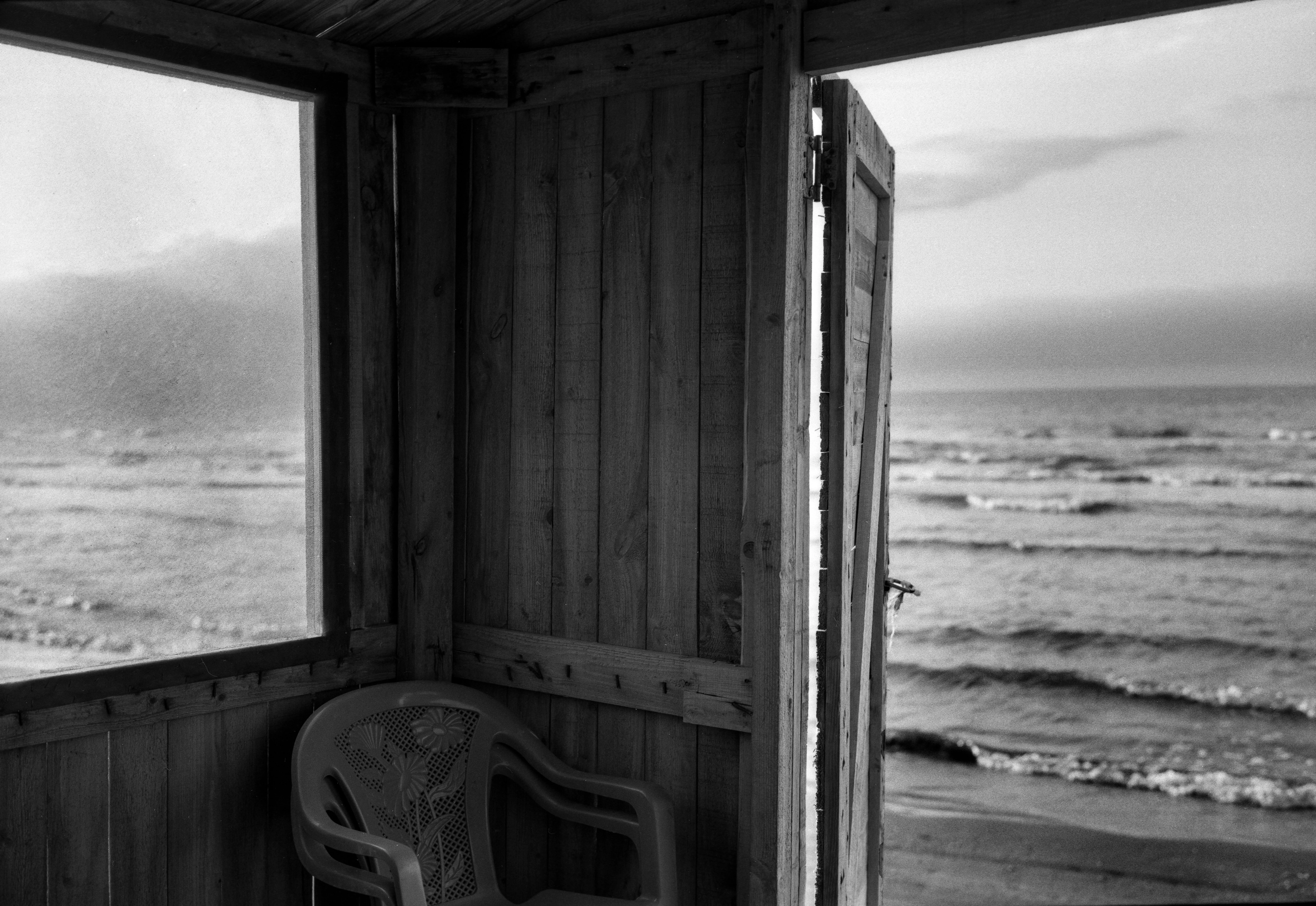
The photograph of a coastal house usually begins with an opening. Glass, horizon, sky. The house appears generous because it has surrendered its wall.
The body knows better.
A view is never only a view. It arrives with wind, glare, traffic, heat, birds, voices and the low mechanical insistence of everything built too close to the water. To open a room toward the sea is to accept an argument, not a picture.
Navy Beach makes that argument visible because the railway refuses to disappear. The lower level holds the ground through concrete. The upper level separates surfaces so that vibration does not pass through the structure as one uninterrupted sentence. The house remains open to the bay while declining to become an amplifier for the site.
There is a moral distinction here. A house that admits everything calls its generosity freedom. Often it is only a failure to decide.
The coast does not need to be brought indoors in its entirety. It is already too large for that. The architecture must edit it before the body can receive it.


II. The Wall Has an Ear
Pallasmaa argued that architecture has allowed the eye to dominate. It accepts the horizon quickly. It accepts the photograph even faster. The hand and the ear take longer.
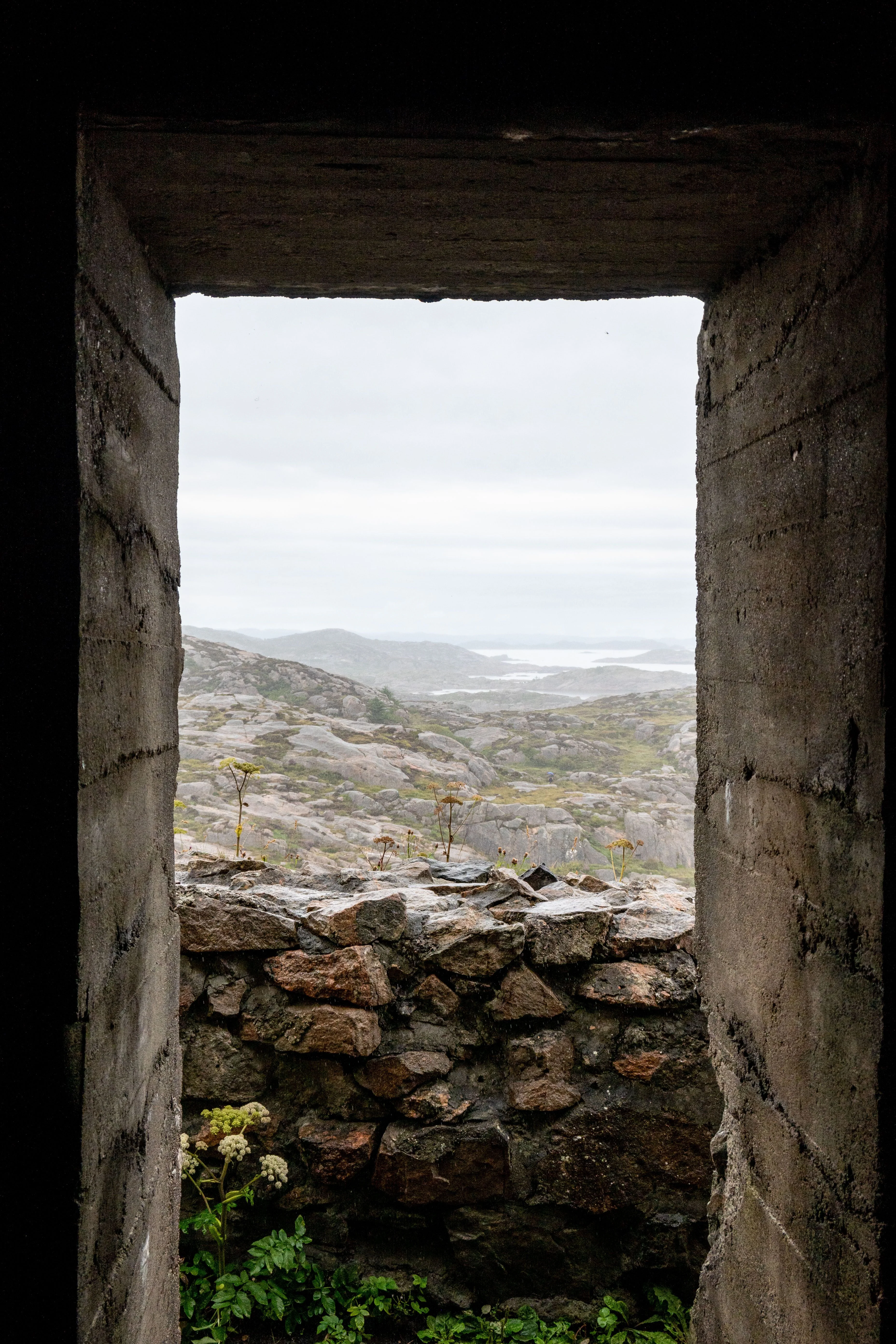
A wall can hold a view and still fail as a boundary. A door can open onto the sea and leave the road inside the bedroom. A room can be flooded with light while the nervous system remains occupied by sounds the eye cannot see.
The photograph cannot show the vibration-isolation clip. It cannot show the distance between the railway and the bed. It cannot show the moment when a train has passed but the room continues to carry its trace through the floor. Architecture is full of decisions that are invisible precisely because they have worked.
This is why the house should be read through its refusals. The thick wall refuses the railway. The layered upper volume refuses a single path for vibration. The falling water refuses to let one external force become the whole acoustic identity of the place.
The house does not silence the world. It prevents the world from speaking in one voice.
III. The Threshold Is a Filter
Tanizaki wrote about shadow as a form of perception. His rooms do not reveal themselves by increasing the amount of light. They become legible through gradation, dimness and the dignity of what remains partially concealed.
Sound requires the same discipline.
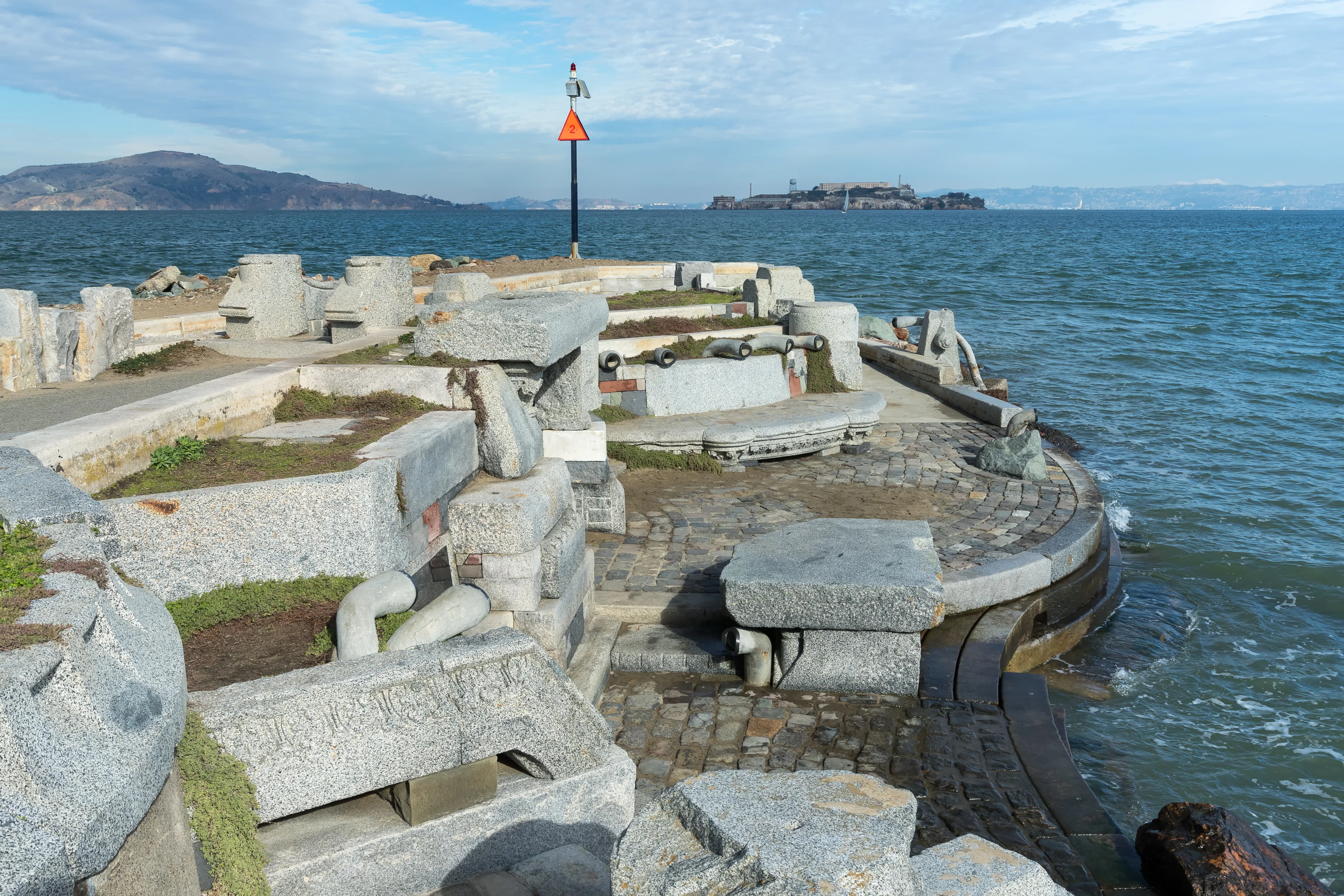
The most generous coastal room is not the one with the largest opening. It is the one that understands sequence. The terrace receives the weather first. The living room receives a softened version. The passage narrows what remains. The bedroom is allowed another order of quiet.
This is not decoration. It is choreography without performance.
A door closes. The road loses its authority. A corridor turns the sea from an event into pressure. The house does not announce that it has protected anyone. It simply reduces the number of negotiations required from the body.
That reduction is the real luxury of a house near water. Not silence. Fewer sounds demanding an answer.
IV. The Coast Must Be Allowed to Remain Difficult
There is a temptation to describe architecture as a way of bringing nature closer. The phrase is attractive because it avoids the harder question: closer for whom, and at what cost?
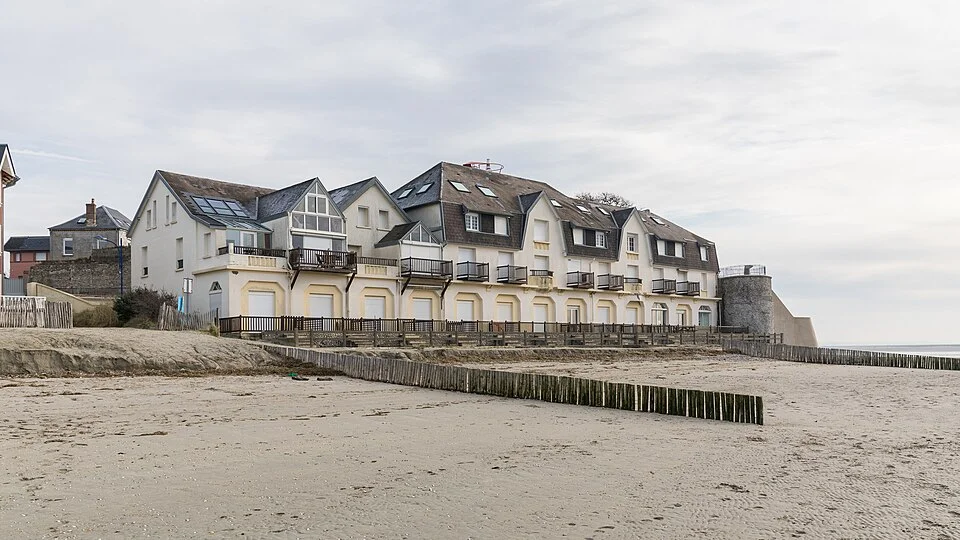
A house that gives the guest the full force of the sea at every hour is not necessarily more connected to nature. It may only be less considerate. The body does not want a permanent view. It wants a changing relation to the view. Morning may ask for the horizon. Night may ask for a wall. A storm may be beautiful from the living room and intolerable beside the bed.
The house has to know the difference before the guest does.
This is where coastal architecture becomes an ethical practice. It offers proximity without demanding submission. It does not turn weather into a spectacle that the guest must endure in order to prove that she is close to the real thing.
The sea is not made more authentic by being allowed to exhaust the person who hears it.
Navy Beach is persuasive because its response is neither retreat nor surrender. The railway remains. The bay remains. The pool adds its own continuous fall. Concrete, timber, separation and water compose a site that cannot be simplified into silence.
The house does not conquer the coast. It argues with it carefully.

VI. The Wave That Arrives Edited
Every experience of nature is edited by a body. The eyelid edits the sun. The hand edits the temperature of stone. The ear edits the sea according to what it can bear, what it has learned and what the room has allowed to reach it.
Architecture does not stand outside that process. It is the instrument that makes the edit deliberate.
This is why acoustic design cannot remain a technical supplement to coastal architecture. It determines whether closeness to nature becomes attention or fatigue. It decides whether the guest can hear the sea as a presence, rather than defend herself against it as an assault.
The distinction is quiet but severe. Shelter leaves the world available. Enclosure removes it. A house with an ear holds the line between the two.
The line may be hidden in a wall embedded into a hillside, in a layer hung apart from another layer, in water falling where the railway would otherwise dominate. It will not appear in the finished photograph. It may not appear in the architect’s most polished description. Yet it is the line on which the stay depends.
The house is not valuable because it has defeated noise. It is valuable because it has decided what noise means.
That decision is a form of hospitality. It gives the guest access to the coast without requiring her to surrender the conditions of sleep, thought or silence. It allows weather to remain weather. It allows distance to remain distance. It permits the outside world to arrive in pieces.
The wave arrives edited.
Not falsified. Not replaced. Edited, as every place becomes real only after the body has decided how to receive it.

.webp)