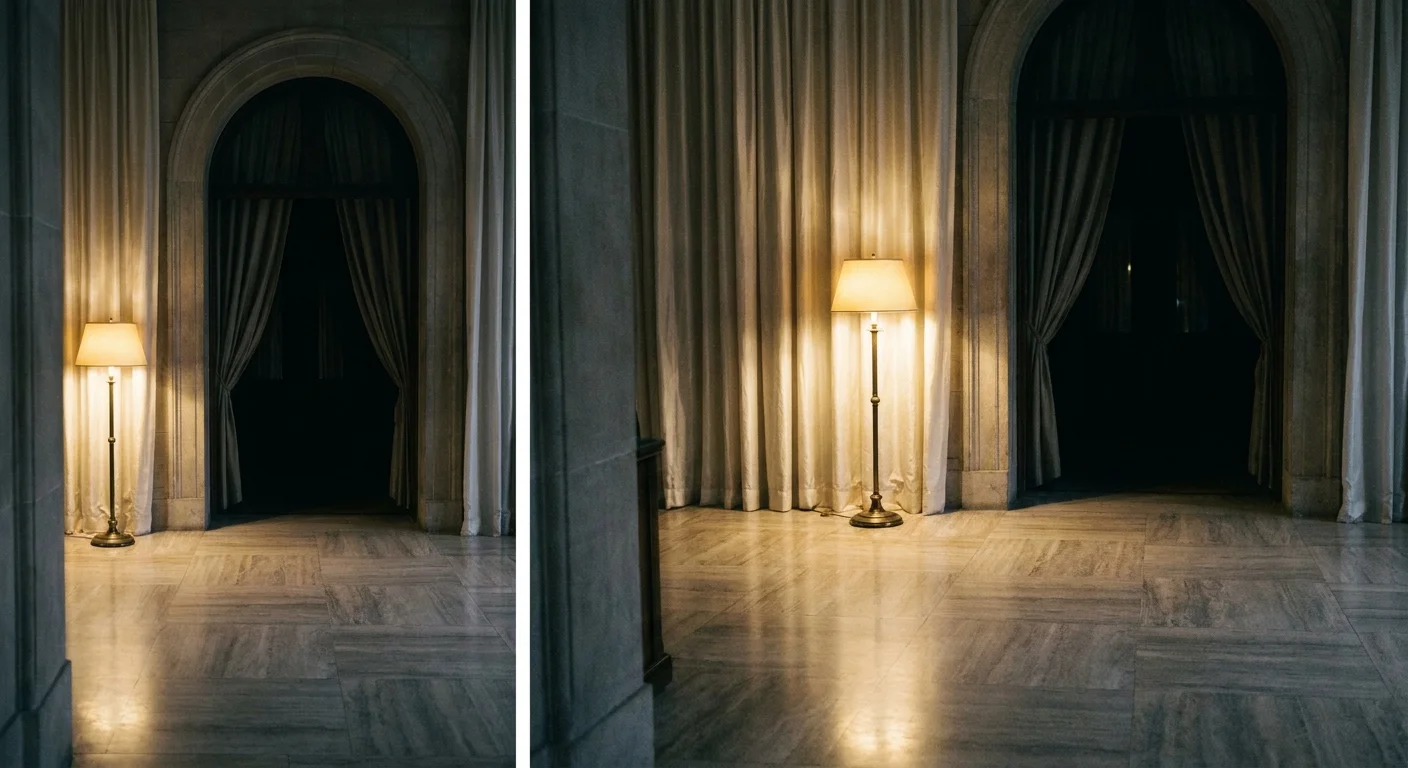
Grand hotels: 9 icons of hospitality that still set the standard
There are hotels that look like luxury — and there are hotels that are luxury. The difference is not price or square footage. It is what remains after you leave: the rhythm of your own steps on cold stone, the silence after a door closes, the brief moment when light in a lobby stops being light and becomes temperature.
Take one detail. In 1889, when Richard D'Oyly Carte opened The Savoy, the hotel had electric light, lifts advertised as "ascending rooms" and constant hot water — in a city where most houses had none of it. Nine years later César Ritz opened his hotel on Place Vendôme with electricity on every floor and private bathrooms in the rooms. The grand hotel was not born as nostalgia. It was born as avant-garde. That is the first thing the modern reader usually gets wrong. The second is the assumption that such a hotel is primarily a building. It is not. It is an institution: a set of habits, memories and relationships that survived wars, bankruptcies, changes of ownership and changes of taste. During the Second World War, Claridge's housed the exiled kings of Greece, Norway and Yugoslavia; the story goes that a diplomat asked to be connected to the King and was told, "Certainly — but which one? " At The Savoy, when thirteen guests sit down to dinner, the fourteenth chair is taken by Kaspar, a wooden cat carved in the 1920s from a single piece of plane tree, served a full place setting. These are not guidebook trivia. They are evidence that in a house like this, ritual can outlive the people who invented it.
Escale Privée does not do rankings, and does not recommend in a hurry. It observes — patiently, like someone who has checked in many times and intends to return. Grand hotels are our laboratories for that observation: institutions of hospitality that spent decades developing a language of luxury so discreet it sounds like silence.
This piece is a selection of nine addresses. Not "the best in the world" — rather, the ones where you can see the mechanism: how a building becomes an institution, how service becomes culture, how history becomes something more than a plaque on a wall. What interests us is sense of place, continuity, service without pressure, and that rare kind of longing you feel when you leave knowing you did not quite touch the whole thing. Read it as a notebook, not a catalogue. Every address follows the same logic: where it came from, what actually sets it apart, and where to look for its real code — the one that is not in the press folder.
Why grand hotels are setting the trend again — not just the standard
In a world where a "beautiful hotel" can be designed from a recognisable playbook — neutral palette, soft sofa, sculptural bathtub, local stone, a spectacular bar — the things that cannot be replicated on a blueprint become disproportionately valuable. Continuity. Ritual. Service. Memory.
The market sees it. Hotel analyses published through 2026 keep returning to two phenomena: flight to quality, meaning capital concentrating on the best and rarest assets, and adaptive reuse — palaces, banks, monasteries and factories converted into hotels, because guests now choose authenticity over generic newness. The industry calls it a "scarcity of truly prime assets". We put it more simply: good addresses cannot be printed on demand.
A grand hotel is not simply a large hotel, and not merely a historic one. It is an address that became part of its city over time — sometimes its drawing room, sometimes its stage, sometimes a private refuge for people who would rather not be seen more than strictly necessary. Which is exactly why its value rises at the moment when everything else becomes repeatable.
I. Continuity is the new luxury. In grand hotels, time is not decoration. It is material.
Look at Danieli. Palazzo Dandolo was built in the second half of the fifteenth century as a private residence receiving princes, cardinals and ambassadors. The hotel function arrived in 1822. Then came Palazzo Casa Nuova — formerly the treasury of the Venetian Republic. Then, in 1950, a third wing. Today it is one organism in which every layer comes from a different century. A new hotel can have better air conditioning. It cannot have that biography. Continuity is also brutally practical: an institution operating for a hundred and fifty years knows things about guests that no satisfaction survey will ever surface.
I. Quiet luxury is an ethic of service, not an interior style.
The best luxury is not loud. It is consistent. It is tact, timing and attention: presence without insistence.
Quiet luxury made a dazzling career as an aesthetic — beige, cashmere, no logos. In hospitality, however, it is primarily a work ethic. The difference between good and great service is not that someone brings more, but when they arrive and when they withdraw. Whether they remember how you take your coffee without making a performance of it. Whether they know when not to ask.
Which is why, once everything else can be bought — the architect, the marble, the Murano chandelier — service remains the only asset that cannot be ordered with a delivery date.
III. Heritage conversions have taken over the definition of prestige.
New icons are rarely built from scratch any more. Increasingly they are palazzi, former residences, banks, houses and institutions that somebody brings back to life at real risk. The best current example is Venice. Orient Express Venezia occupies Palazzo Donà Giovannelli — a building from 1436 that served for almost six centuries as a residence, a salon and a stage for intellectual life, and became a hotel for the very first time only now. The restoration took roughly eight years. Eight years of work for 47 keys: in purely financial terms it sounds like madness; in terms of prestige it is an investment in something the competition cannot build. This is prestige that does not shout. It leaves a trace.4) Hidden access has become editorial currency .
This is not about "secrets". It is about backstage: the small details missing from the press folder. The code of the service. The threshold where the air changes.
Hidden access is also the skill of asking the right questions. Not "what is worth seeing", but: who has worked here longest? Which table in the bar is genuinely the best, and why? What do regulars order that is not on the menu? In a good grand hotel the answers exist. You only need to know that you are allowed to ask.
How we chose the addresses
Heritage and continuity — history that still functions
Architecture and interiors — meaning, not decoration
Service — style, tact, memory
Sense of place — the city written into the experienceIcon status — a reference address.
This is not a complete global list. It is an Escale Privée selection: Europe plus a handful of world icons, chosen to show different definitions of grand hospitality. We deliberately rejected the two criteria that dominate rankings: price and newness. Price describes positioning, not class. Newness describes an investment cycle, not value. We were after something harder to measure: whether an address still produces culture, or merely quotes it.
Nine icons of grand hospitality (the Escale Privée selection)
I. Danieli, Venice — the threshold of the city
Venice does not begin in a square. It begins the moment the stone underfoot turns cold and the air changes weight. Danieli is precisely that kind of threshold: a hotel that does not so much stand beside the city as open the door to its more theatrical layer.
Where it came from. Palazzo Dandolo was completed in the late fifteenth century as a private residence built to receive princes, cardinals and ambassadors — a building designed from the outset for hospitality at diplomatic altitude. It became a hotel in 1822, when Giuseppe Dal Niel leased the first floor, then bought the whole palace and gave it his nickname: Danieli. In 1855 the neighbouring Palazzo Casa Nuova was absorbed — previously the treasury of the Venetian Republic. The final wing, Palazzo Danieli Excelsior, arrived in 1950. Three buildings, three centuries, one organism.
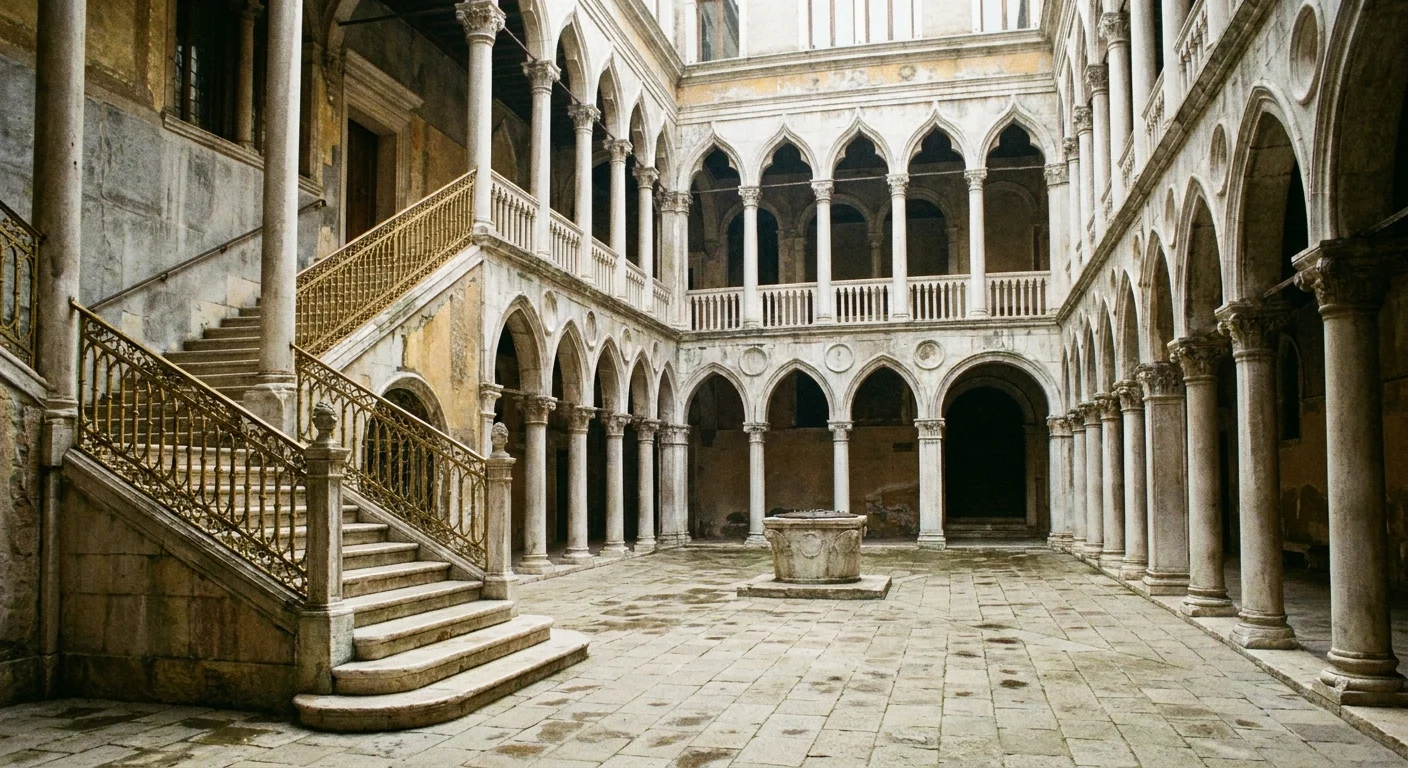
What sets it apart. The guest list reads like the contents page of nineteenth-century literature: Byron, Balzac, Dickens, Proust, Wagner, Goethe. John Ruskin stayed here while working on The Stones of Venice — the book that shaped how Europe looked at Venetian architecture for generations. This is that rare case of a hotel which did not merely host culture but participated in producing it. Architecturally, the key is the four-storey arcaded courtyard in Byzantine-Gothic style and the gilded staircase — an element that does more work than any bedroom, because it puts the body into the mode of "I am entering somewhere that matters".
Why it matters now. On 30 July 2026 the address reopened as Danieli, Venezia, A Four Seasons Hotel, after a major restoration carried out with the owner, Gruppo Statuto. It opens with 120 rooms and suites, 52 of them suites; the full count will rise once work on Palazzo Danieli Excelsior is complete. Terrazza Danieli, the rooftop restaurant looking across to San Giorgio Maggiore, has returned refreshed; the spa is coming online in phases. This is not a change of signage — it is a signal that the largest brands are now investing in heritage, because heritage has become a scarcer currency than design. The risk worth naming. Every restoration of this kind answers one question: does the hotel still feel like Danieli, or like a very well-executed interpretation of Danieli? The answer is not in the materials. It is in the tempo of the service, and in whether the entrance still has drama. Hidden access: watch how the staff "conducts" silence. In a real grand hotel, silence is not the absence of sound but the result of how work is organised.
Who it is for: anyone who wants a Venice that is sensory rather than photographic.
I. Orient Express Venezia — a new classic before it has time to become one.
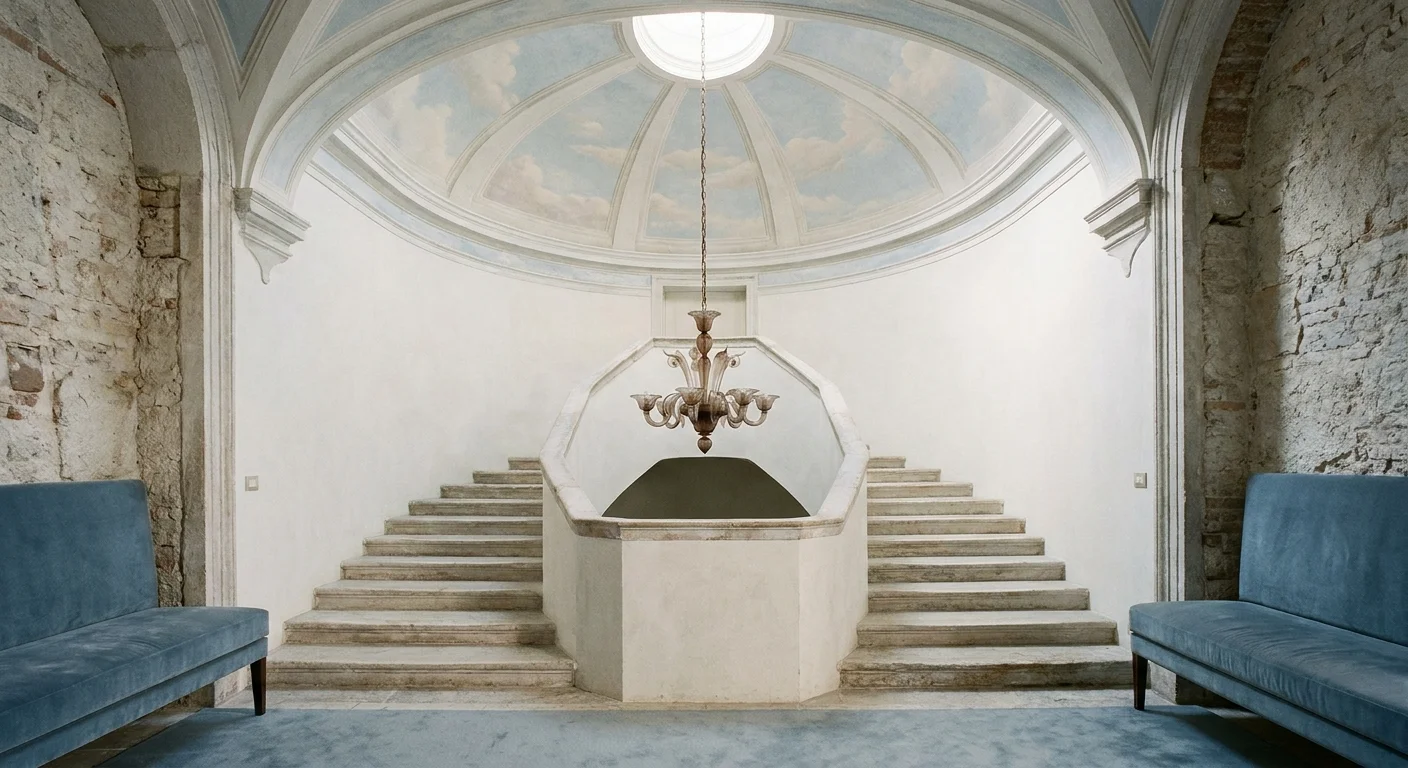
Not every new hotel is genuinely new. Sometimes the newness is a layer applied to a very old skeleton — which is exactly what gives it weight. Where it came from. Palazzo Donà Giovannelli was built in 1436 where two canals meet in Cannaregio. It was home to the Duke of Urbino, then to the Donà and Giovannelli families. The turning point came in the mid-nineteenth century: Count Andrea Giovannelli hired Giovanni Battista Meduna — the architect associated with the restoration of the neighbouring Ca' d'Oro and with La Fenice — to redesign the interiors. Meduna left the building's most theatrical gesture: an octagonal staircase crowned with a vault imitating the sky.
What this house was before it was a hotel. In 1847 its salons hosted the Ninth Congress of Italian Scientists — so not merely a residence, but a stage for public debate in a decisive decade of Italian history. Salone Vittoria, which remembers the wedding of Princess Vittoria Farnese, now works as a breakfast and events room. For a period, Giorgione's The Tempest — one of the most enigmatic paintings in European art — hung in these interiors. It is hard to find a better metaphor for a Venetian palazzo: a private museum pretending to be a home.
What has been done with it now. The restoration took around eight years and produced 47 keys — rooms, suites and residences. The project was led by Aline Asmar d'Amman, whose method she describes in her own formula: the duality of patrimony and reinvention. In practice that means bespoke Murano chandeliers beside raw stone, velvet beside tapestry, Fortuny-fabric cushions in a lobby installed in the former open courtyard. A private garden hidden behind the walls has been opened up, and a narrow passage named Calle Meraviglia hosts rotating art presentations. One suite holds a Carlo Scarpa chandelier from 1958 — a detail no new hotel can buy, because such things are not in catalogues. The tables. The culinary programme is led by Heinz Beck, a chef with three Michelin stars: an intimate restaurant in the former orangery, an all-day room that plays on Venetian social mythology, and an art déco bar that nods directly to the salon cars of the legendary train. It is the joining of the brand's two identities: the journey and the place. Why it matters. Eight years of work for 47 rooms makes no sense on a spreadsheet. It makes sense as a declaration: prestige need not mean building from zero. It can mean the courage to enter an existing history and add a layer that will not look like an error in twenty years.
Hidden access: look at the transitions — corridors, staircases, thresholds. In restorations, that is where you see fastest whether anyone cut corners. Who it is for: anyone who likes newness, but not in the form of a new hotel.
III. Le Bristol Paris — the palace that does not perform
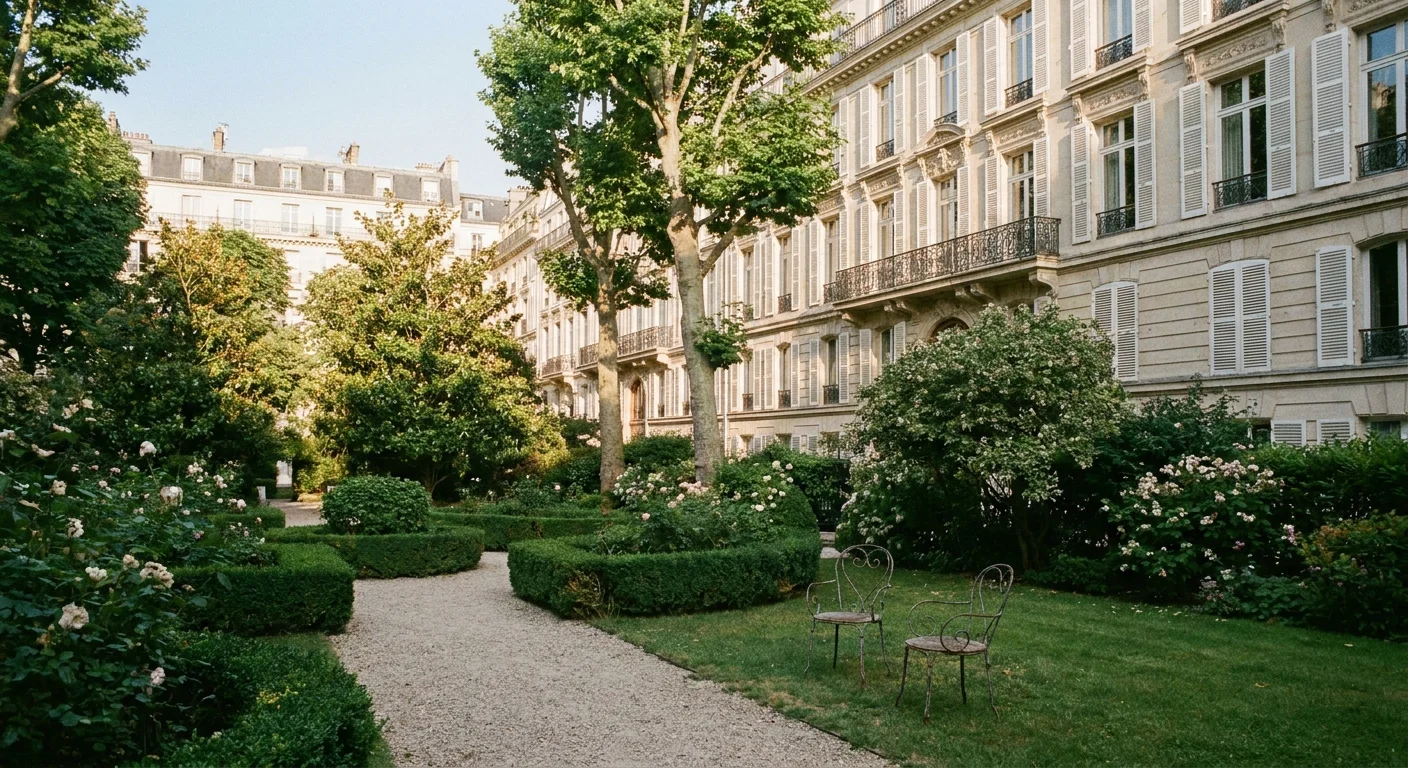
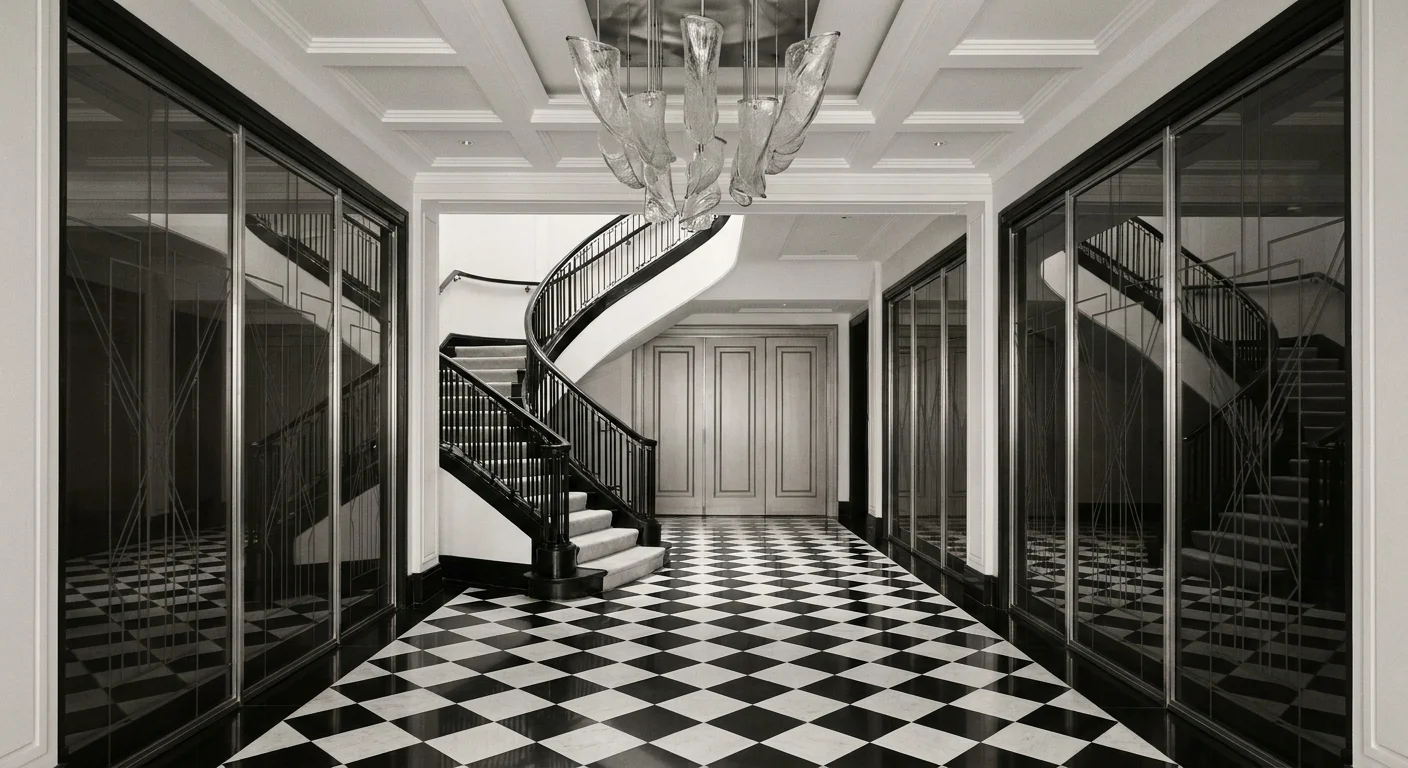
In Paris it is easy to find a hotel-as-theatre. Le Bristol is closer to a house — if a house can have an address at 112 rue du Faubourg Saint-Honoré, the Élysée Palace for a neighbour and a century of elegance behind it.
Where it came from. In 1923 the thirty-year-old Hippolyte Jammet bought the faded residence of Count Jules de Castellane intending to create one of the most luxurious hotels in the city. It opened in April 1925. In 2025 the hotel turned one hundred — and, rarely, did so without needing to reinvent itself. What the word Palace means here. France maintains a category above five stars: the Palace distinction, awarded since 2010 through a procedure run by Atout France, assessing location, historical value, quality of service and personalisation of the experience. The status is periodic and must be renewed — it is an audit, not a lifetime medal. Le Bristol belongs to the very narrow group of addresses that helped define the category. What sets it apart. Three things you do not see at first glance. First: a garden of more than a thousand square metres, hidden inside the block — in Paris, rarer than a view of the tower. Second: a rooftop pool designed by the naval architect Cäsar Pinnau as a 1920s yacht deck, with teak and a trompe-l'œil stern, kept at constant temperature and without chlorine. Third: the kitchen. Epicure has operated at the top of the Michelin hierarchy for years, and the hotel runs a second, less formal culinary address alongside it. This is a house that treats gastronomy as identity, not amenity. And one detail that says everything about the tone. Le Bristol keeps a cat. First Fa-Raon, then Socrate — with its own place, its own bowl and a status no guest disputes. A hotel that permits itself that kind of non-obviousness is confident of its class. Insecure addresses never risk humour.
Hidden access:notice the moment when a member of staff appears exactly when needed — and vanishes without trace. Here that is not luck; it is a rehearsed standard.
IV. Hôtel de Paris Monte-Carlo — an institution of status
Monte-Carlo is not just a place. It is a ritual. Hôtel de Paris Monte-Carlo is its heart: the grand hotel as social infrastructure, a drawing room of status, and the set for a world that lives on the border between privacy and spectacle. Where it came from. The hotel was inaugurated in 1864 on Place du Casino, as part of the vision of François Blanc — the man who turned a rock above the sea into a global entertainment brand. Blanc wanted "a hotel that surpasses everything". Read that literally: the point was not comfort but symbolic position. Successive decades added extensions and reworked the state rooms, and the hotel's present form is the result of a multi-year modernisation begun in 2014 and closed around 2020, communicated plainly as the "rebirth of an icon".
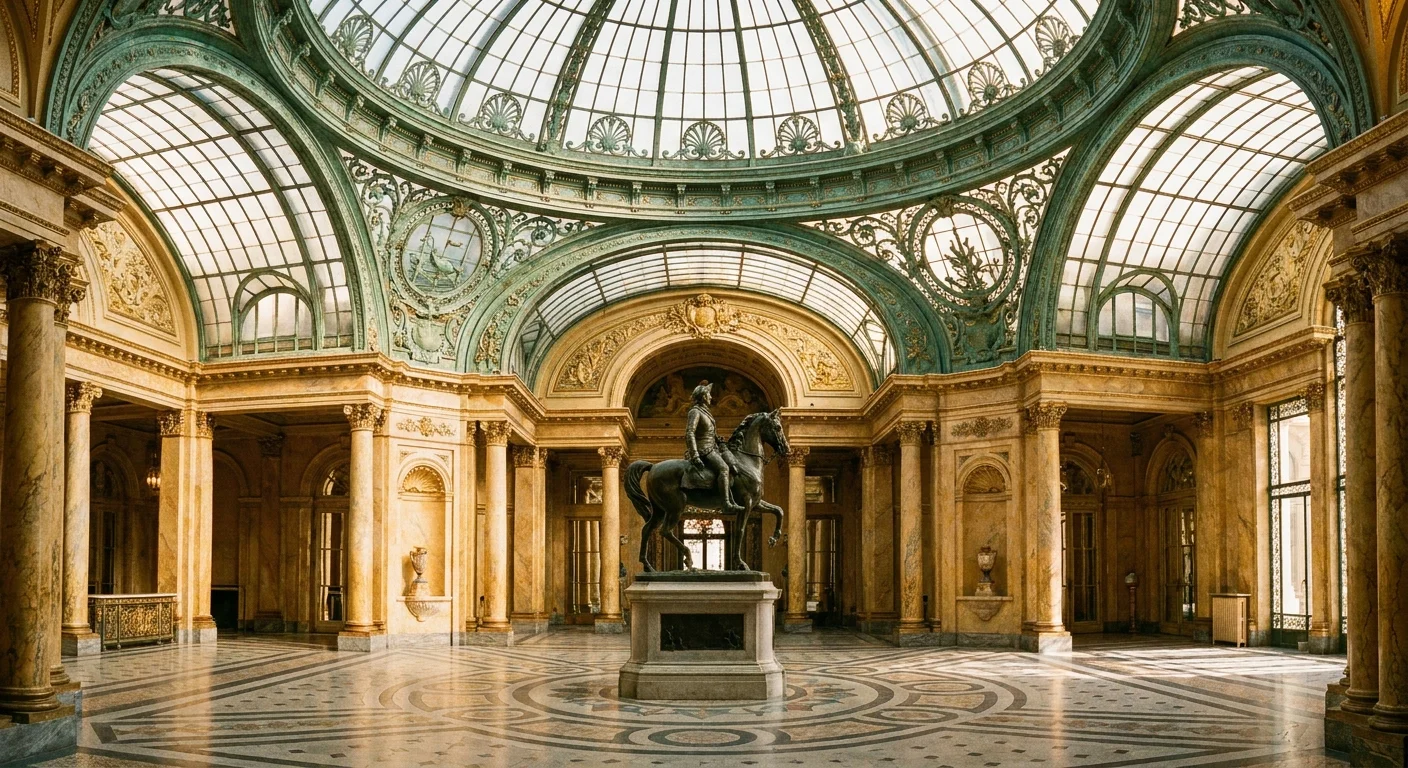
What sets it apart. Three layers operate simultaneously. First: a lobby with a dome full of marine motifs and an equestrian statue of Louis XIV whose knee has been polished by the hands of guests hoping for luck at the casino — one of the few cases where superstition became an act of conservation. Second: gastronomy at the highest level, with a restaurant signed by Alain Ducasse operating here since 1987 and a rooftop grill which, according to the legend of the house, exists because Maria Callas wanted to dine with a view of three countries at once. Third: cellars established in 1874, holding roughly 350,000 bottles, including items that are not for sale but for safekeeping — cognacs from the early nineteenth century and legendary Bordeaux vintages.
Who came here. The Prince of Wales, later Edward VII. Alexandre Dumas. Offenbach. Sarah Bernhardt. Callas. Dalí. Chaplin. Churchill. That list is not ornament — it explains why the public spaces here matter more than the bedrooms. In Monte-Carlo the grand hotel is not a refuge. It is a place where one appears.
Hidden access: judge the hotel by the bar, not the lobby. If at ten in the evening the bar has a life of its own and draws people who are not staying there, it is an institution. If it is as quiet as reception, it is only a hotel.
V. Claridge's — quiet luxury in its absolute form
Claridge's is routinely cited as the definition of quiet luxury, but that is shorthand. In practice it is about consistency sustained across more than two centuries — a harder assignment than any interior scheme.
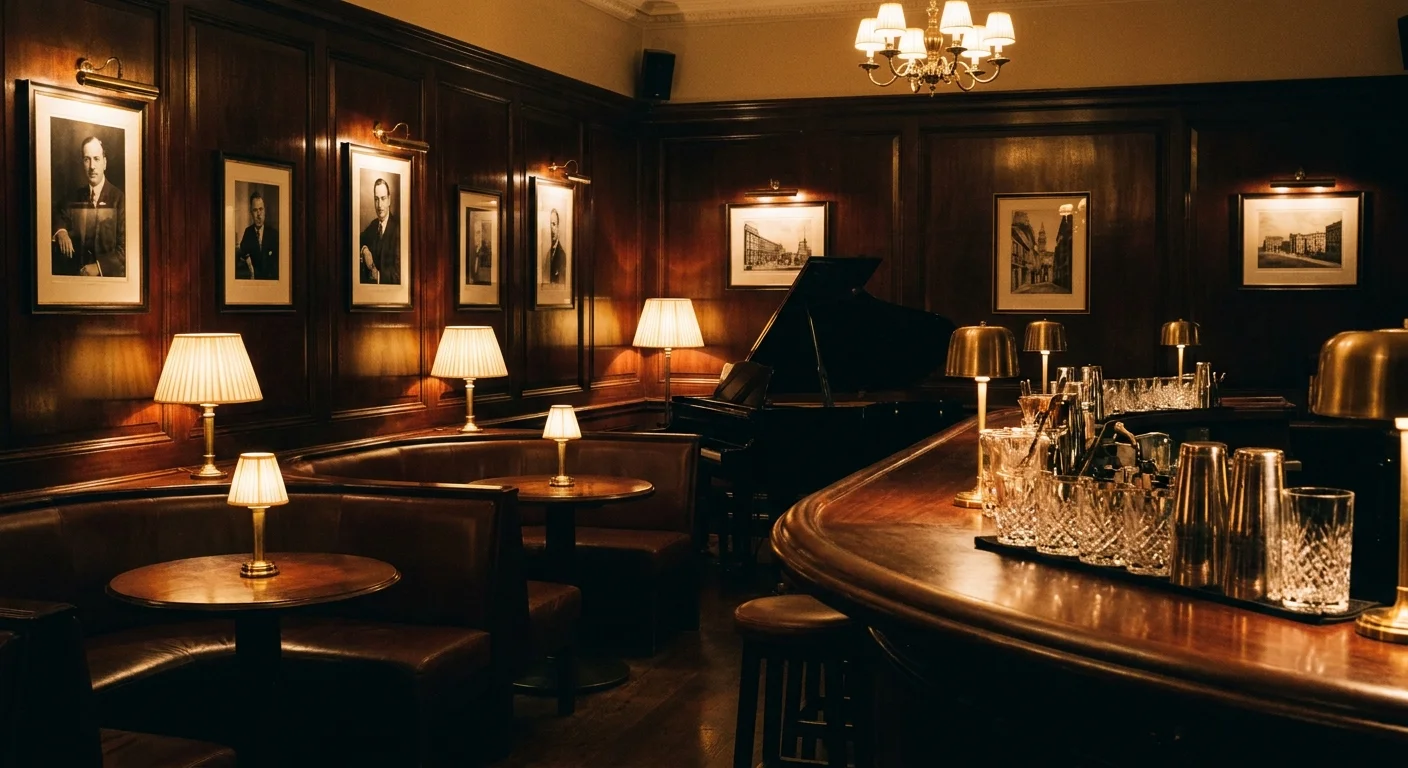
Where it came from. In 1812 James Mivart opened a small hotel under his own name on Brook Street in Mayfair. In 1854 it was bought by William and Marianne Claridge, who for the first years advertised themselves cautiously as "Claridge's, late Mivart's" — because in London reputation was a more valuable asset than signage. Only later did the predecessor's name disappear from the front. In 1895 the hotel was acquired by the group behind the Savoy and almost immediately rebuilt from the ground up, gaining lifts and en-suite bathrooms. The moment that set everything. In 1860 the Empress Eugénie stayed here — and Queen Victoria came to visit her. One visit, one item in the press, and the address on Brook Street became what it remains: the place where monarchy feels private. During the Second World War it housed exiled monarchs and presidents of several European states. There is also the story that in 1945 one of its suites was formally declared Yugoslav territory for a day so that the heir to the throne could be born on his own soil — a tale too good not to repeat, and too thinly documented to treat as fact. That such legends attach themselves to one specific hotel is itself information about its standing.
The layer that decides how it looks. The modern character of Claridge's was shaped in the 1920s and 1930s: glass screens and detailing by Basil Ionides, and a new wing and ballroom by Oswald Milne. That is why the hotel reads as nineteenth- and twentieth-century at once: heavy Victorian bones, art déco skin. Later decades added further layers — from Thierry Despont's work in the 1990s to contemporary suites by various architects, including a duplex residence by André Fu. Instead of one authorial gesture there is a sequence of decisions, held together by a single culture of service.
How it sounds in one sentence. Spencer Tracy reportedly said: "Not that I intend to die, but when I do, I don't want to go to heaven — I want to go to Claridge's. "
It is a joke about something serious: a hotel can become a point of reference more important to people than the city around it.
Hidden access: ask for what is not on the menu. Houses with this much memory keep a "second tier" of hospitality, invisible to anyone in a hurry.
Who it is for: people who would rather be recognised than noticed.
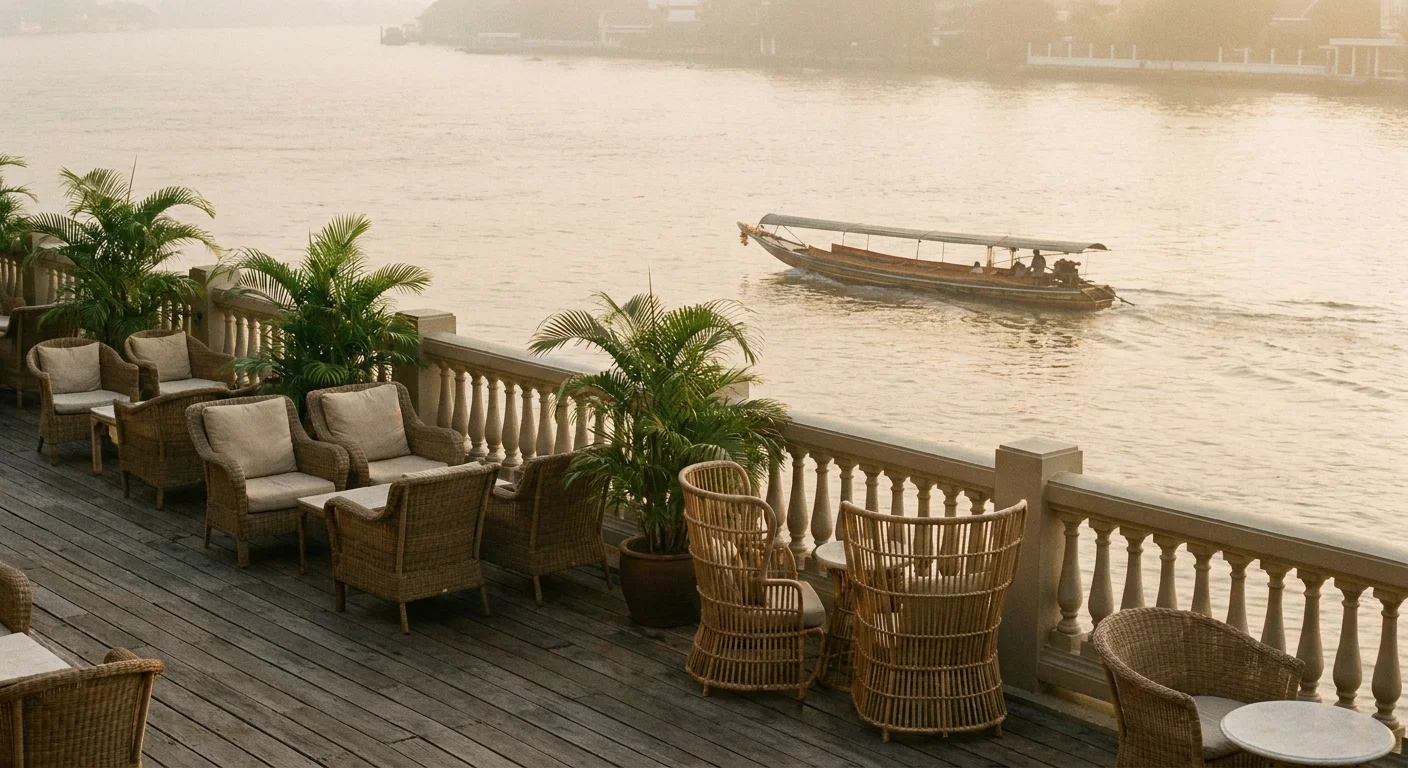
VI. The Savoy — the hotel as the city's stage
If Claridge's is a house, The Savoy is a stage — and that is genealogy, not metaphor.
Where it came from. The hotel was built with money made from operetta. Richard D'Oyly Carte, impresario to Gilbert and Sullivan, put the profits from his productions — above all The Mikado — into a hotel beside his own theatre. It opened on 6 August 1889. The architect was Thomas Edward Colcutt. The result was the first hotel in Britain that genuinely deserved the word luxurious. Why it was a revolution. Electric light throughout. Lifts marketed as "ascending rooms". Constant hot and cold water in an unheard-of number of bathrooms. Speaking tubes to summon staff. The press wrote about its bathrooms the way we now write about technology. This was not a hotel reproducing a standard — it was the hotel that invented one.
The duo that created modern hospitality. Its first manager was César Ritz, and its kitchen was run by Auguste Escoffier. This pairing produced the rules the industry still lives by: the kitchen brigade, the cult of punctual service, the hotel restaurant as a destination in its own right. Here Escoffier created, for the singer Nellie Melba, a dessert that has stayed on menus worldwide ever since. Ten years later both left to build their own legends in London and Paris — which makes the Savoy not just a hotel but an incubator for an entire category. Two details no brand manager would invent. Savoy Court, the short drive in front of the hotel, is the only road in Britain where traffic keeps to the right — designed so that passengers stepped out on the theatre-entrance side. And in the Pinafore Room, when thirteen sit down to dinner, the fourteenth chair goes to Kaspar: a wooden cat carved in the 1920s from a single piece of plane tree, who receives a full place setting and his own napkin. Michael Morpurgo wrote a book about him. No agency would design that on purpose — it accretes, over decades. The bar. The American Bar is London's longest-surviving cocktail bar, and its menus set the canon of mixology for years. In the same hotel Churchill co-founded a political club intended to outlast party divisions. The Savoy did not merely host London society — it organised its calendar.
Hidden access: come for a drink like a local, not like a guest. If the bar functions as the city's drawing room, the hotel has a life of its own.
Who it is for: people who want to be inside the city, not beside it.
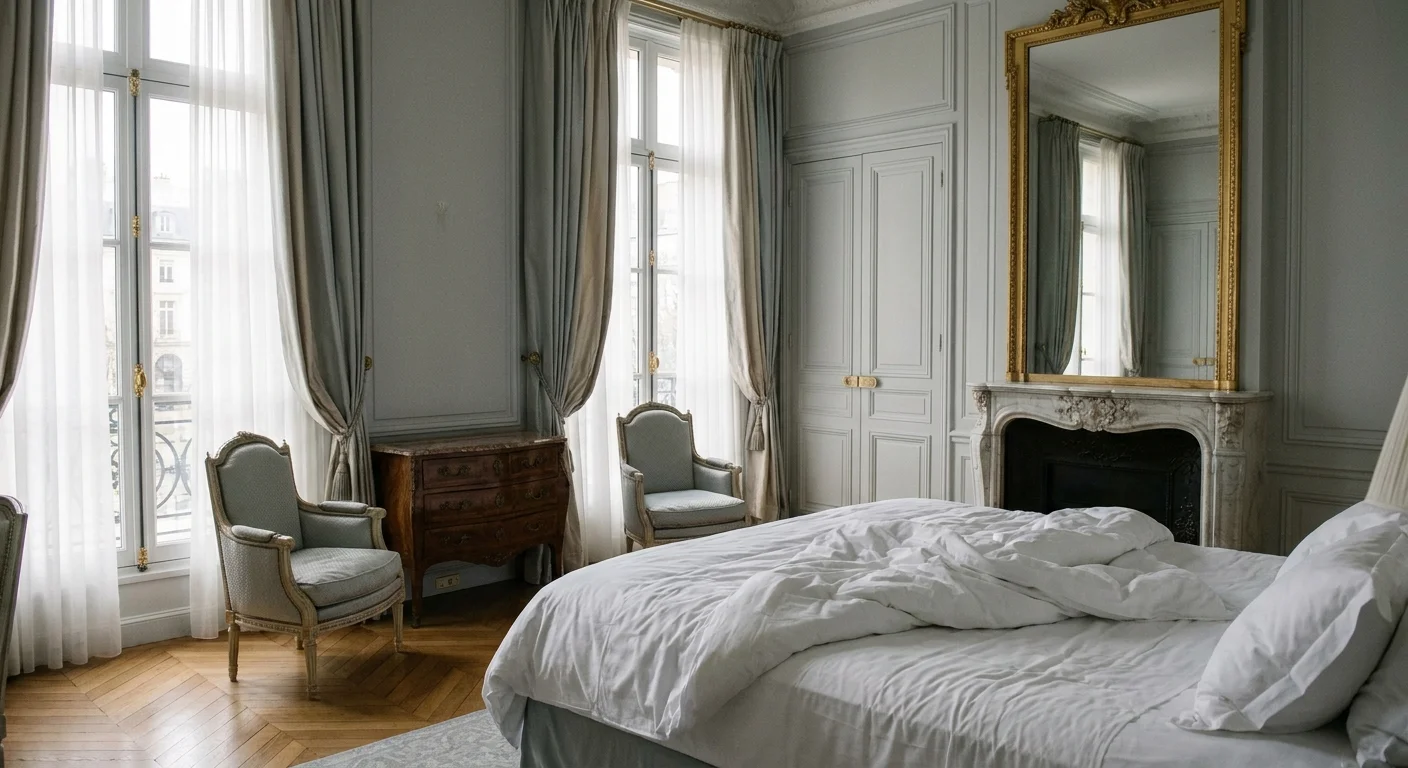
VII. Raffles Singapore — a myth with a street address
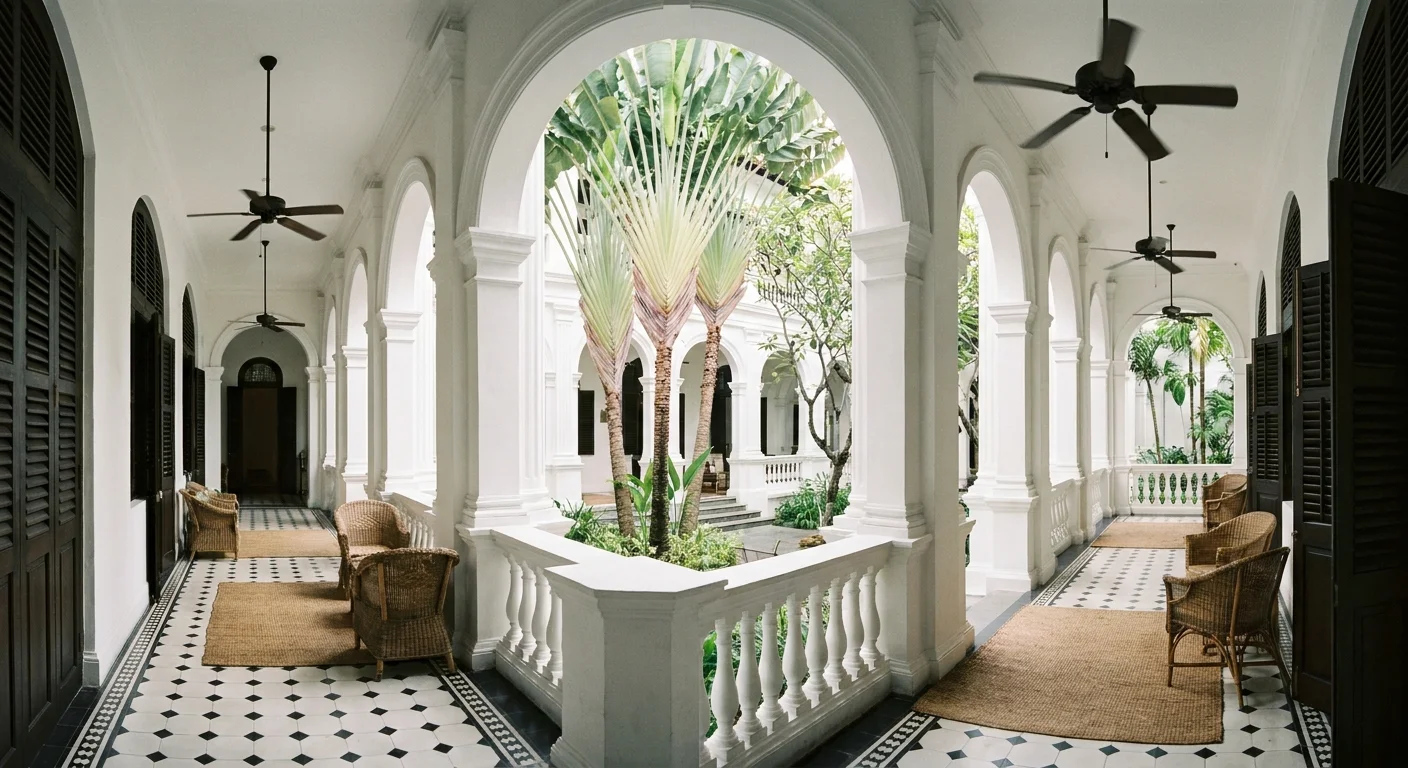
Raffles is a legend with a house number. Where it came from. On 1 December 1887 the Armenian Sarkies brothers opened a ten-room bungalow in Singapore and named it after Stamford Raffles. From that bungalow — through subsequent decades, subsequent wings and the work of the architect R. A. J. Bidwell — grew the white colonnaded architecture recognisable from a single photograph. The history was not smooth: the brothers went bankrupt during the Great Depression, and at the end of the Second World War the hotel served as a transit camp. An address that now signifies calm passed through every possible convulsion of the twentieth century.
Literature as an asset. Somerset Maugham wrote the line the hotel still quotes: Raffles "stands for all the fables of the exotic East". Kipling and Conrad stayed here, later Chaplin, Elizabeth Taylor, John Wayne, Karl Lagerfeld. Which is why some suites carry guests' names and references to the city's history rather than category numbers — the hotel treats its own memory as an architectural plan.
The world's most famous drink, and what it actually meant. The Singapore Sling was created in the Long Bar around 1915, attributed to the bartender Ngiam Tong Boon. The intention is the crucial part: the cocktail was meant to look like an innocent fruit punch, because the etiquette of the era did not allow women to drink alcohol in public. That is not bar trivia; it is a social document — luxury could function as a way around rigid rules. A restoration that refused to be a remake. Work carried out in phases from February 2017 concluded with the full reopening on 1 August 2019. The direction was set by Alexandra Champalimaud with the architectural team. The communication used one word consistently: restoration — not "reinvention". The result: 115 suites in nine categories, each with its own veranda, from compact rooms to presidential apartments. The conventional lobby reception desk is gone: a guest is received, not "processed". Dining was opened to the world, with names from the very top of French cuisine, but the Tiffin Room still serves Indian curry, as it has for over a century.
Hidden access:do not ask what is worth seeing. Ask what life is like here at six in the morning. In the tropics, that is the hour when a hotel is most itself.
Who it is for:people who want the myth without the costume.
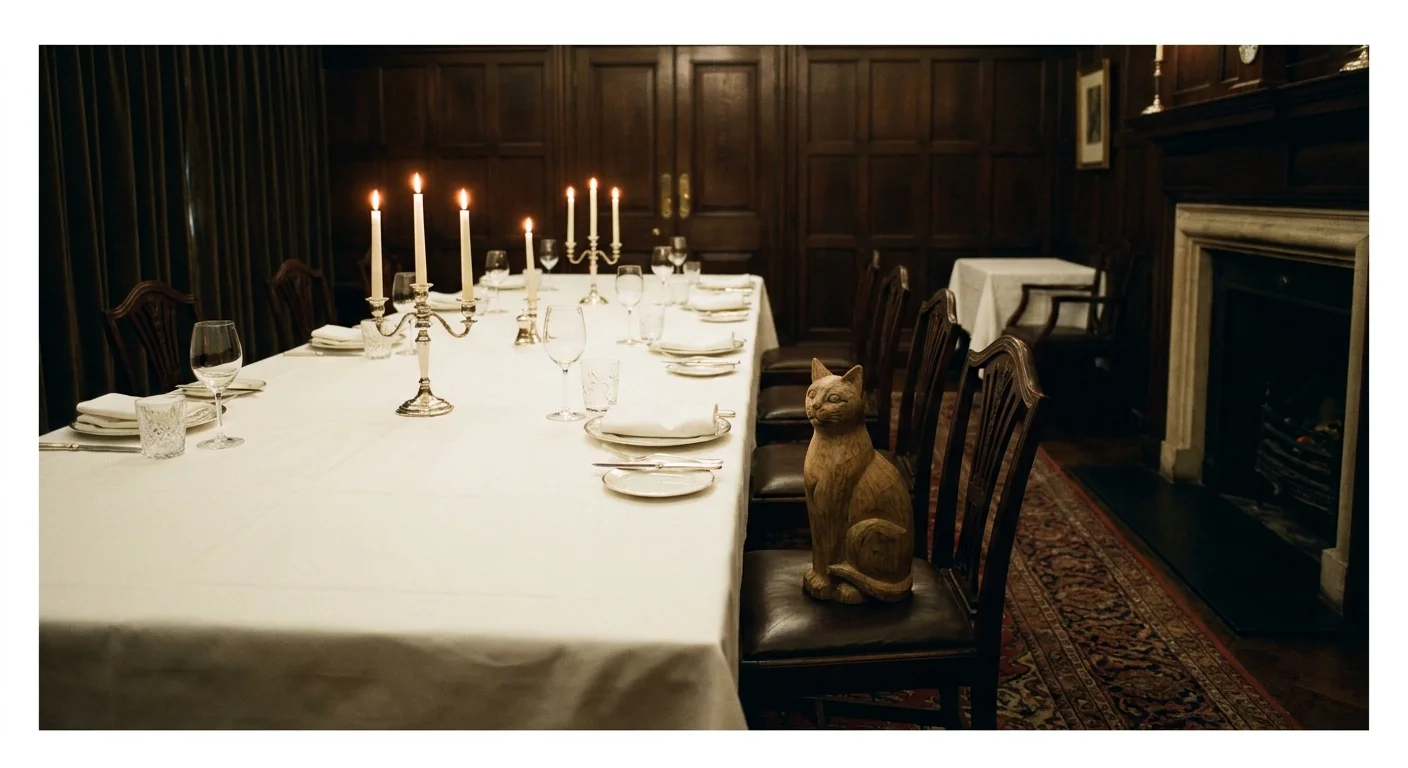
VIII. Mandarin Oriental Bangkok — the choreography of service.
Mandarin Oriental Bangkok is about service. About choreography that does not look like choreography. And about a river that sets the rhythm of the whole day.
Where it came from. The first Oriental Hotel — founded by seafarers, in a port open to European trade — burned down in 1865. The date the hotel claims as its own is 1876; some hotel historians point to earlier traces of activity on the site, which is itself a rather elegant proof of the address's age. It was Thailand's first luxury hotel and the first significant house on the Chao Phraya — at a time when the river was not a view but the only serious road into the city.
Diplomacy and literature. In 1891 the King of Siam received the future Tsar Nicholas II here. Three years earlier Joseph Conrad had stayed — as a merchant navy officer, not a writer. Later came Somerset Maugham, who survived malaria in Bangkok, and Noël Coward. Today the only surviving part of the nineteenth-century building is the Authors' Wing, with suites named after those writers. The adjoining Authors' Lounge — wicker, rattan fans, French windows, framed photographs — still enforces a dress code and the ritual of afternoon tea. This is rare: a hotel that preserved not just walls but the temperature of a specific era.
Jazz and teak. The Bamboo Bar was Bangkok's first jazz bar and still programmes live music after its restoration. The Oriental Spa, opened in a restored teak house on the far bank, was the first of its kind in Thailand and still requires a short crossing by hotel boat — a banal logistical detail that turns a treatment into a journey. The riverside wing recently underwent a thorough and very costly modernisation inspired by royal barges.
Why it is in this selection. In 2026 the hotel marks one hundred and fifty years and speaks about itself in the language of "unfolding legacies". Continuity of that length does something to service that cannot be trained in a year: staff work here for decades, often across generations of the same family. A grand hotel in Asia is not about opulence. It is about someone noticing before you do.
Hidden access:watch who greets guests at the jetty. In this hotel the real hierarchy of competence sits on the water, not behind a desk.
Who it is for: people who value service above architecture.
IX. The Ritz Paris — the canon
The Ritz is the canon — to the point where its name entered the language as an adjective. But a canon has to be maintained daily, or it turns into a museum with staff.
Where it came from. On 1 June 1898 César Ritz opened his hotel at 15 place Vendôme, behind an early-eighteenth-century façade designed by Jules Hardouin-Mansart and adapted for hotel use. Ritz arrived directly from the Savoy in London and brought his own doctrine: a private room should be as good as an aristocrat's home, not as ceremonial as a railway station. Hence electricity on every floor and private bathrooms attached to the rooms — things that simply did not exist at the time. The price of greatness. Four years after opening, Ritz suffered a nervous breakdown and effectively withdrew from management; his family took over the hotel. The man who defined modern hospitality did not live to see its triumph in full health. It is the least-quoted part of this story and probably the most human.
The myth that lived upstairs. Coco Chanel spent close to forty years in the hotel and died there — her apartment was not an occasional residence but a home address. Marcel Proust dined here and treated the room as observational material. Hemingway attached himself to the bar so firmly that it now carries his name; the story of "liberating" the hotel bar in August 1944 has surely been smoothed by repetition, but it describes a real relationship between the writer and the place. The names of the grandest apartments come directly from these guests — the hotel has catalogued its own mythology as an offer.
Reconstruction. The hotel closed in August 2012 for a restoration that proved longer and harder than planned — in January 2016 a fire broke out in the roof, fought by dozens of firefighters, a few months before the reopening. The Ritz finally returned on 6 June 2016, after four years of work. It gained the world's first Chanel spa, a garden redesigned by Jean Mus and a cooking school continuing Escoffier's tradition. It kept the hardest thing of all: a scale at which a hotel with more than a century of history still has a relatively small number of keys.
Why it closes this list. Because it shows the full cycle: revolution, myth, crisis, reconstruction, return. A grand hotel is not a state. It is a process that somebody manages to sustain.
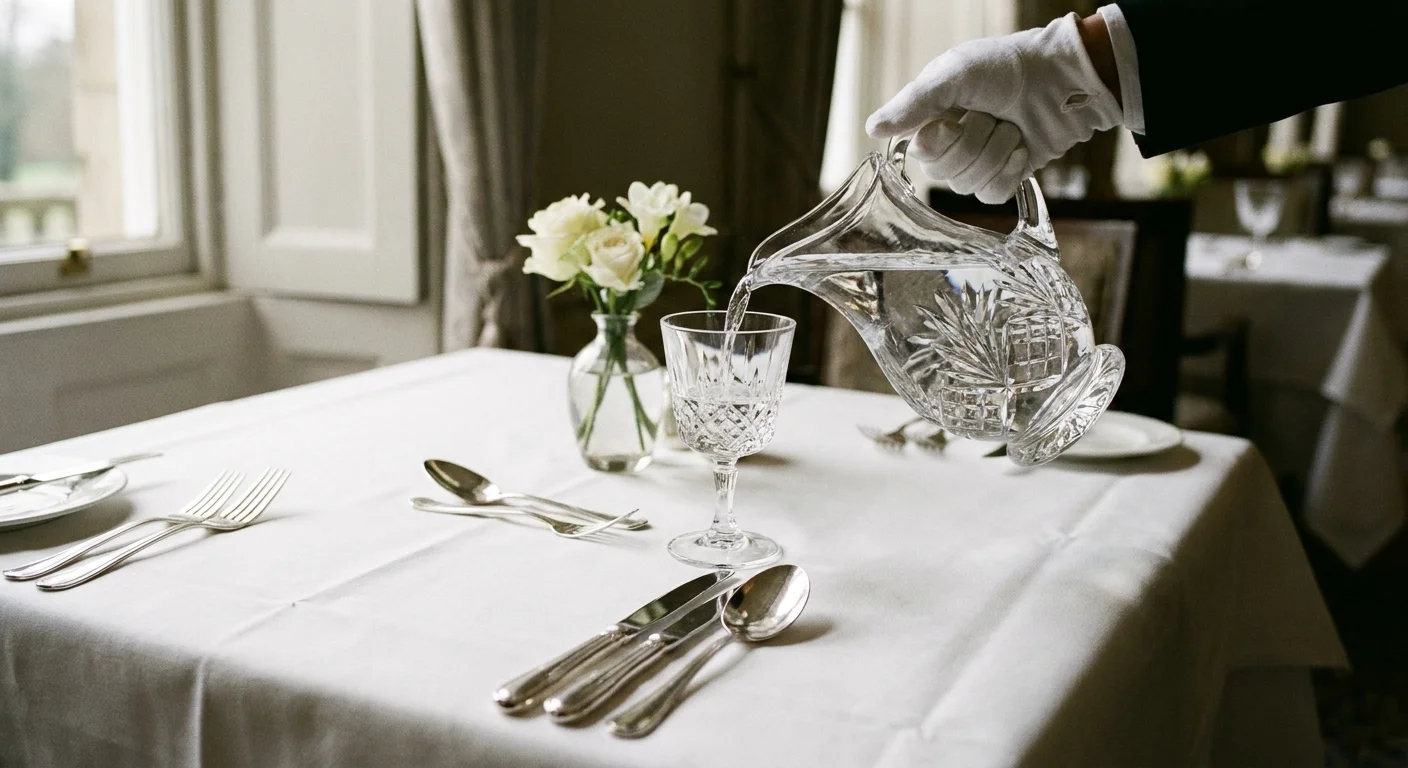
Hidden access: check whether the legend works in small gestures — how water is poured, how your name is pronounced. Icons do not live on memory. They live on standards.
Who it is for: people who want to see the reference point, not a copy of it.
How to book intelligently
In grand hotels the most expensive room is almost never the best choice. Historic buildings have no repeatable floor plans: two rooms in the same price category can differ in ceiling height, window arrangement, proximity to a lift shaft, or whether you can hear deliveries at seven in the morning. A category describes price, not experience. So book an address like this the way you would order bespoke tailoring, not the way you pick a size.
Ask for a specific room, not a category. Hotels with long histories can pre-assign a number if you ask and explain what matters: quiet, view, height, a bath by the window, no lift next door. "I would rather have calm than a view" works better than asking for an upgrade.
Buy lower and ask well. The sensible strategy is the cheapest category in your chosen wing plus a clearly stated priority — not the highest category with no instructions at all. Grand hotels reward precision, not expenditure.
Shoulder season over peak. Venice in November, Monaco outside Grand Prix weekend, Bangkok in the season the guidebooks discourage. The hotel returns to its own rhythm, and the service has time — which at peak is the scarcest commodity of all.
Treat public spaces as part of the booking. Tables at the starred restaurant and seats in the bar at the good hours disappear faster than rooms. Reserve them in the same correspondence as the room — it also signals to the hotel what kind of guest you are.
Use the concierge for hard things, not easy ones. A restaurant you can find online is not a test. A private viewing before opening hours, a visit to a craftsman's workshop, entry to a place that does not sell tickets — that is.
Check the restoration phase. In 2026 several addresses on this list are operating in stages: some rooms, restaurants or spas may open later. One email prevents disappointment on arrival.
Plan two nights minimum. A grand hotel reveals itself on the second day — when the staff know your rhythm and you stop sightseeing your own room.
Do not chase a checklist. In a house like this the point is not to tick off attractions. The point is to have, for once, no plan at all.
Editor's note — Escale Privée
All nine addresses share one quality that cannot be written into an investment brief: somebody kept them in shape during the years when nobody was watching. Through wars, bankruptcies, changes of fashion and changes of ownership. A grand hotel is therefore not a monument to success. It is evidence of persistence — and that is its most contemporary quality, in a world that insists on reinventing everything every five years.
So the point is not to "see" a hotel like this. The point is to notice how it works: who is in their twentieth year here, which ritual survived three changes of owner, where the restoration had the courage to leave something alone. That is a reading that cannot be compressed into a photograph.
The best addresses do not ask to be admired. They change your tempo. They remind you that luxury rarely consists of adding — usually of subtracting precisely: noise, pressure, excess, the need to prove anything at all.
If you leave without a sense of something unfinished, you probably were not looking carefully enough.