When it gets too warm, a hotel starts to reveal what it truly is. Not what it promises in photographs, but what it can hold together when the world outside loses its rhythm: when night brings no relief, when air thickens with dust, when water is no longer a given, and power becomes provisional. On days like this, guests don’t look for attractions. They look for shelter that doesn’t look like shelter. They look for a place that doesn’t need to explain itself—because everything simply works. A new phrase has begun to circulate in the industry: climate concierge. It sounds like the next trend, but it’s closer to an admission that the change has already arrived. The concierge stops being the person for restaurant tables and “tomorrow” tickets. More and more, the concierge becomes a system—quiet architecture of decisions that protects a stay from heat, smoke, water under stress, and weather that no longer behaves predictably. This is not a piece about gestures. About towels and little cards asking you to “save the planet.” This is about hospitality in a world that’s warming—and about hotels that understood that comfort today isn’t about add-ons, but about continuity.
Industry quote: “Forget free wine hours and on-demand workout videos. An increasing number of hotels around the world are now providing guests the option to book rooms with filtration and purification systems that minimize threats of air pollution and offer cleaner air.” — Shivani Vora, The New York Times (2019)
Climate as a new operational department
The most interesting hotels rarely speak about climate directly. They speak about comfort. And what used to belong to building engineers begins to belong to the whole house: the operations director, the chef, housekeeping, security—and yes, the front desk. In practice, “climate concierge” is not a job title. It’s five layers laid on top of each other:Design: shade, material, air, water—everything that becomes the “first line of defense” before machines switch on. Systems: cooling, ventilation, energy management, filtration—infrastructure you shouldn’t feel, but that must be dependable. Protocol: a plan for heat, smoke, storms, water restrictions, supply interruptions—and a plan for protecting staff. Language: guest communication that doesn’t alarm, doesn’t moralize, doesn’t outsource responsibility—only keeps its composure. Culture: habits and standards that preserve the stay’s “silence”: no sensory overload, no chaos, no last‑minute panic decisions. A guest doesn’t need to see any of these layers. In an ideal hotel, they won’t see a single one. They will only notice that inside it’s cooler—but not cold. That water is what it always was. That air tastes clean, not filtered with effort. That someone thought about it earlier.

Heat: the most reliable truth test
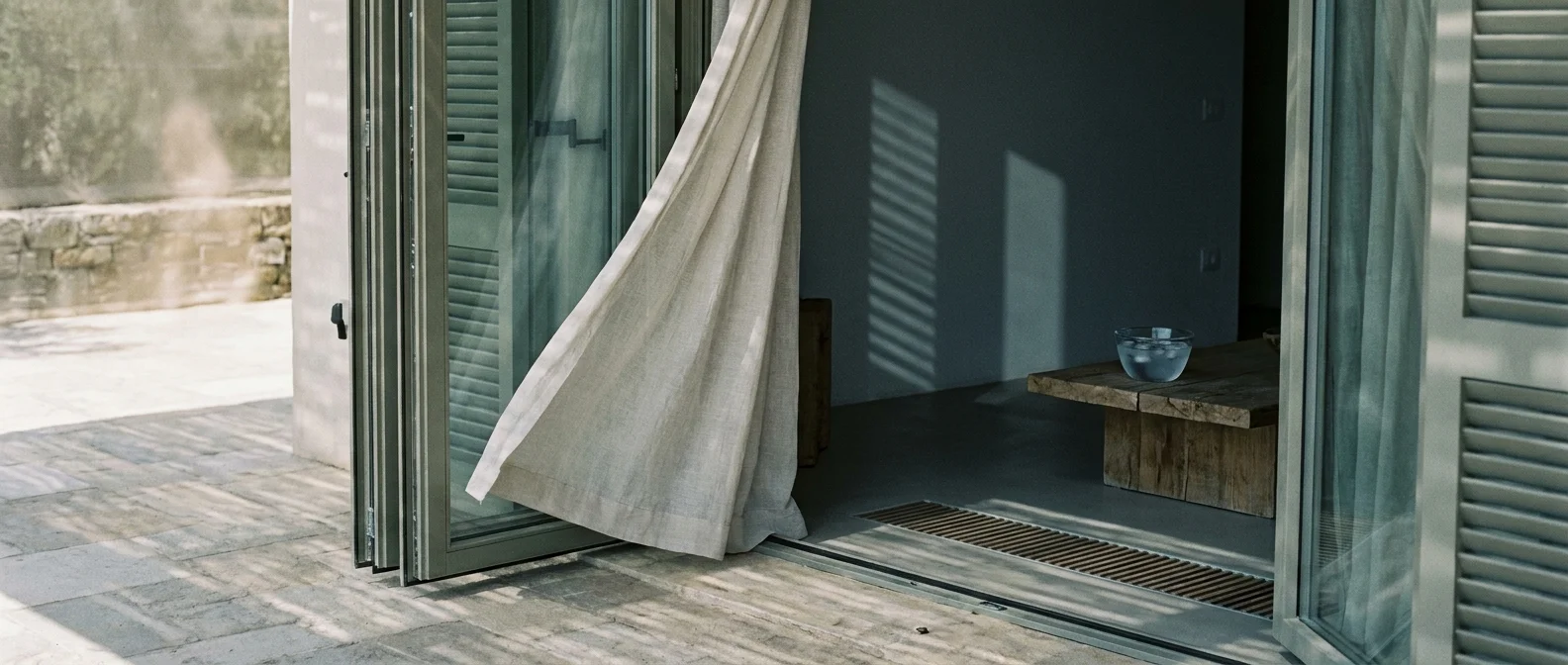
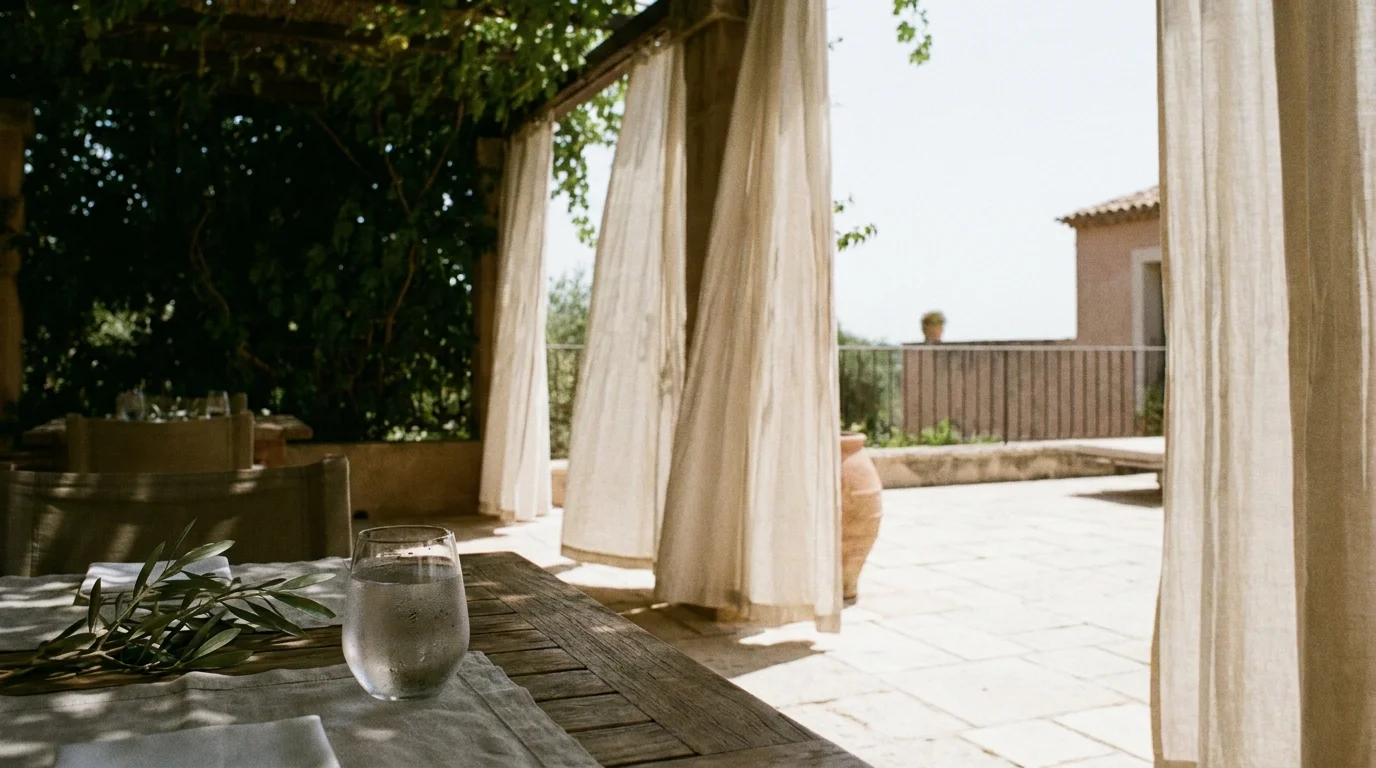
Of all climate risks, heat is the most merciless—because it is regular, measurable, immediate. You don’t need a grand catastrophe for a hotel to stop functioning elegantly. A series of hot nights is enough. In those moments, “hospitality” becomes physics. What matters is:shade at the window, before cooling ever starts;airtightness and insulation that hold onto night’s relief;materials that don’t radiate heat like a metal plate;energy and cooling control that prevents the house from entering panic mode (and getting loud);a daily rhythm that protects the body: lighter meals, adjusted service hours, dimmed light, no exposure to glare when the city is at its worst. The best houses don’t pretend the heat isn’t there. They make sure the heat never becomes a problem. This is the first paradox of climate in a hotel: the more extreme the world, the more comfort stops being aesthetics and becomes unnoticed competence.
Industry quote: “On the climate change, we do have assessment of the risk nature that we do every year.” — Sébastien Bazin, CEO Accor (2025)
Water: the subject nobody wants at the dinner table
In southern Europe, on islands, in places under seasonal pressure, water is not just a resource. It is social tension. Guests think about it—even if they don’t want to. In this domain, “climate concierge” is not about asking for shorter showers. It’s about ensuring the hotel is:less dependent on a single source;more precise in detecting losses;smarter in the laundry (where more water can disappear than in guest rooms);more careful with gardens and pools—not by removing them, but by changing the logic of maintenance. Water is difficult because it touches the blunt question: does this house have the right to be here? And if it is here—can it live in a way that doesn’t displace life around it? This is the second paradox: true resilience does not end at the walls. If a hotel becomes a solitary island of comfort against a drying landscape, its “luxury” begins to sound like dissonance.
Smoke, fires, air: a new definition of cleanliness
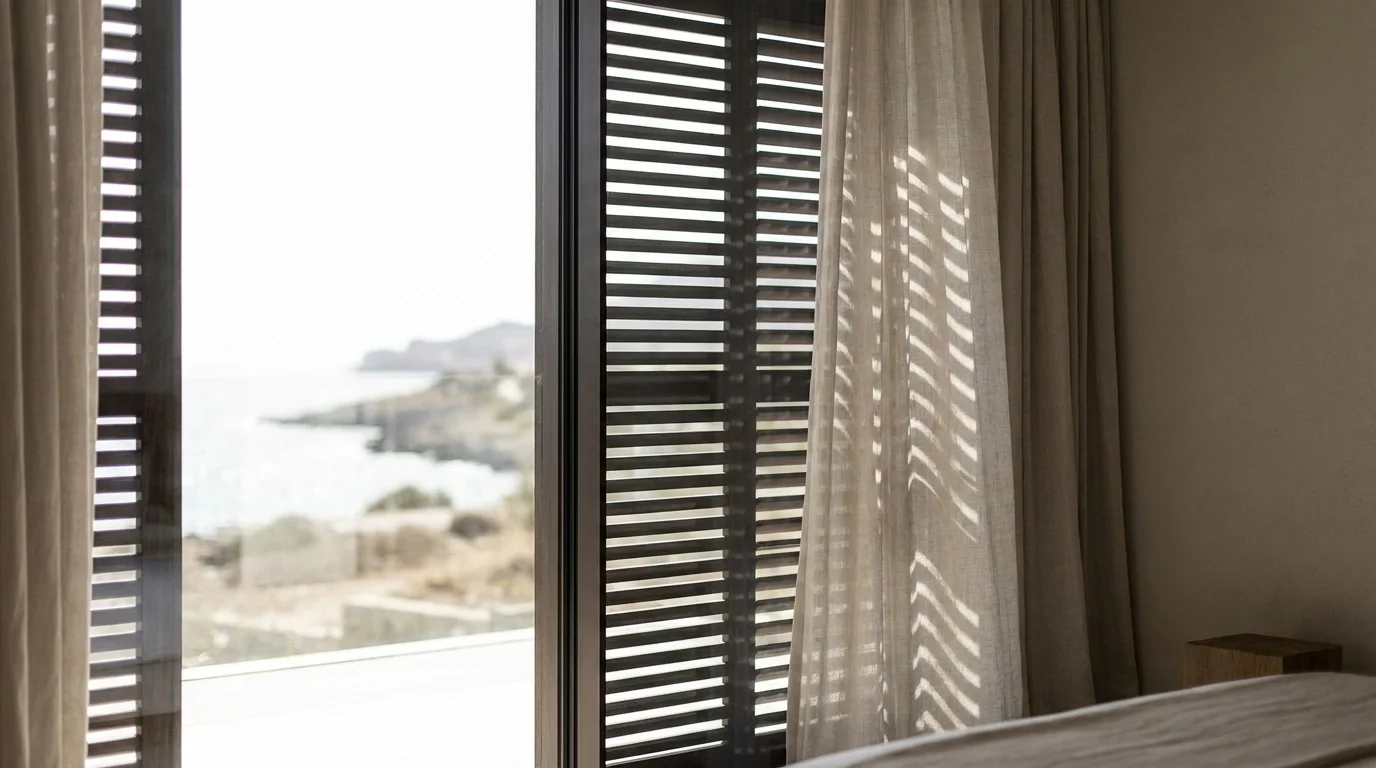
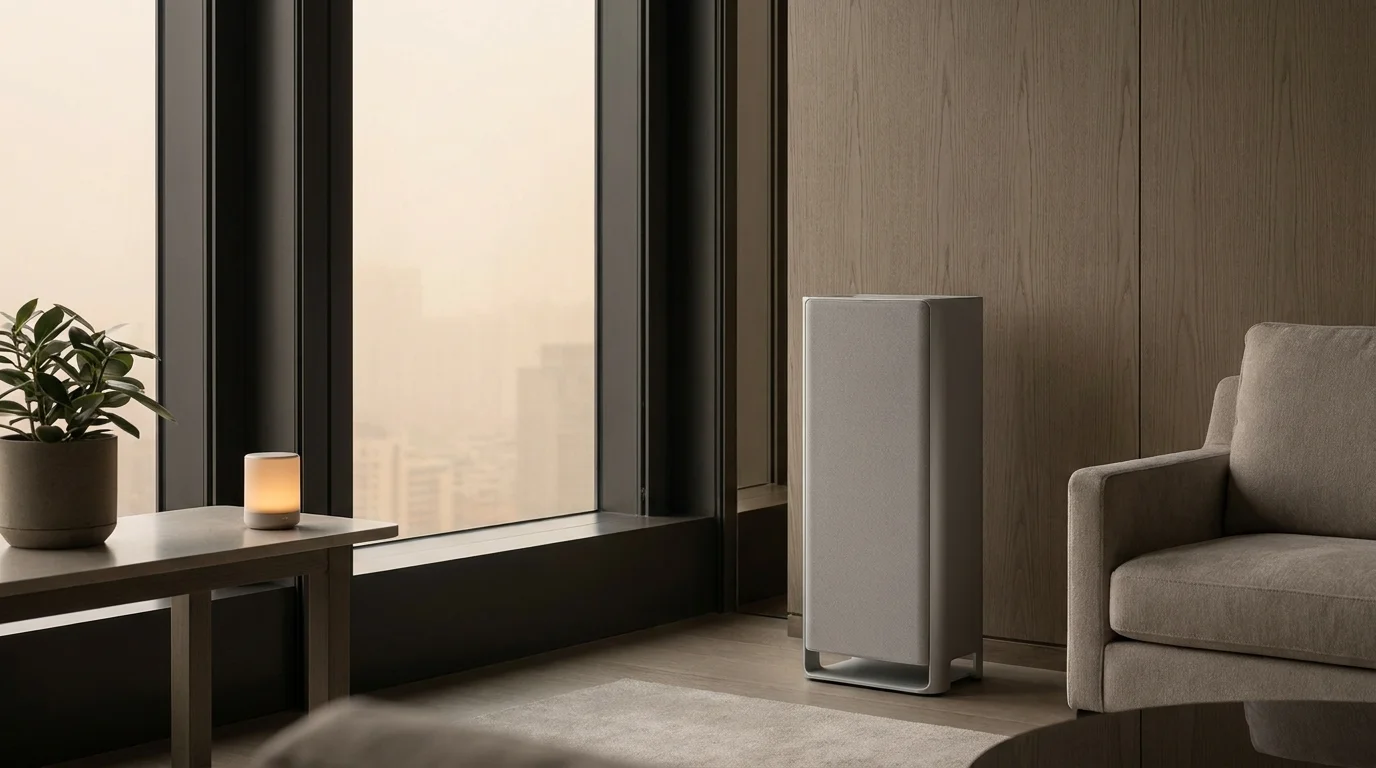
In places where summer begins to smell like burning, the quality of a stay no longer depends on the view. It depends on the air. Here, the climate concierge takes a simple but demanding form: keep the interior as a breathing zone. That means filtration, airtightness, monitoring, and a plan for days when the terrace stops being a terrace and becomes a risk. There’s no drama in it. There is logistics. In hotels that do this well, guests learn what’s happening in one sentence—and in that same sentence, they receive a solution: where to sit, what will operate, what they don’t need to do. Guests don’t need heroism. They need predictability.
Coasts: the most desirable addresses enter the era of the bill
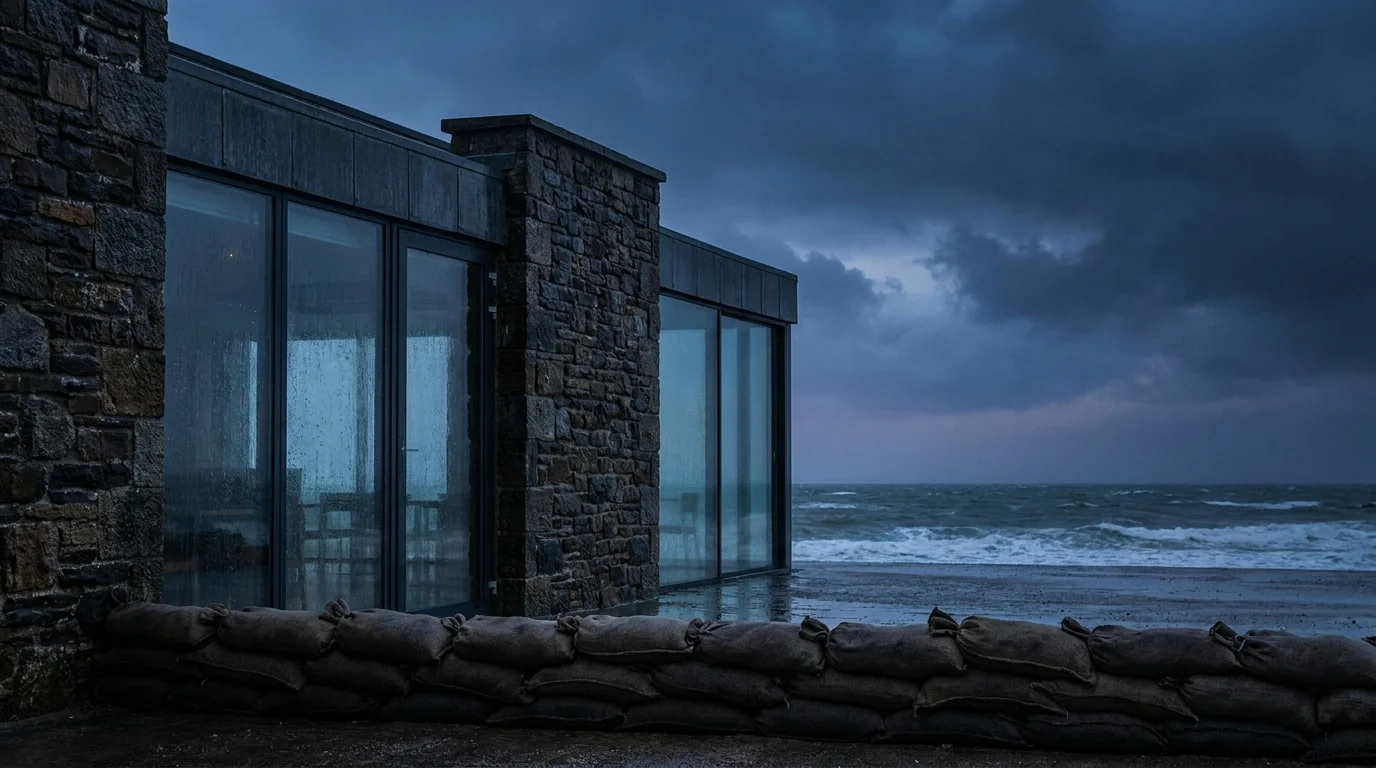
Seaside hotels have always worked on the imagination because they promised horizon—something that doesn’t end. But today, what “doesn’t end” in the distance becomes risk: storms, sea-level rise, erosion, damp that eats a building from within. In this part of the world, the climate concierge is often less romantic than we might want: elevated systems, water‑resistant materials, barriers, evacuation procedures, a seasonal plan that can be cut short. And one more thing: insurance. This is the moment when climate stops being a conversation about values and becomes a conversation about money. If an asset sits in a risk zone, the bill arrives in the premium. And when the premium rises, a hotel must answer: does it adapt, does it change its model, does it raise prices, does it stop pretending it is “eternal.”
Industry quote: “[The hotel industry has] to deal with both the physical location of their buildings, customer preference when it comes to visiting an area impacted by climate change, and just the inescapable fact that coastlines will be affected.” — Paula DiPerna, Special Advisor to CDP North America (2019)
Language: how to speak about a changing world without ruining the stayThe worst hotel communication in 2026 looks like this: a request for sacrifice wrapped in a moral narrative that soothes the property’s conscience, not the guest’s comfort. The best looks like the opposite: calm tone, specifics, no theatre. “On these days, we serve dinner an hour later, when temperatures drop. The terrace will open from 8:30 p.m. In the lobby, we keep the light cooler. If you prefer a shorter route from the car, we’ll arrange it so you don’t have to stand in the sun.” This is the language of care, not the language of a program. In this layer, the climate concierge is close to what old, good hotels have always done: understand that a guest shouldn’t have to ask twice—especially not about the things that live in the body: sleep, breath, temperature, water.
Quiet resilience as the new standard
In industry discussions, it’s easy to fall into two extremes: pretend nothing is happening, or build a narrative of catastrophe. Hotels that endure will choose a third way: quiet resilience. They will make fewer spectacular promises and more competent ones. Less “experience,” more conditions in which experience can happen at all. That will require money, decisions, discipline. In return, it offers what guests increasingly want: the certainty that a stay won’t fall apart under the pressure of the world. And perhaps this is the most honest definition of hospitality now: not to add another attraction to life, but to preserve a portion of calm within it—even if outside the air trembles with heat.
Place anchor: In a world that accelerates and warms at the same time, the best hotels will look unchanged—only because someone inside treats climate as part of service, not a campaign theme.