Geography of Belonging™
Destinations
Places that belong to those who arrive quietly. Mapped not by distance — but by intention.
We do not write travel guides. We write about places the way one remembers them — through a scent, a sound at dawn, the colour of the stone at a particular hour. Every destination here has passed a single test: we returned to it, unbidden.
Geography is not about where you go. It is about where you are already expected.
Mediterranean
Where the light is an argument for staying.
.webp)
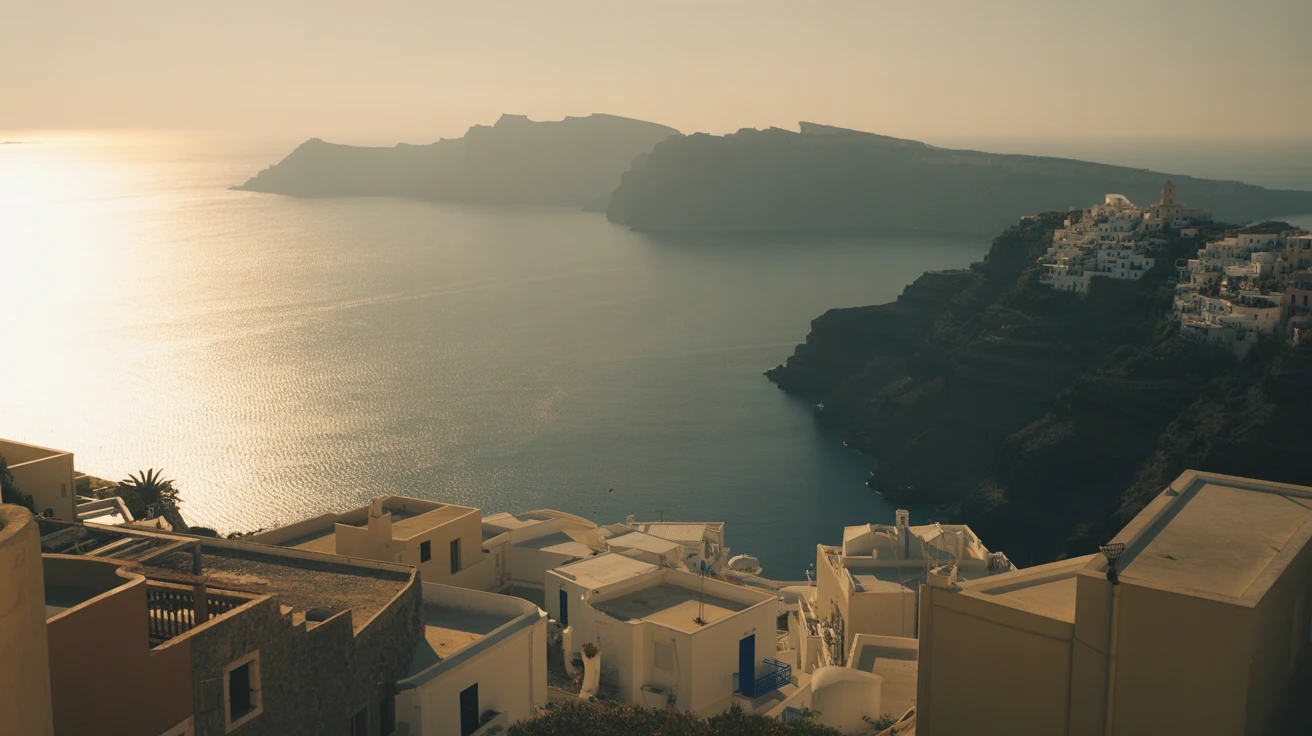
On the eastern Peloponnese, between a villa, a sheltered bay and a short crossing to Spetses, Porto Heli is shaping a new language of Greek summer: private, logistically fluent, and increasingly desired.
Porto Heli: Greece for Those Who Do Not Need to Be Seen
Porto Heli is not the Greek answer to Mykonos. It is the correction: less spectacle, more control; less public summer, more private rhythm.
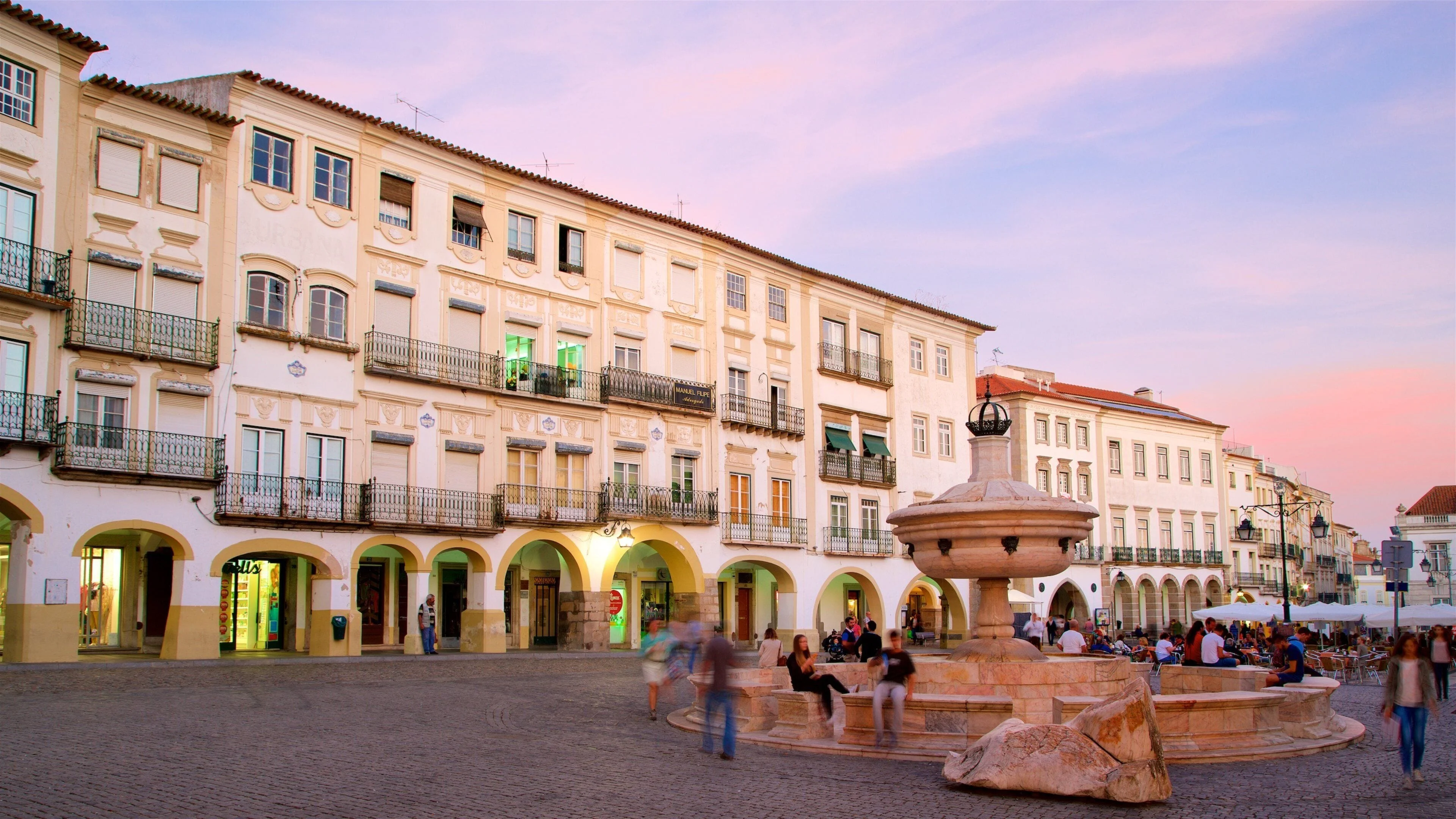
A Roman city that never stopped being Roman.
Évora, Portugal
The aqueduct enters the city as if it owns it. The bones in the chapel have been waiting since the sixteenth century. Évora asks nothing of you — except that you arrive slowly.
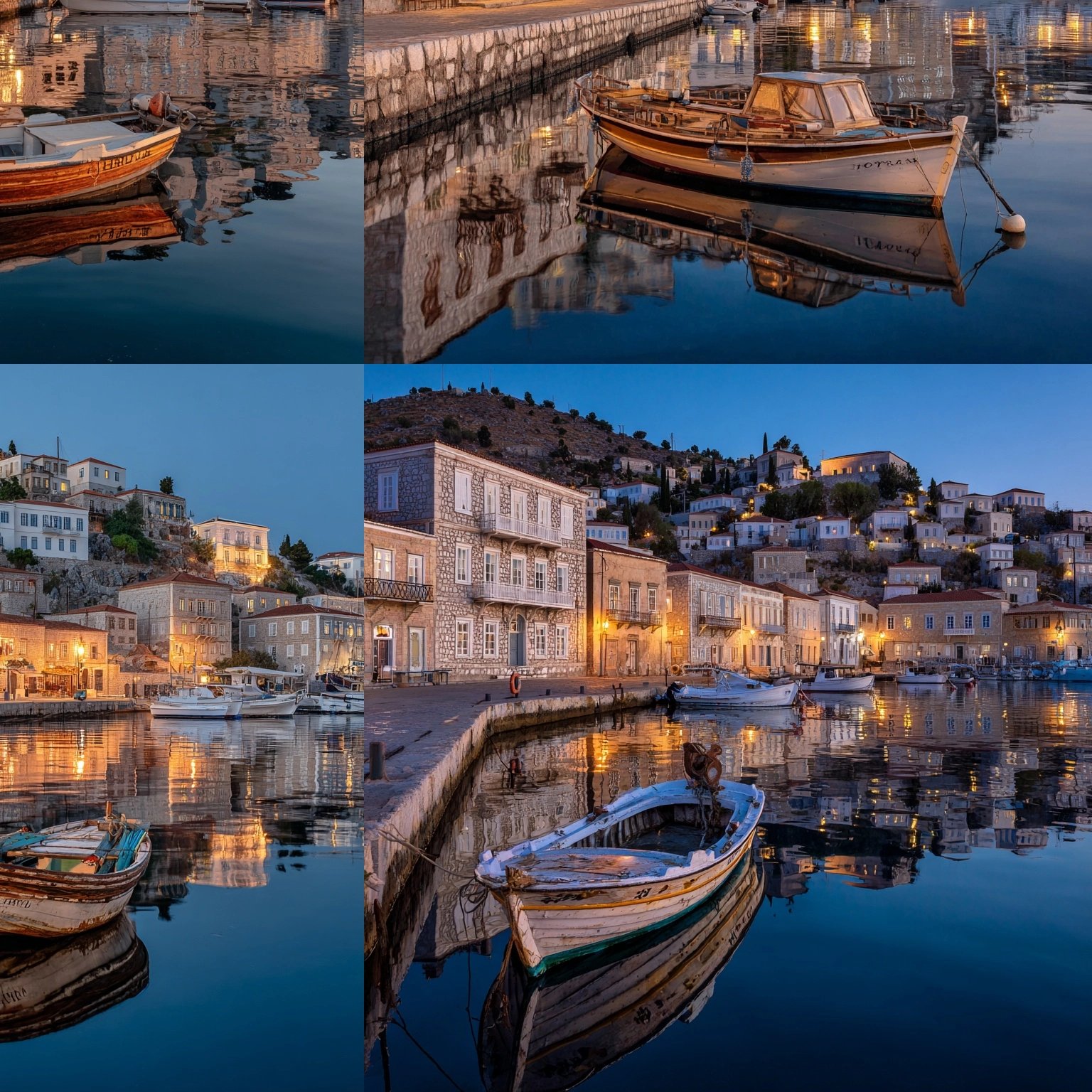
The island that chose to wait
Hydra, Greece
No cars. No engines. Only stone, donkeys, and the particular silence of an island that decided, decades ago, to stay exactly as it was.

Balearics: Food and Ritual
In the Balearics, the ritual precedes the first taste: coffee in the shade, bread with oil, the market in the cool air, a pause within the light, and small plates as evening descends.
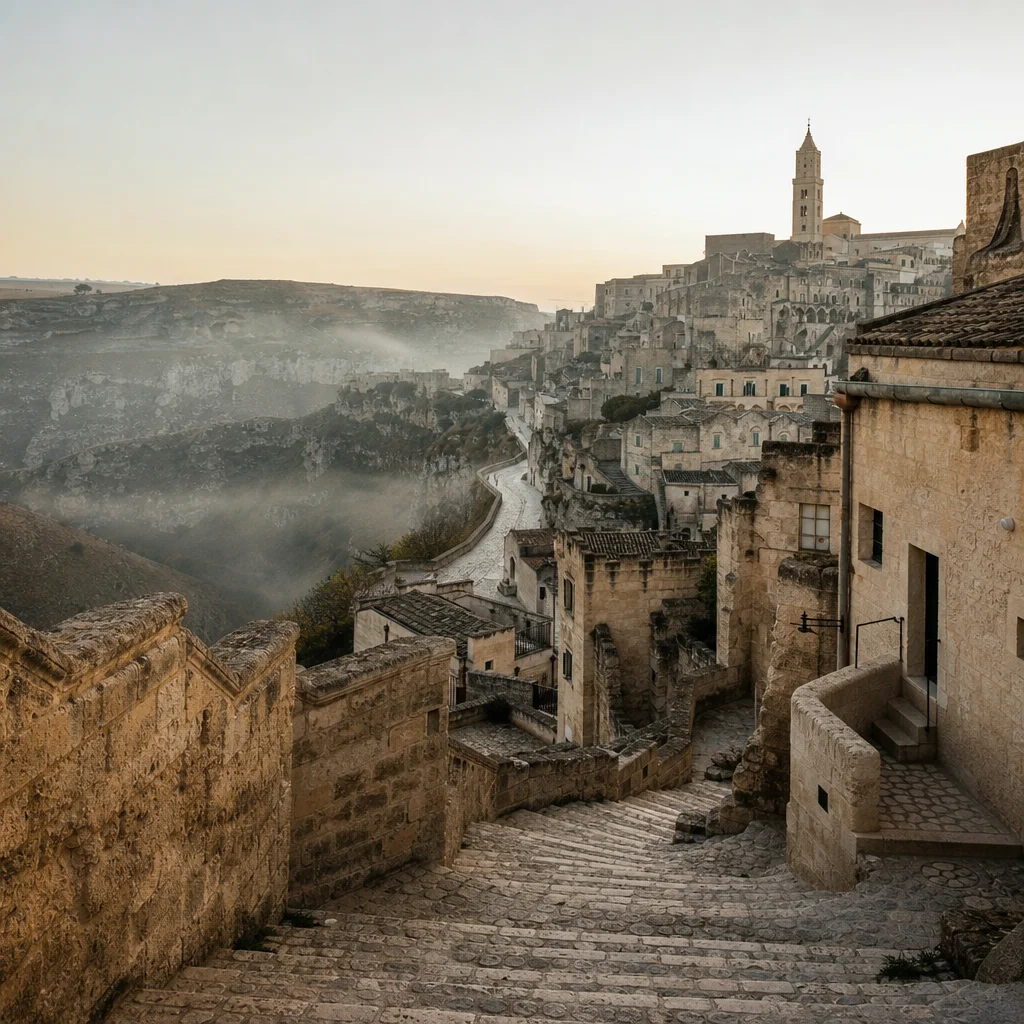
Matera, Italy
This room remains closed.
Northern Europe
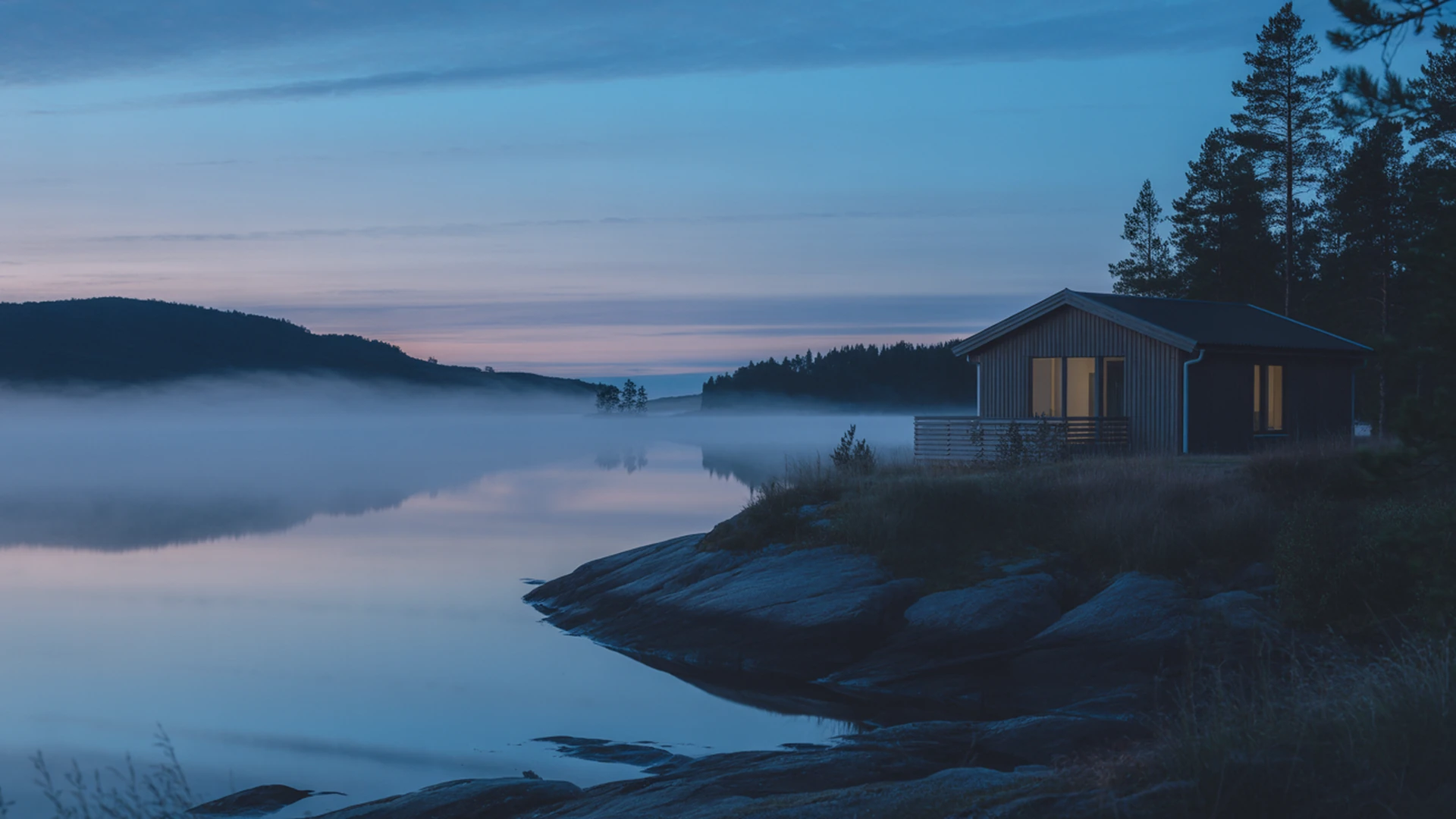
Silence, design, and forests that think.
Asia Pacific
Precision and ceremony. Tea before business.
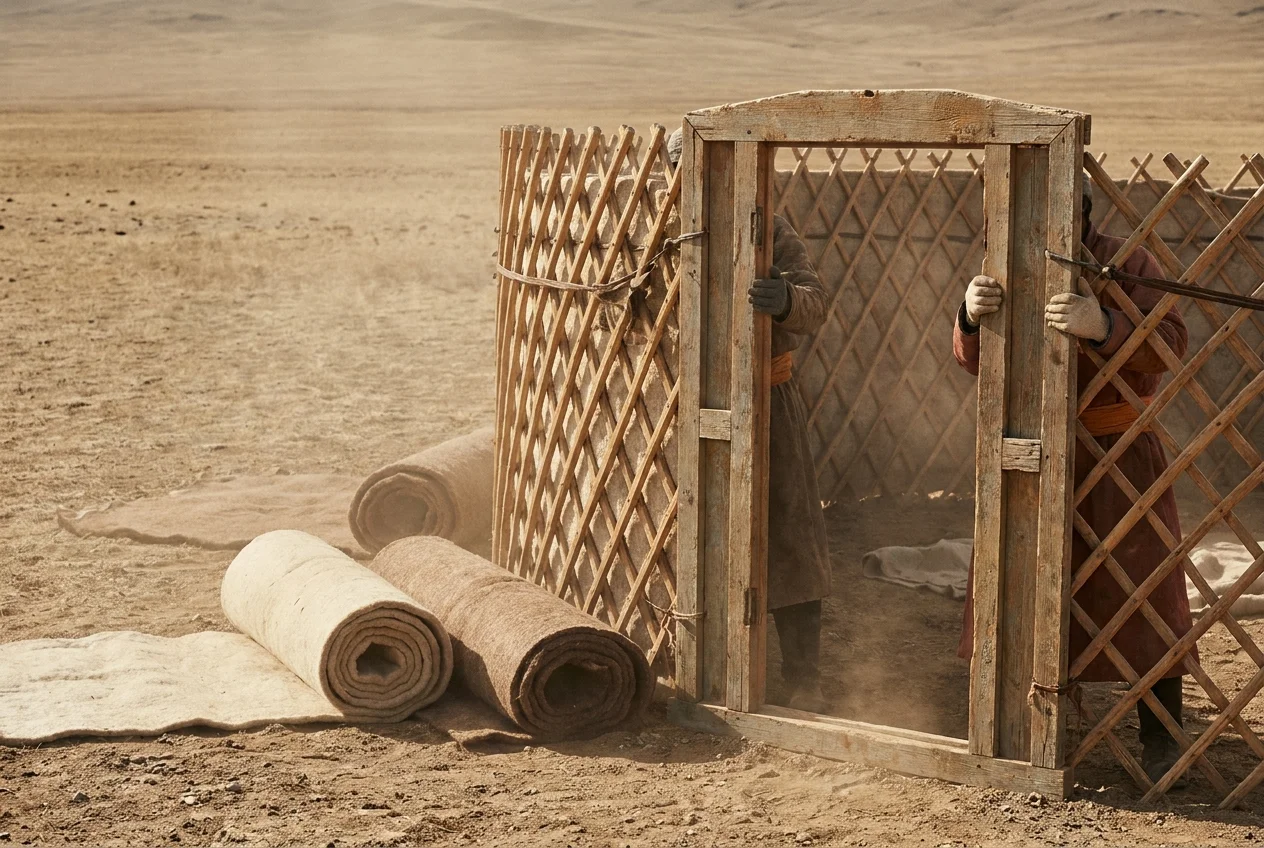
In Mongolia, a portable home, a climate-exposed supply chain and a new generation of luxury traceability reveal the same business truth: value endures only when the system that creates it can endure too.
Modern Nomads of the Gobi — The Price of Belonging
In Mongolia, a portable home, a climate-exposed cashmere supply chain and a new generation of luxury traceability reveal the same truth: value endures only when the system that creates it can endure too.
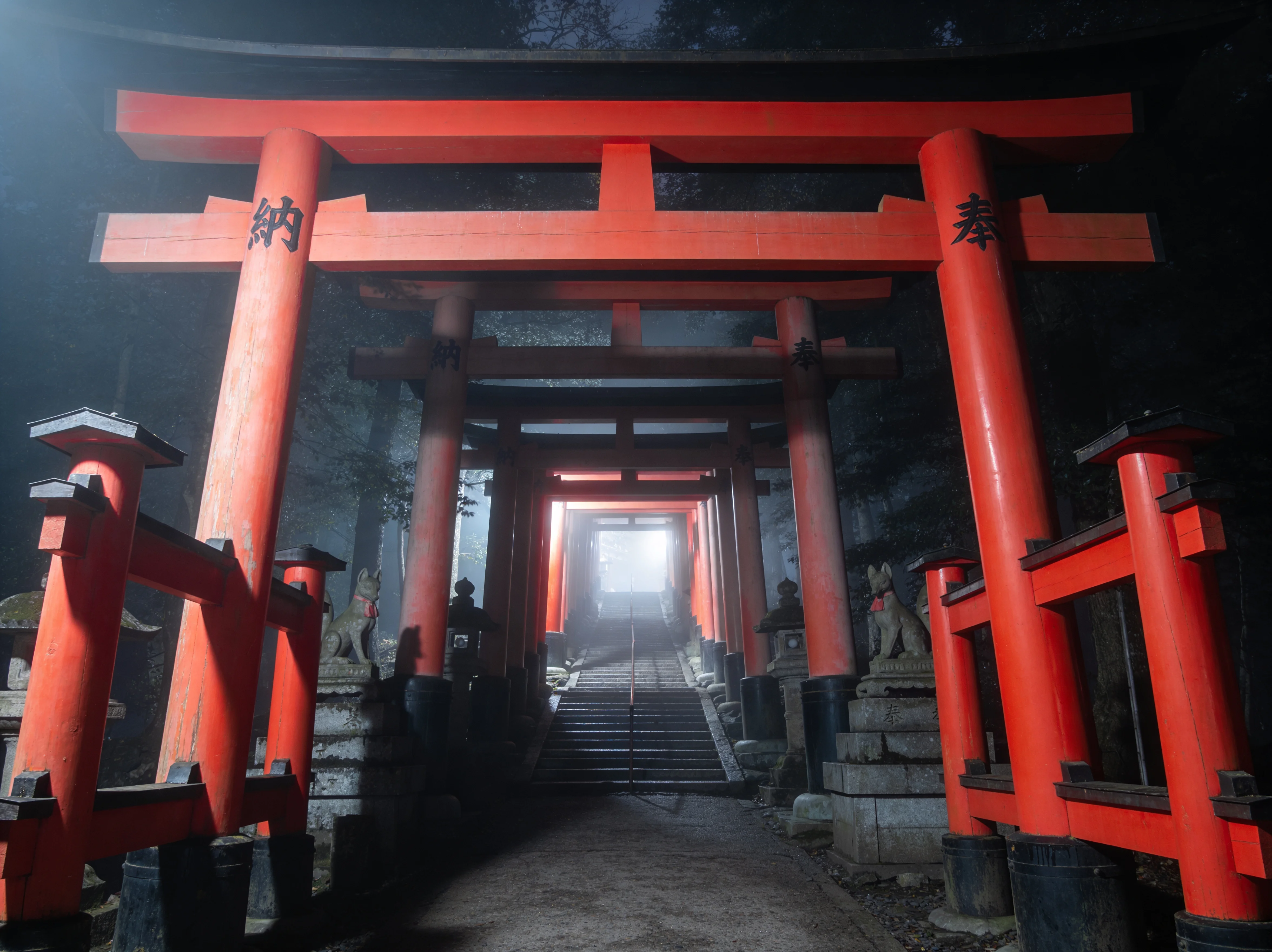
Kyoto — Fushimi Off Season
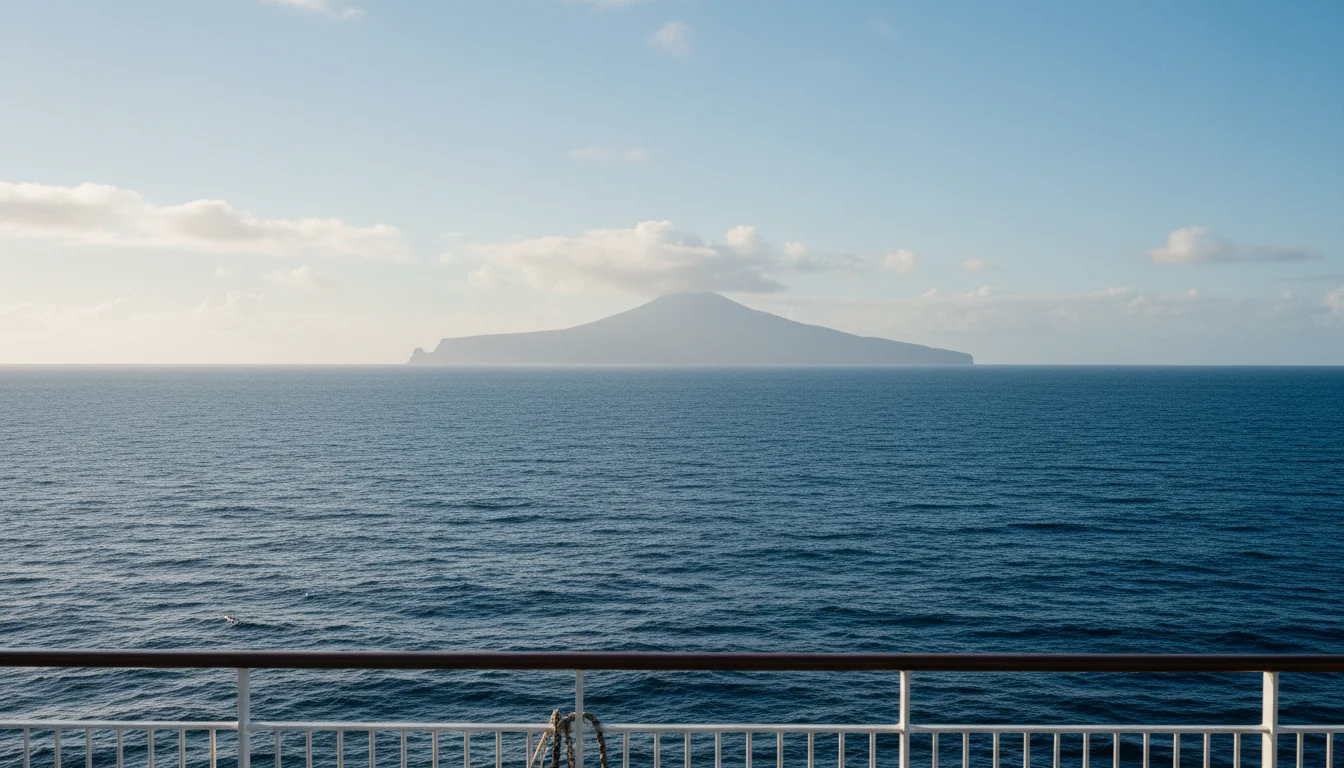
A Ilha Azul — a port town, an ash field, and a crater forest
Faial, Azores
Faial does not perform. It accumulates — murals on a harbour wall, ash against a buried lighthouse, cloud inside a crater, water that tastes of nothing and seasons that arrive quietly.
Middle East
Desert hospitality — the oldest code.
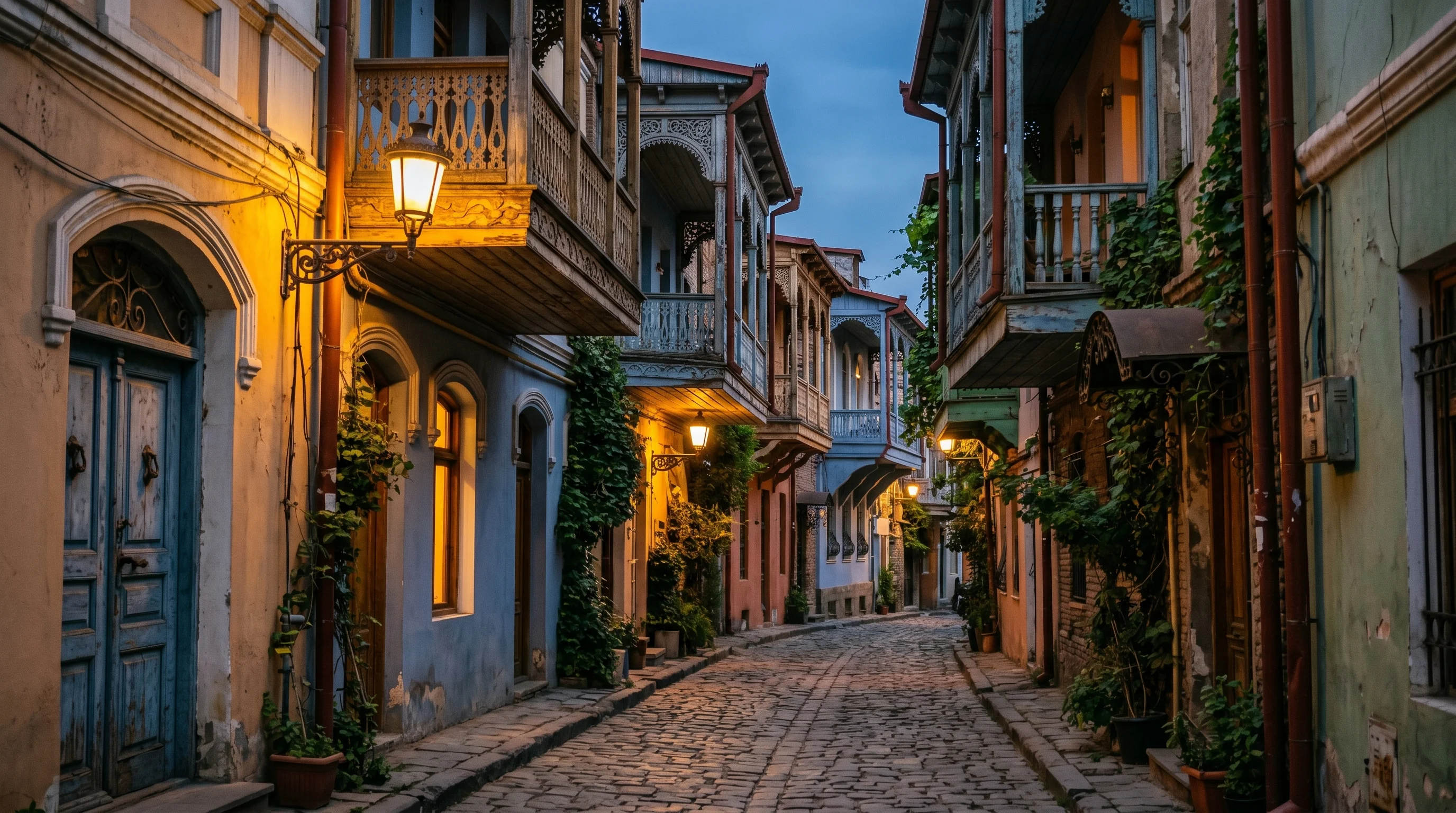
Warmth as architecture.
Tbilisi, Georgia
Old Tbilisi — balconies, vines on stone facades, sulphur baths. Hospitality as an urban principle.
ReadAmericas
Vastness measured in intention, not mileage.
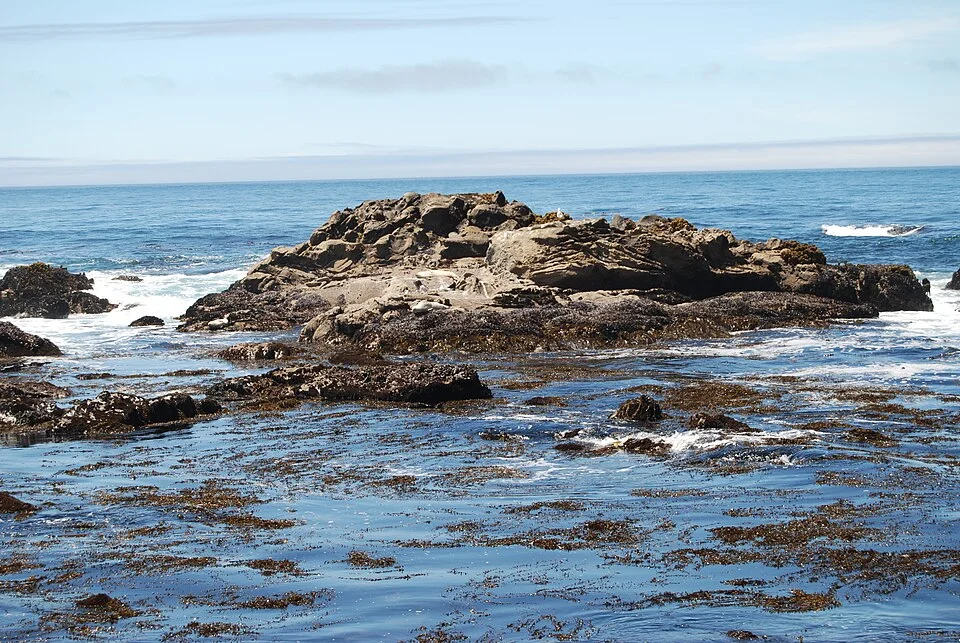
The Acoustics of Salt: How Coastal Houses Edit the Sound of the Sea
The sea is never silent. It arrives as pressure, rhythm, vibration and weather. At Navy Beach, a house by Bates Masi Architects in Montauk, architecture does not simply frame the water. It edits its sound. Concrete walls, in places up to two feet thick, are pressed into the hillside. Above them, a lighter volume is built in layers: wood, an exterior screen, an inner wall hung on vibration-isolation clips. A pool runs along the upper edge of the masonry. Water falls continuously. The sound does not erase the railway. It gives the ear another fact to hold. A house that admits everything calls its generosity freedom. Often it is only a failure to decide. The coast does not need to be brought indoors in its entirety. It is already too large for that. The architecture must edit it before the body can receive it.

The Architecture of Darkness: Atacama After the Last Light
At sunset, a blackout curtain unfolds beneath a thirty-five-metre dome on a Chilean mountaintop. It moves without sound. No one watches it close. Its purpose is not to keep something out, but to keep something in: the light of human habitation, which here, at 2,635 metres above the driest ground on Earth, would constitute a form of trespass.
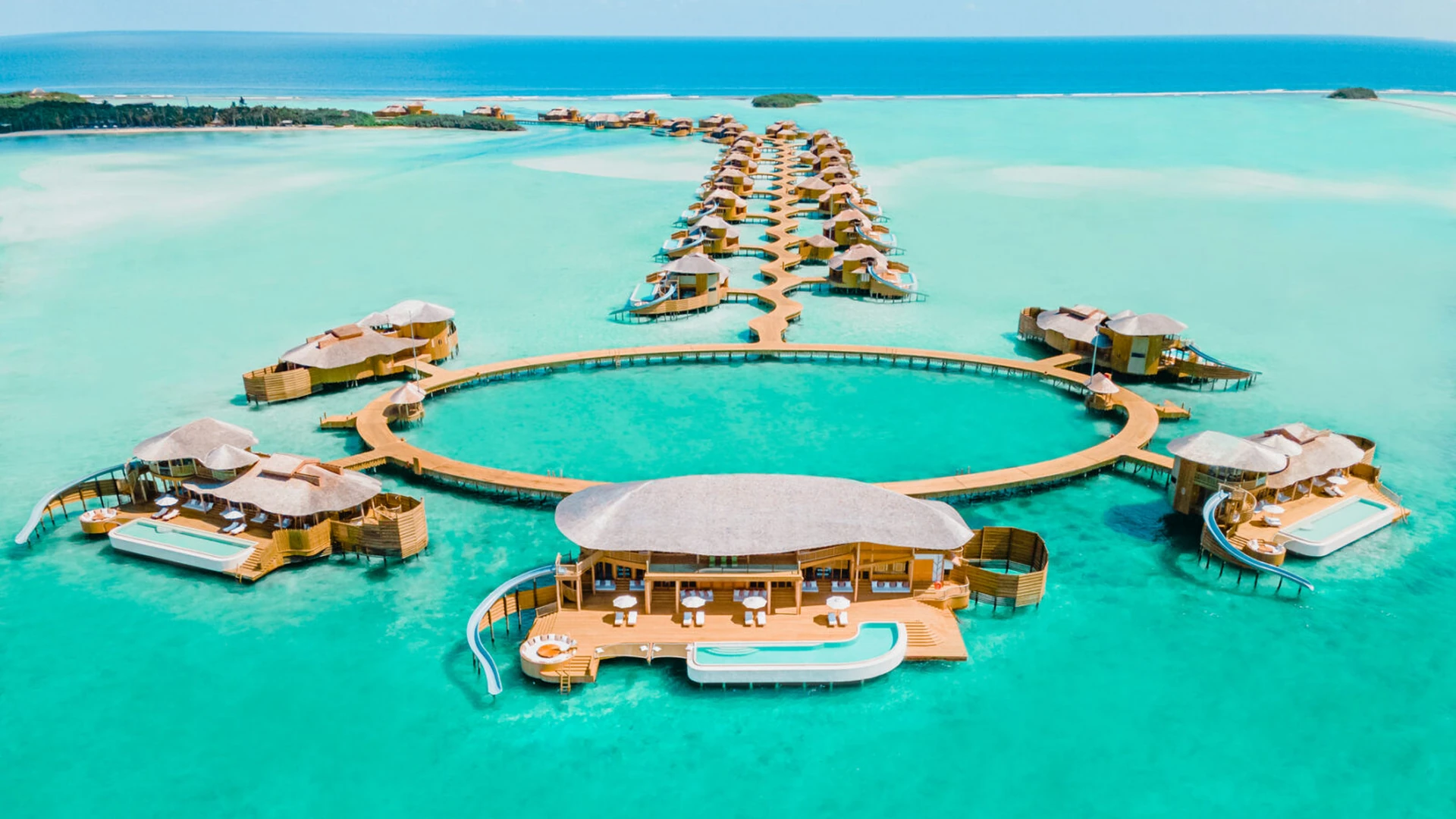
This room remains closed.
Indian Ocean
Islands where time is counted in tides.
Meanwhile, explore the places already in our atlas.
Geography of Belonging™